THE ADVENTURE COLLECTIVE® · Independent discovery and booking for outdoor travel

Spend a private day in rural Hiroshima at a 200‑year‑old farmhouse: hands‑on cooking, a private matcha ceremony, and a guided walk through a moss garden. Ideal for travelers who want an authentic, low‑impact cultural and nature experience.
Spend a private day in rural Hiroshima at a 200‑year‑old farmhouse: hands‑on cooking, a private matcha ceremony, and a guided walk through a moss garden. Ideal for travelers who want an authentic, low‑impact cultural and nature experience.
You step off a quiet bus and follow a narrow path where the river dares you to slow down. The air here is cool and damp; moss carpets the garden in several shades of green and the creak of an old wooden gate announces a house that has watched seasons pass for two centuries.
Verified experiences and guided adventures in the surrounding area.
Operated by Naomy’s tour · Hiroshima, Hiroshima Prefecture
You step off a quiet bus and follow a narrow path where the river dares you to slow down. The air here is cool and damp; moss carpets the garden in several shades of green and the creak of an old wooden gate announces a house that has watched seasons pass for two centuries.
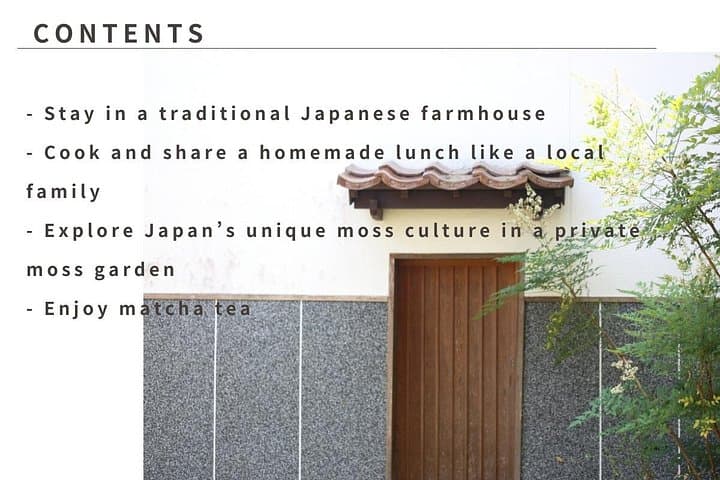
This private day trip begins at JR Kabe Station and moves inland into Asakita’s agricultural valleys—land shaped by volcanic soils and centuries of rice cultivation. The 200-year-old farmhouse reflects Edo-period carpentry: exposed beams, earthen walls, and tatami floors that still hold the warmth of human life. Moss in Japan carries cultural weight; gardeners have cared for these fragile carpets for generations, and the region showcases many species adapted to shaded, humid microclimates.
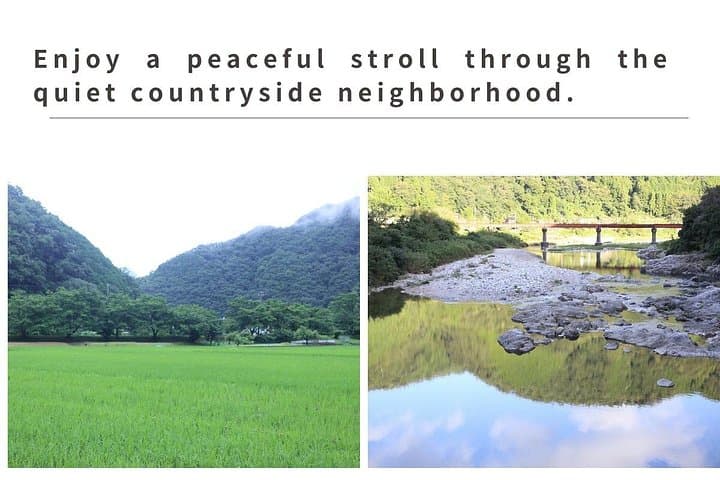
Culturally, the visit mixes “sato” (village life) hospitality with the formal calm of a tea ceremony. Your certified guide will demonstrate whisking matcha, explain etiquette, and invite you into hands-on cooking using vegetables from the garden. Short walks to a nearby river or forest let you read the landscape—rice paddies, riparian stones, and mossy banks—rather than just look at it.
Practical notes: plan for a 6–7 hour outing with about an hour on local buses and easy walking on uneven paths. Remove shoes for tatami rooms, wear sturdy slip-on shoes for quick off-foot transitions, and bring a light layer—mornings in the valley are cool. Hydrate before the ceremony, and keep phones on low volume; the experience is built around quiet observation. This is a slow, sensory day: expect to learn, taste, and leave with a clearer sense of rural Hiroshima’s rhythms.
Meet at JR Kabe Station; the host arranges a scenic one‑hour bus ride and a short walk to the farmhouse—confirm exact pickup details when booking.
Yes. The ceremony is private and guided; hosts explain etiquette and let guests experience whisking and tasting at an easy pace.
The host cooks a home‑style lunch with local ingredients; disclose allergies or preferences at booking so they can accommodate where possible.
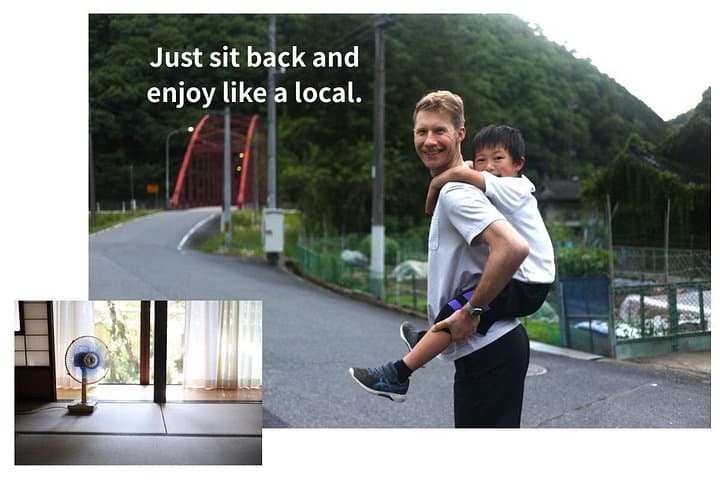
Yes—this tour is family‑friendly with easy walking; note that tatami rooms and uneven outdoor areas require supervision.
Naomy’s tour operates guided outdoor trips and adventures with an emphasis on safety, stewardship, and memorable experiences.
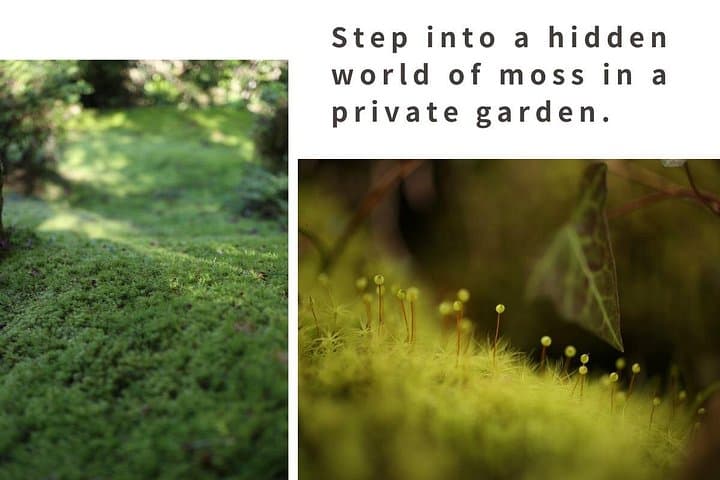
You step off a quiet bus and follow a narrow path where the river dares you to slow down. The air here is cool and damp; moss carpets the garden in several shades of green and the creak of an old wooden gate announces a house that has watched seasons pass for two centuries.
You step off a quiet bus and follow a narrow path where the river dares you to slow down. The air here is cool and damp; moss carpets the garden in several shades of green and the creak of an old wooden gate announces a house that has watched seasons pass for two centuries.
This private day trip begins at JR Kabe Station and moves inland into Asakita’s agricultural valleys—land shaped by volcanic soils and centuries of rice cultivation. The 200-year-old farmhouse reflects Edo-period carpentry: exposed beams, earthen walls, and tatami floors that still hold the warmth of human life. Moss in Japan carries cultural weight; gardeners have cared for these fragile carpets for generations, and the region showcases many species adapted to shaded, humid microclimates.
Culturally, the visit mixes “sato” (village life) hospitality with the formal calm of a tea ceremony. Your certified guide will demonstrate whisking matcha, explain etiquette, and invite you into hands-on cooking using vegetables from the garden. Short walks to a nearby river or forest let you read the landscape—rice paddies, riparian stones, and mossy banks—rather than just look at it.
Practical notes: plan for a 6–7 hour outing with about an hour on local buses and easy walking on uneven paths. Remove shoes for tatami rooms, wear sturdy slip-on shoes for quick off-foot transitions, and bring a light layer—mornings in the valley are cool. Hydrate before the ceremony, and keep phones on low volume; the experience is built around quiet observation. This is a slow, sensory day: expect to learn, taste, and leave with a clearer sense of rural Hiroshima’s rhythms.