THE ADVENTURE COLLECTIVE® · Independent discovery and booking for outdoor travel

Start before sunrise and follow jungle tracks to cenote rims where endemic and migratory birds gather. This six-hour guided tour from Playa del Carmen pairs short trail hikes with targeted stops to see more than 30 species in the Ruta de los Cenotes area.
Start before sunrise and follow jungle tracks to cenote rims where endemic and migratory birds gather. This six-hour guided tour from Playa del Carmen pairs short trail hikes with targeted stops to see more than 30 species in the Ruta de los Cenotes area.
Dawn breaks over a spongy, humid understory and the trail ahead hums with call notes—sharp chips, rattling wings and the metallic tap of woodpeckers. The guide meets the group at Playa del Carmen’s 30th Avenue Walmart before a short transfer to Ruta de los Cenotes, where the walk threads jungle tracks and skirted sinkholes, each cenote rim a sharp contrast of open water and dense foliage.
Verified experiences and guided adventures in the surrounding area.
Operated by Contoy Excursions · Puerto Morelos, Quintana Roo
Dawn breaks over a spongy, humid understory and the trail ahead hums with call notes—sharp chips, rattling wings and the metallic tap of woodpeckers. The guide meets the group at Playa del Carmen’s 30th Avenue Walmart before a short transfer to Ruta de los Cenotes, where the walk threads jungle tracks and skirted sinkholes, each cenote rim a sharp contrast of open water and dense foliage.
The Yucatán’s cenotes are product of a limestone plateau carved by millennia of groundwater; Maya communities prized these water-filled pits as both practical wells and ritual places, and the surrounding low forest still hosts many endemic birds. Geology creates microhabitats: shallow freshwater attracts waterbirds while the adjacent semi-deciduous forest supports migrants and residents alike. Local guides know seasonal movements—scarlet-rumped tanagers and Yucatán jays in the canopy, warblers on migration.
Expect steady walking on uneven jungle trails with short climbs and shade punctuated by sudden sunlit openings over cenotes. The tour schedules two brief refreshment breaks; bring water and lightweight snacks. Binoculars and a field guide sharpen the experience, but comfortable closed-toe shoes and insect protection matter more for sustained observation.
Timing is practical—early morning bird activity, then a return by late morning when the heat builds. Communicate target species ahead of time so the guide can prioritize spots. Respect private paths and cenote edges, avoid sunscreen or lotions before stepping into freshwater, and leave no trace. This is a hands-on, guided introduction to Riviera Maya birding that pairs geology, culture and tactile fieldwork for curious observers.
Meet at the Walmart parking area on 30th Avenue in Playa del Carmen; transfers to Ruta de los Cenotes are included.
Guides typically spot over 30 species on a good morning, including resident endemics and migratory warblers.
Participants should have moderate fitness and be able to walk on uneven ground; it’s not recommended for those with serious mobility issues or spinal/heart conditions.
The tour starts around 6:00 AM to capitalize on peak morning bird activity and cooler temperatures, returning before midday heat increases.
Contoy Excursions operates guided outdoor trips and adventures with an emphasis on safety, stewardship, and memorable experiences.
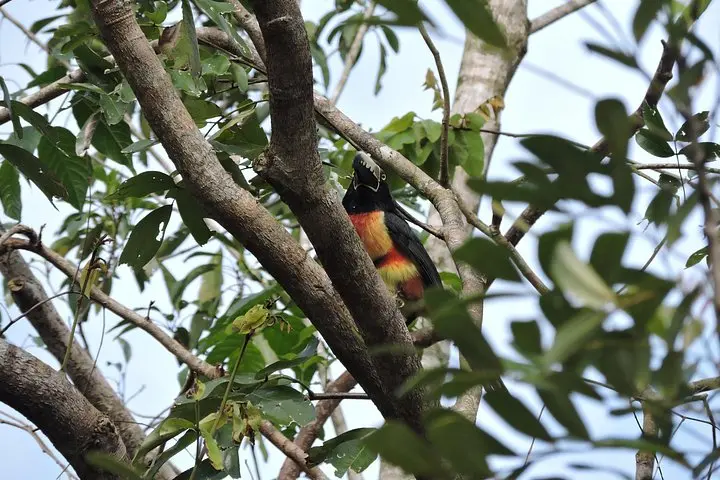
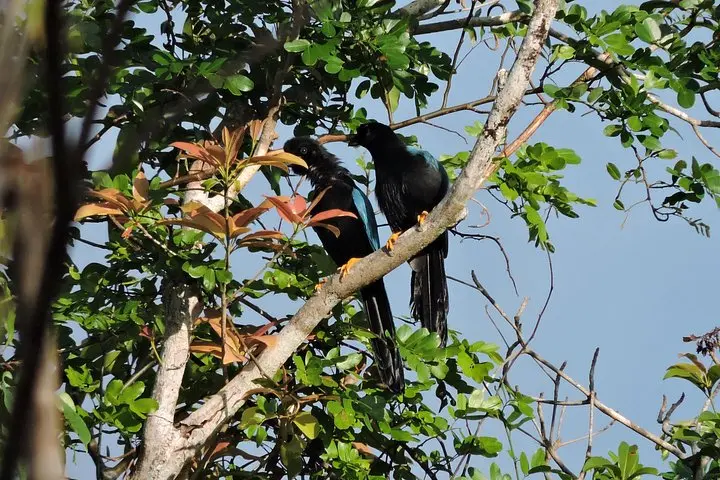
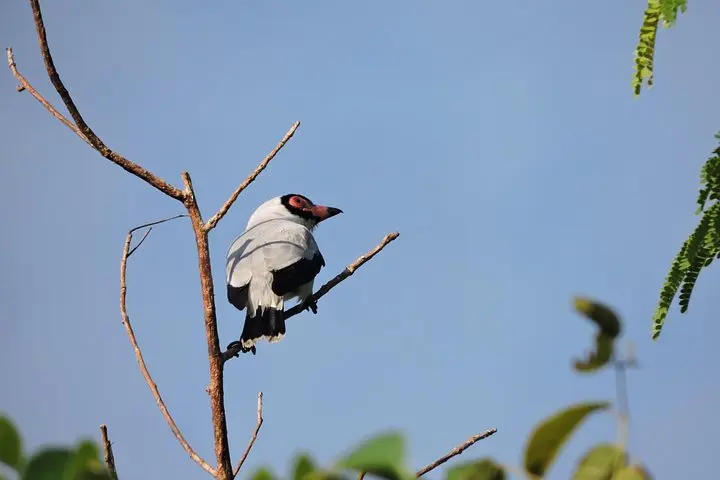
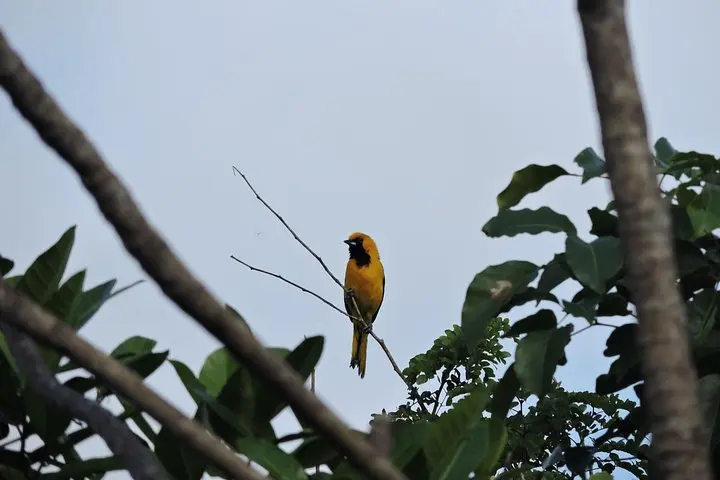
Dawn breaks over a spongy, humid understory and the trail ahead hums with call notes—sharp chips, rattling wings and the metallic tap of woodpeckers. The guide meets the group at Playa del Carmen’s 30th Avenue Walmart before a short transfer to Ruta de los Cenotes, where the walk threads jungle tracks and skirted sinkholes, each cenote rim a sharp contrast of open water and dense foliage.
Dawn breaks over a spongy, humid understory and the trail ahead hums with call notes—sharp chips, rattling wings and the metallic tap of woodpeckers. The guide meets the group at Playa del Carmen’s 30th Avenue Walmart before a short transfer to Ruta de los Cenotes, where the walk threads jungle tracks and skirted sinkholes, each cenote rim a sharp contrast of open water and dense foliage.
The Yucatán’s cenotes are product of a limestone plateau carved by millennia of groundwater; Maya communities prized these water-filled pits as both practical wells and ritual places, and the surrounding low forest still hosts many endemic birds. Geology creates microhabitats: shallow freshwater attracts waterbirds while the adjacent semi-deciduous forest supports migrants and residents alike. Local guides know seasonal movements—scarlet-rumped tanagers and Yucatán jays in the canopy, warblers on migration.
Expect steady walking on uneven jungle trails with short climbs and shade punctuated by sudden sunlit openings over cenotes. The tour schedules two brief refreshment breaks; bring water and lightweight snacks. Binoculars and a field guide sharpen the experience, but comfortable closed-toe shoes and insect protection matter more for sustained observation.
Timing is practical—early morning bird activity, then a return by late morning when the heat builds. Communicate target species ahead of time so the guide can prioritize spots. Respect private paths and cenote edges, avoid sunscreen or lotions before stepping into freshwater, and leave no trace. This is a hands-on, guided introduction to Riviera Maya birding that pairs geology, culture and tactile fieldwork for curious observers.