THE ADVENTURE COLLECTIVE® · Independent discovery and booking for outdoor travel

Two days of estuary cruising, birding, sea lion viewing and hands-on visits to salt pans and craft workshops around Salinas and Puerto El Morro. Ideal for travelers seeking accessible wildlife encounters and coastal culture.
Two days of estuary cruising, birding, sea lion viewing and hands-on visits to salt pans and craft workshops around Salinas and Puerto El Morro. Ideal for travelers seeking accessible wildlife encounters and coastal culture.
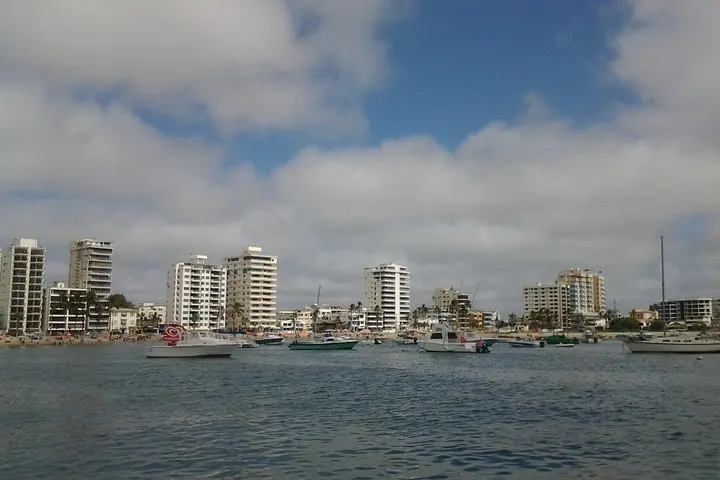
The boat slips away from Puerto El Morro at dawn and the estuary breathes around you — black mangrove roots grip the mud while white herons lift and fold like paper wings. In the slow churn of the engine, a pod of bottlenose dolphins threads the channel, surfacing in rapid, inquisitive arcs before the coastline opens to Salinas and the cliffs of La Chocolatera.
Verified experiences and guided adventures in the surrounding area.
Operated by Yamil Saman Cabrera · Salinas, Santa Elena
The boat slips away from Puerto El Morro at dawn and the estuary breathes around you — black mangrove roots grip the mud while white herons lift and fold like paper wings. In the slow churn of the engine, a pod of bottlenose dolphins threads the channel, surfacing in rapid, inquisitive arcs before the coastline opens to Salinas and the cliffs of La Chocolatera.
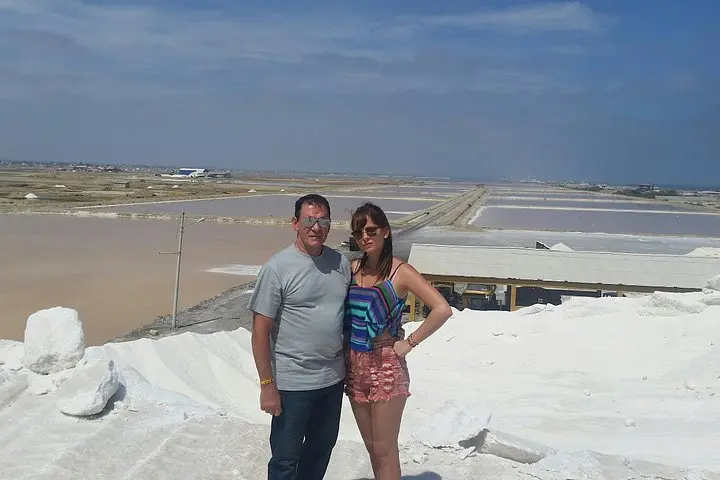
This corner of Ecuador's Santa Elena Peninsula has long been shaped by ocean currents and salt. Ancient upwelling carved the rocky headlands; mangrove stands formed natural nurseries that local communities later depended on for fishing and salt extraction. Salinas grew into a seaside town focused on marine harvest and craft traditions; today small workshops still make shell jewelry and salt miners continue a practice visible on the flats.
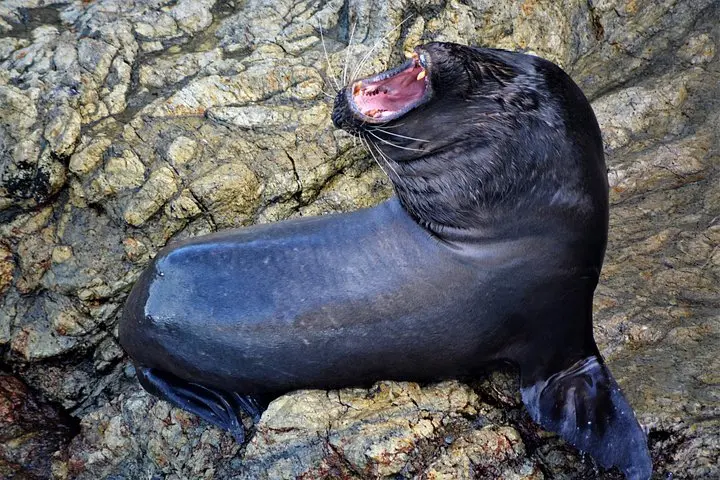
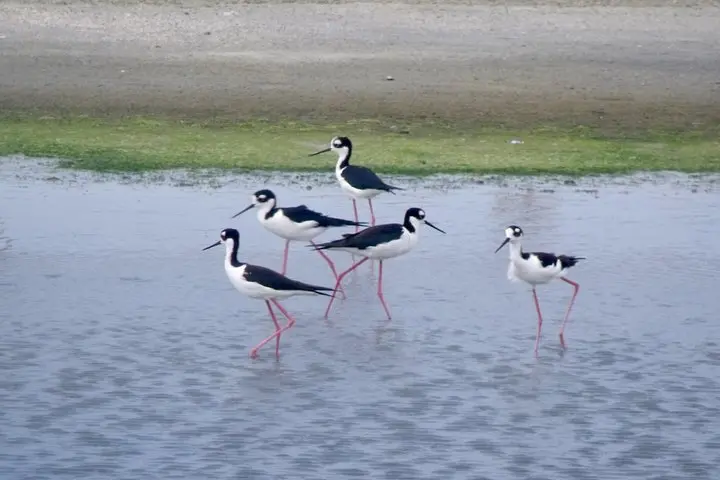
Expect a mix of light boat navigation, short coastal walks, and cultural stops over two days. Wildlife is the headline — migratory shorebirds and resident herons populate the estuary, while La Lobería shelters South American sea lions hauled out on rocky outcrops. The route balances observation with hands-on experiences: a one-hour fast-boat estuary cruise, a visit to salt pans, and time at a local craft workshop.
Practical notes: bring binoculars, reef-safe sunscreen, and a light windbreaker for morning and evening boat runs. Footwear should handle sandy beaches and uneven paths; carry water and protect electronics from spray. Morning departures avoid heat and often deliver the best wildlife sightings, while afternoons are ideal for crafts and salt-mine visits. This itinerary is low-impact and accessible to most travelers but plan for sun, salt spray, and brief bumpy rides on coastal water.
The tour departs from Guayaquil with private ground transfer to Puerto El Morro; pickup point is arranged at booking and private transport is included.
Walking is light — short beach and salt-pan paths; suitable for children when accompanied by an adult, and infant strollers are usable in some areas.
Wildlife sightings are common — bottlenose dolphins and South American sea lions are regularly seen, but wildlife cannot be guaranteed on every trip.
Includes private transportation, a naturalist guide, two breakfasts, one night 3-star accommodation, a one-hour-plus estuary boat ride, park/landing fees, and a typical appetizer.
Yamil Saman Cabrera operates guided outdoor trips and adventures with an emphasis on safety, stewardship, and memorable experiences.
The boat slips away from Puerto El Morro at dawn and the estuary breathes around you — black mangrove roots grip the mud while white herons lift and fold like paper wings. In the slow churn of the engine, a pod of bottlenose dolphins threads the channel, surfacing in rapid, inquisitive arcs before the coastline opens to Salinas and the cliffs of La Chocolatera.
The boat slips away from Puerto El Morro at dawn and the estuary breathes around you — black mangrove roots grip the mud while white herons lift and fold like paper wings. In the slow churn of the engine, a pod of bottlenose dolphins threads the channel, surfacing in rapid, inquisitive arcs before the coastline opens to Salinas and the cliffs of La Chocolatera.
This corner of Ecuador's Santa Elena Peninsula has long been shaped by ocean currents and salt. Ancient upwelling carved the rocky headlands; mangrove stands formed natural nurseries that local communities later depended on for fishing and salt extraction. Salinas grew into a seaside town focused on marine harvest and craft traditions; today small workshops still make shell jewelry and salt miners continue a practice visible on the flats.
Expect a mix of light boat navigation, short coastal walks, and cultural stops over two days. Wildlife is the headline — migratory shorebirds and resident herons populate the estuary, while La Lobería shelters South American sea lions hauled out on rocky outcrops. The route balances observation with hands-on experiences: a one-hour fast-boat estuary cruise, a visit to salt pans, and time at a local craft workshop.
Practical notes: bring binoculars, reef-safe sunscreen, and a light windbreaker for morning and evening boat runs. Footwear should handle sandy beaches and uneven paths; carry water and protect electronics from spray. Morning departures avoid heat and often deliver the best wildlife sightings, while afternoons are ideal for crafts and salt-mine visits. This itinerary is low-impact and accessible to most travelers but plan for sun, salt spray, and brief bumpy rides on coastal water.