THE ADVENTURE COLLECTIVE® · Independent discovery and booking for outdoor travel

Travel from Kigali into the Virunga foothills for a focused 2-day gorilla trek in Volcanoes National Park. Expect steep, muddy trails, one-hour gorilla encounters limited to eight visitors, and a powerful mix of conservation history and local culture.
Travel from Kigali into the Virunga foothills for a focused 2-day gorilla trek in Volcanoes National Park. Expect steep, muddy trails, one-hour gorilla encounters limited to eight visitors, and a powerful mix of conservation history and local culture.
Dawn breaks over the Virunga foothills as your vehicle winds out of Kigali and into an ocean of terraced hills. By mid-afternoon you stand at the edge of bamboo and moss, the Volcanoes National Park pressing close; the mist clings like a slow-moving curtain and the forest seems to hold its breath.
Verified experiences and guided adventures in the surrounding area.
Operated by 1000 Hills Safaris · Musanze, Northern Province
Dawn breaks over the Virunga foothills as your vehicle winds out of Kigali and into an ocean of terraced hills. By mid-afternoon you stand at the edge of bamboo and moss, the Volcanoes National Park pressing close; the mist clings like a slow-moving curtain and the forest seems to hold its breath.
Volcanoes National Park sits on the flanks of the Virunga volcanic chain, a landscape shaped by lava, erosion and high-altitude rainforests. The area’s recent history is heavy — from colonial-era boundaries to the 1994 genocide remembered in Kigali — and conservation here has been driven by local and international partnerships focused on protecting mountain gorillas and supporting nearby communities.
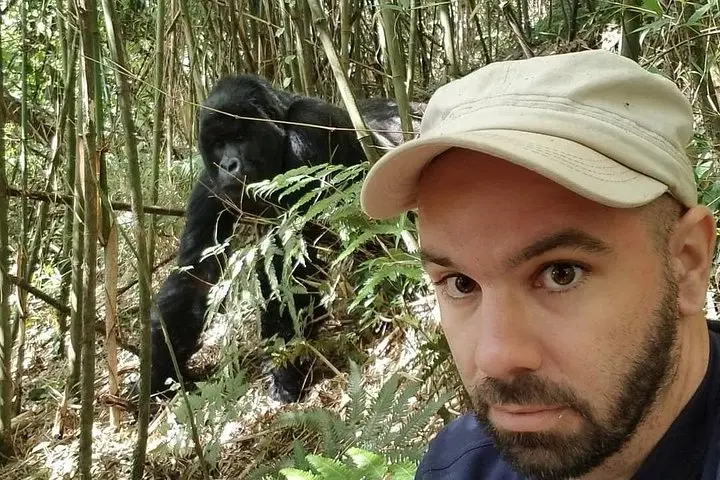
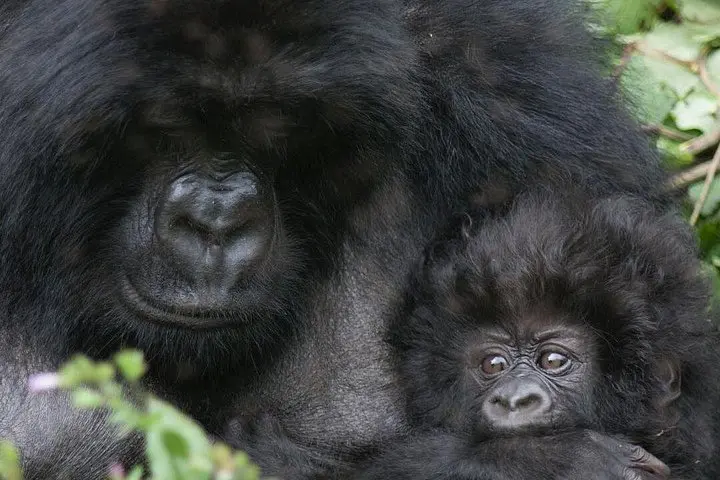
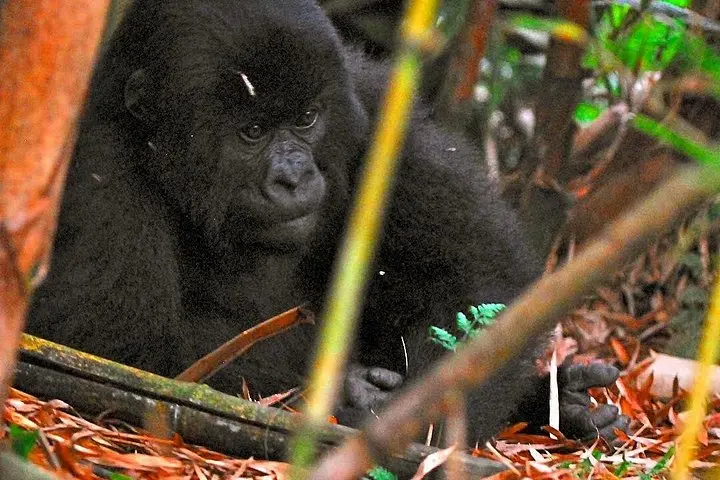
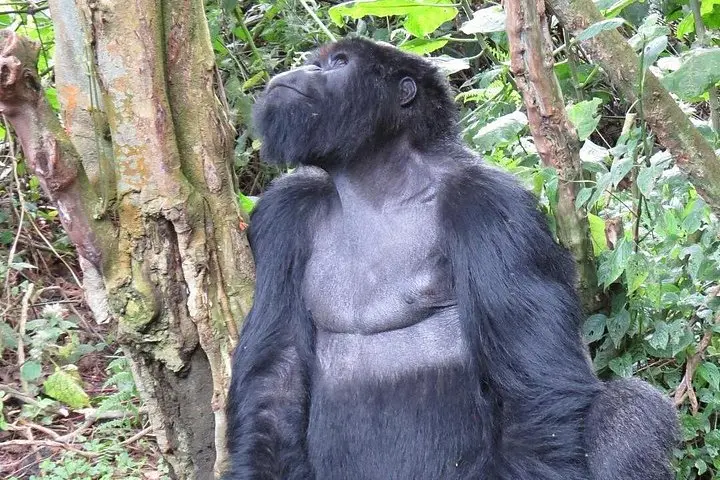
On Day Two you join a small group briefed by rangers: permits restrict viewing to eight people per gorilla family and encounters last one hour. Treks typically run 2–6 hours through steep, muddy slopes, bamboo stands and giant lobelia; expect altitudes around 2,200–3,000 m and variable weather. Golden monkeys also inhabit the forest; local guides point out trail signs and cultural notes about the Bakiga and Hutu-Tutsi communities who work in tea and coffee on surrounding hills.
Practical guidance: book your gorilla permit well in advance via the government portal, carry identification, and aim for sturdy, waterproof boots, long sleeves and a rain shell. Hydrate before the start, consider hiring a porter for steep sections, and keep noise low once gorillas are located. The hour with a family is slow and intimate — move respectfully, follow your guide’s instructions, and let the forest set the pace.
Yes — gorilla permits are required and sold through Rwanda’s government portal; purchase well in advance as numbers are limited.
Once located, you may spend one hour observing the gorillas under the supervision of park rangers.
Trekking can take 2–6 hours over steep, muddy slopes, bamboo groves and mossy forest at 2,200–3,000 m elevation.
Porters can be hired locally to assist on steep sections; tipping guides and porters is customary and appreciated for good service.
1000 Hills Safaris operates guided outdoor trips and adventures with an emphasis on safety, stewardship, and memorable experiences.
Dawn breaks over the Virunga foothills as your vehicle winds out of Kigali and into an ocean of terraced hills. By mid-afternoon you stand at the edge of bamboo and moss, the Volcanoes National Park pressing close; the mist clings like a slow-moving curtain and the forest seems to hold its breath.
Dawn breaks over the Virunga foothills as your vehicle winds out of Kigali and into an ocean of terraced hills. By mid-afternoon you stand at the edge of bamboo and moss, the Volcanoes National Park pressing close; the mist clings like a slow-moving curtain and the forest seems to hold its breath.
Volcanoes National Park sits on the flanks of the Virunga volcanic chain, a landscape shaped by lava, erosion and high-altitude rainforests. The area’s recent history is heavy — from colonial-era boundaries to the 1994 genocide remembered in Kigali — and conservation here has been driven by local and international partnerships focused on protecting mountain gorillas and supporting nearby communities.
On Day Two you join a small group briefed by rangers: permits restrict viewing to eight people per gorilla family and encounters last one hour. Treks typically run 2–6 hours through steep, muddy slopes, bamboo stands and giant lobelia; expect altitudes around 2,200–3,000 m and variable weather. Golden monkeys also inhabit the forest; local guides point out trail signs and cultural notes about the Bakiga and Hutu-Tutsi communities who work in tea and coffee on surrounding hills.
Practical guidance: book your gorilla permit well in advance via the government portal, carry identification, and aim for sturdy, waterproof boots, long sleeves and a rain shell. Hydrate before the start, consider hiring a porter for steep sections, and keep noise low once gorillas are located. The hour with a family is slow and intimate — move respectfully, follow your guide’s instructions, and let the forest set the pace.