THE ADVENTURE COLLECTIVE® · Independent discovery and booking for outdoor travel

A 10-day guided trek through Uganda's Rwenzori Mountains climbs from tropical forest to equatorial glaciers. Expect wet trails, giant heathers, steep days and technical glacier sections—prepare for altitude and rapidly changing weather.
A 10-day guided trek through Uganda's Rwenzori Mountains climbs from tropical forest to equatorial glaciers. Expect wet trails, giant heathers, steep days and technical glacier sections—prepare for altitude and rapidly changing weather.
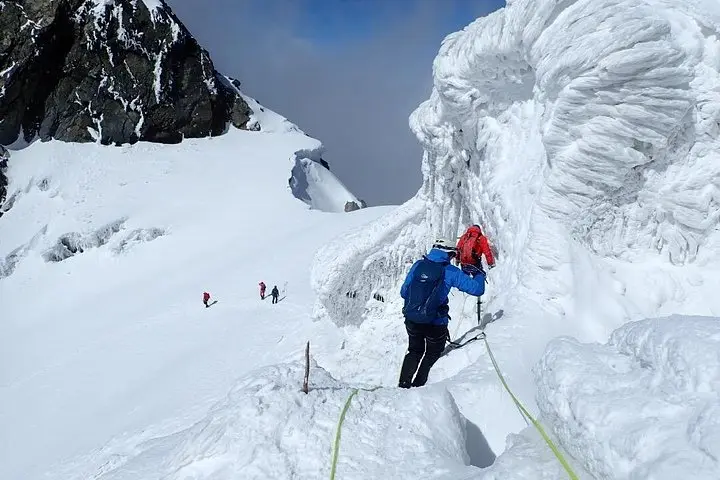
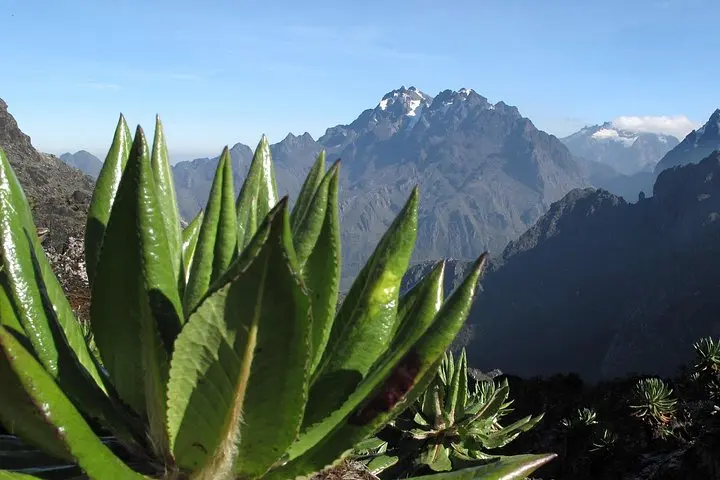
A damp dawn at the Rwenzori park gate sets the tone: dripping lobelia leaves, the low cloud clinging to granite crags and a trail that climbs through layered forests toward a line of white ice. Over ten days, trekkers move from palm-swathed valleys into bamboo and montane cloud forest, then through giant heathers and alpine moorland to the glaciers above 4,500 m.
Verified experiences and guided adventures in the surrounding area.
Operated by Gorilla safari uganda · Kasese, Western Region
A damp dawn at the Rwenzori park gate sets the tone: dripping lobelia leaves, the low cloud clinging to granite crags and a trail that climbs through layered forests toward a line of white ice. Over ten days, trekkers move from palm-swathed valleys into bamboo and montane cloud forest, then through giant heathers and alpine moorland to the glaciers above 4,500 m.
The Rwenzori range is a UNESCO World Heritage Site formed by ancient uplift and erosion rather than volcanic action; its high peaks hold the equatorial glaciers that carve cirques and feed the valley of nine lakes. Cultural life around the slopes is shaped by the Bakonzo and Bamba communities who have long navigated these ridges; local guides and porters are integral to access and logistics now.
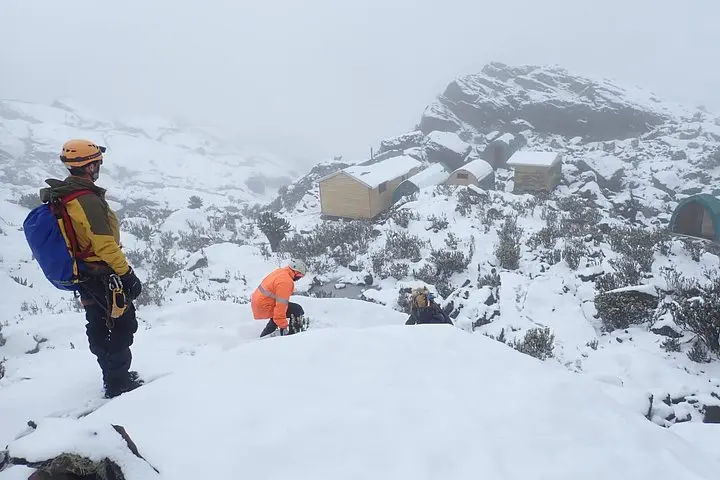
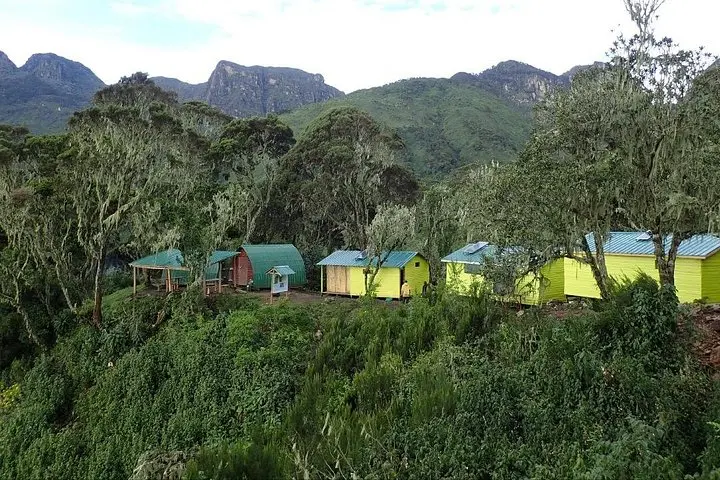
Expect varied terrain: slick rainforest trails, rugged scree and occasional snow and ice near the summits. Weather can change rapidly—clear, cold mornings can give way to afternoon rain and dense cloud—so pacing and acclimatization are central. The itinerary typically uses camps and basic huts; operators supply technical kit like crampons, ropes and harnesses, but strong boots, an insulated sleeping bag and layered clothing are mandatory.
Practical tips: allow extra days if you are new to altitude; drink and eat steadily; follow guide instructions on glacier travel and rope work. Travel with a licensed operator who arranges park permits and ranger accompaniment. For those fit enough to handle steep ascents and long days, the Rwenzori delivers raw, vertical landscapes and a rare chance to stand on equatorial ice.
Guided groups often include technical sections where guides manage rope and glacier work; prior high-altitude trekking experience and comfort with exposure is strongly recommended.
Operators typically arrange park entry fees and ranger accompaniment; confirm inclusions before booking as rules require licensed guides in Rwenzori National Park.
The clearest windows are generally January–February and June–September; the long rains (March–May) and short rains (October–November) make conditions wetter and trails muddier.
Summits approach and exceed 4,500 m, so acute mountain sickness is possible; strict acclimatization, hydration and willingness to descend are essential precautions.
Gorilla safari uganda operates guided outdoor trips and adventures with an emphasis on safety, stewardship, and memorable experiences.
A damp dawn at the Rwenzori park gate sets the tone: dripping lobelia leaves, the low cloud clinging to granite crags and a trail that climbs through layered forests toward a line of white ice. Over ten days, trekkers move from palm-swathed valleys into bamboo and montane cloud forest, then through giant heathers and alpine moorland to the glaciers above 4,500 m.
A damp dawn at the Rwenzori park gate sets the tone: dripping lobelia leaves, the low cloud clinging to granite crags and a trail that climbs through layered forests toward a line of white ice. Over ten days, trekkers move from palm-swathed valleys into bamboo and montane cloud forest, then through giant heathers and alpine moorland to the glaciers above 4,500 m.
The Rwenzori range is a UNESCO World Heritage Site formed by ancient uplift and erosion rather than volcanic action; its high peaks hold the equatorial glaciers that carve cirques and feed the valley of nine lakes. Cultural life around the slopes is shaped by the Bakonzo and Bamba communities who have long navigated these ridges; local guides and porters are integral to access and logistics now.
Expect varied terrain: slick rainforest trails, rugged scree and occasional snow and ice near the summits. Weather can change rapidly—clear, cold mornings can give way to afternoon rain and dense cloud—so pacing and acclimatization are central. The itinerary typically uses camps and basic huts; operators supply technical kit like crampons, ropes and harnesses, but strong boots, an insulated sleeping bag and layered clothing are mandatory.
Practical tips: allow extra days if you are new to altitude; drink and eat steadily; follow guide instructions on glacier travel and rope work. Travel with a licensed operator who arranges park permits and ranger accompaniment. For those fit enough to handle steep ascents and long days, the Rwenzori delivers raw, vertical landscapes and a rare chance to stand on equatorial ice.