THE ADVENTURE COLLECTIVE® · Independent discovery and booking for outdoor travel

Ride an overnight train into Lao Cai, then walk through Muong Hoa valley and stay with ethnic minority families in a homestay. This 2–3 day trek pairs dramatic terraces and suspension bridges with hands-on cultural exchange.
Ride an overnight train into Lao Cai, then walk through Muong Hoa valley and stay with ethnic minority families in a homestay. This 2–3 day trek pairs dramatic terraces and suspension bridges with hands-on cultural exchange.
You step off the night train into a cool mountain air that smells of wet earth and tea leaves, the town of Lao Cai still half-dim as guides herd small groups toward Sapa. Within an hour the landscape opens: patchwork rice terraces cascading down steep slopes, a narrow stream that dares you to follow it upstream, and hamlets where embroidered jackets and bright headscarves signal living tradition.
Verified experiences and guided adventures in the surrounding area.
Operated by Vega Travel · Sapa, Lao Cai
You step off the night train into a cool mountain air that smells of wet earth and tea leaves, the town of Lao Cai still half-dim as guides herd small groups toward Sapa. Within an hour the landscape opens: patchwork rice terraces cascading down steep slopes, a narrow stream that dares you to follow it upstream, and hamlets where embroidered jackets and bright headscarves signal living tradition.
The Hoang Lien Son range—formed by geological uplift and carved by seasonal runoff—frames the route. French missionaries left a Gothic church in Sapa town, a reminder of colonial influence amid communities whose histories run deeper: Hmong, Dzao, Tay and Giay families have farmed these slopes for centuries, shaping terraces and retaining seeds and songs. The trek follows Muong Hoa stream, crosses rattan suspension bridges and threads through villages where home-stays offer a close view of daily life and a chance to learn regional recipes.
Expect full days of walking—5–6 hours on uneven, sometimes muddy trails, with sudden climbs and long descents. Trails pass rice terraces, bamboo groves and hill forest that can be misty in mornings. Practicalities: pack a waterproof layer and sturdy boots, carry water and snacks, and set expectations for basic homestay comforts rather than hotels. Travel light, keep valuables in waterproof pouches, and bring small gifts or local currency for village purchases. Timing trips for spring or early autumn yields the best terrace colors; trains run nightly but arrive early—confirm pickup windows. With planning and respect for local customs, this short expedition delivers layered landscapes and direct cultural exchange.
You should be comfortable walking 5–6 hours on uneven ground with sustained ascents and descents; basic cardio training beforehand helps.
Trains use soft-berth cabins of four with air-conditioning—sleeping spaces are compact but functional; bring a light layer for temperature swings.
Homestays vary; expect shared facilities and simple beds—some houses have en-suite options but most use shared village toilets or warming stoves.
Sapa sits around 1,500 m—most travelers tolerate it, but stay hydrated, ascend gradually and consult a doctor if you have cardiorespiratory issues.
Vega Travel operates guided outdoor trips and adventures with an emphasis on safety, stewardship, and memorable experiences.
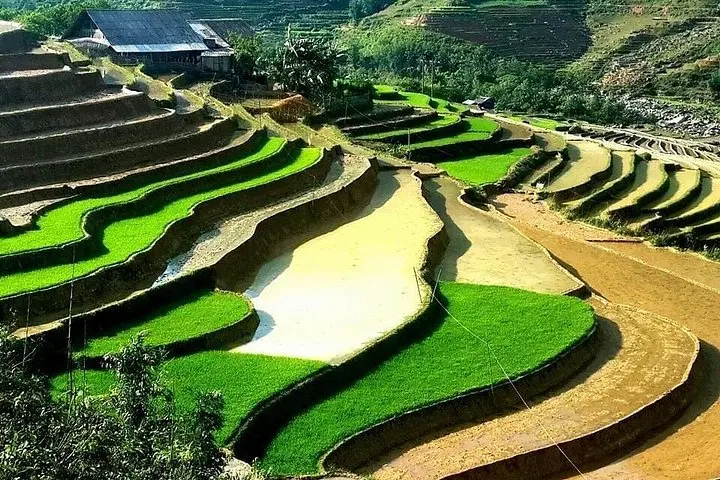
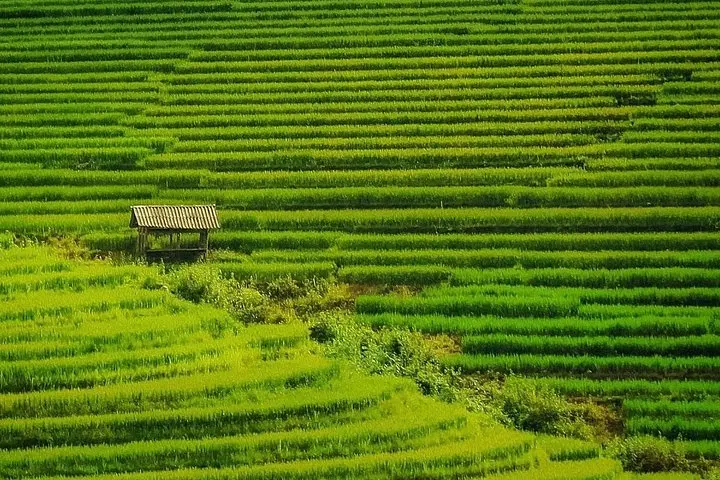
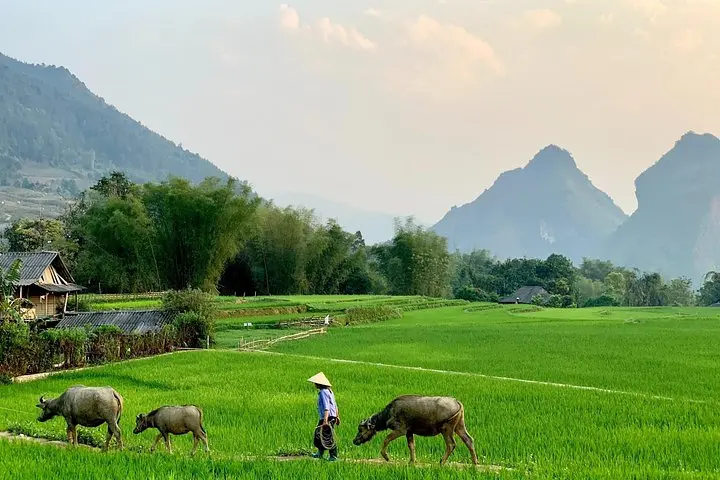
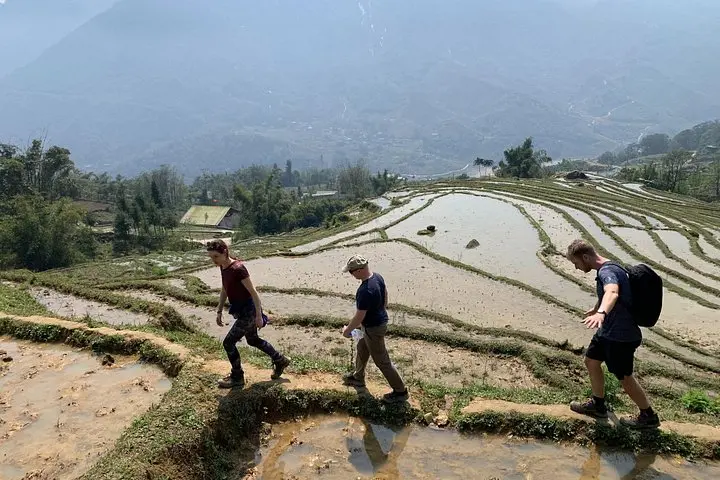
You step off the night train into a cool mountain air that smells of wet earth and tea leaves, the town of Lao Cai still half-dim as guides herd small groups toward Sapa. Within an hour the landscape opens: patchwork rice terraces cascading down steep slopes, a narrow stream that dares you to follow it upstream, and hamlets where embroidered jackets and bright headscarves signal living tradition.
You step off the night train into a cool mountain air that smells of wet earth and tea leaves, the town of Lao Cai still half-dim as guides herd small groups toward Sapa. Within an hour the landscape opens: patchwork rice terraces cascading down steep slopes, a narrow stream that dares you to follow it upstream, and hamlets where embroidered jackets and bright headscarves signal living tradition.
The Hoang Lien Son range—formed by geological uplift and carved by seasonal runoff—frames the route. French missionaries left a Gothic church in Sapa town, a reminder of colonial influence amid communities whose histories run deeper: Hmong, Dzao, Tay and Giay families have farmed these slopes for centuries, shaping terraces and retaining seeds and songs. The trek follows Muong Hoa stream, crosses rattan suspension bridges and threads through villages where home-stays offer a close view of daily life and a chance to learn regional recipes.
Expect full days of walking—5–6 hours on uneven, sometimes muddy trails, with sudden climbs and long descents. Trails pass rice terraces, bamboo groves and hill forest that can be misty in mornings. Practicalities: pack a waterproof layer and sturdy boots, carry water and snacks, and set expectations for basic homestay comforts rather than hotels. Travel light, keep valuables in waterproof pouches, and bring small gifts or local currency for village purchases. Timing trips for spring or early autumn yields the best terrace colors; trains run nightly but arrive early—confirm pickup windows. With planning and respect for local customs, this short expedition delivers layered landscapes and direct cultural exchange.