THE ADVENTURE COLLECTIVE® · Independent discovery and booking for outdoor travel

Experience Sabi Sand as day collapses into night: an open-vehicle sunset drive, bush sundowners, and a guided search for nocturnal wildlife. Practical, off-road safari with expert trackers and lodge pickup.
Experience Sabi Sand as day collapses into night: an open-vehicle sunset drive, bush sundowners, and a guided search for nocturnal wildlife. Practical, off-road safari with expert trackers and lodge pickup.
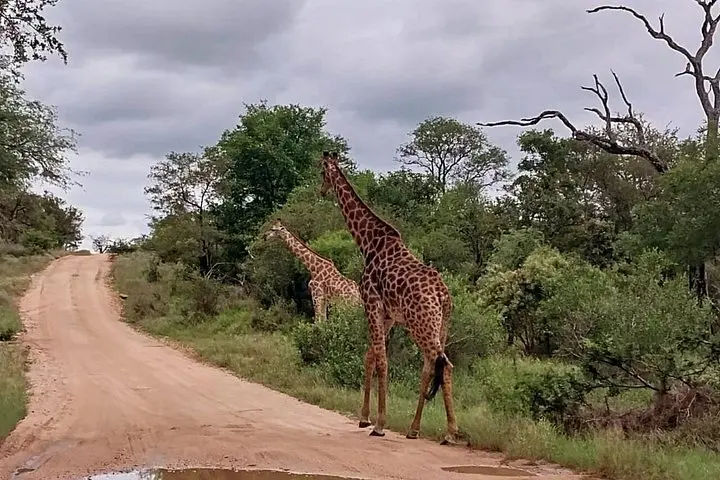
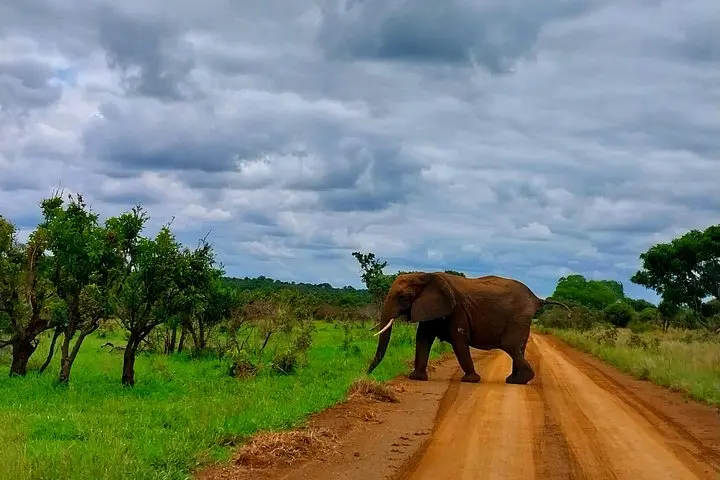
Dust rises in the spotlight of an open 4x4 as the vehicle threads between fever trees and riverine thickets—the sun sliding low over the horizon and painting the sky the color of cooled embers.
Verified experiences and guided adventures in the surrounding area.
Operated by Eye Travel Africa · Hazyview, Mpumalanga
Dust rises in the spotlight of an open 4x4 as the vehicle threads between fever trees and riverine thickets—the sun sliding low over the horizon and painting the sky the color of cooled embers.
This is Sabi Sand at dusk: a private reserve adjoining Kruger National Park where rivers carve sandy channels and granite outcrops puncture the mopane woodlands. The landscape formed over millions of years of shifting plate edges and seasonal rivers; human history here stretches from San rock art to modern conservation partnerships that united fragmented private land into a wildlife corridor.
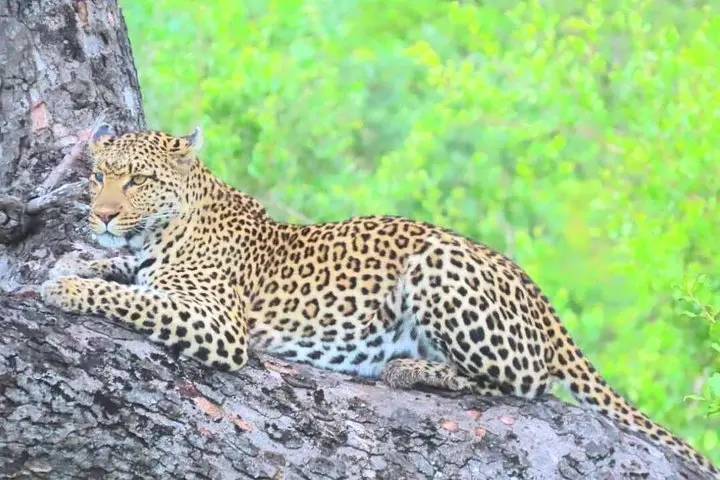
The safari begins as a slow off-road chase for the Big Five, with the experienced tracker and guide reading spoor, listening for dusk calls, and leaning into the vehicle’s rhythm as the bush shifts from ochre to shadow. Sundowner snacks and a preferred drink are served in an open clearing while light fades and nocturnal species emerge—bushbuck slip from the shadows, and leopards begin their patrols.
Practical details: tours typically last 6–7 hours, run in open safari vehicles with room for about a dozen guests, and include bottled water and lodge pickup. Bring closed-toe shoes, layers for rapidly cooling evenings, binoculars, and a camera with a decent low-light lens. Expect some dust, uneven terrain, and limited cellphone signal; guides carry radios for safety and anti-poaching coordination.
Best times are dry-season evenings when animals concentrate near water; respectful behavior keeps sightings frequent—quiet voices, steady light use, and following the guide’s instructions maintain both safety and animal welfare.
Yes—infants may sit on an adult’s lap and the tour is stroller accessible, but check with the operator about age limits and safety policies.
Sabi Sand is in a malaria-risk zone; consult your physician about antimalarial medications and use insect repellent and protective clothing.
Most tours include lodge or nearby accommodation pickup—confirm your pickup point when booking and allow time for transfers between lodges.
Tours may be canceled for severe weather; the operator’s refund policy typically allows full refunds if canceled at least 24 hours in advance.
Eye Travel Africa operates guided outdoor trips and adventures with an emphasis on safety, stewardship, and memorable experiences.
Dust rises in the spotlight of an open 4x4 as the vehicle threads between fever trees and riverine thickets—the sun sliding low over the horizon and painting the sky the color of cooled embers.
Dust rises in the spotlight of an open 4x4 as the vehicle threads between fever trees and riverine thickets—the sun sliding low over the horizon and painting the sky the color of cooled embers.
This is Sabi Sand at dusk: a private reserve adjoining Kruger National Park where rivers carve sandy channels and granite outcrops puncture the mopane woodlands. The landscape formed over millions of years of shifting plate edges and seasonal rivers; human history here stretches from San rock art to modern conservation partnerships that united fragmented private land into a wildlife corridor.
The safari begins as a slow off-road chase for the Big Five, with the experienced tracker and guide reading spoor, listening for dusk calls, and leaning into the vehicle’s rhythm as the bush shifts from ochre to shadow. Sundowner snacks and a preferred drink are served in an open clearing while light fades and nocturnal species emerge—bushbuck slip from the shadows, and leopards begin their patrols.
Practical details: tours typically last 6–7 hours, run in open safari vehicles with room for about a dozen guests, and include bottled water and lodge pickup. Bring closed-toe shoes, layers for rapidly cooling evenings, binoculars, and a camera with a decent low-light lens. Expect some dust, uneven terrain, and limited cellphone signal; guides carry radios for safety and anti-poaching coordination.
Best times are dry-season evenings when animals concentrate near water; respectful behavior keeps sightings frequent—quiet voices, steady light use, and following the guide’s instructions maintain both safety and animal welfare.