THE ADVENTURE COLLECTIVE® · Independent discovery and booking for outdoor travel

Cross high passes, soak in hot springs and walk beside mirror-like alpine lakes on this private 12-day Pamir expedition. From Dushanbe’s museums to the Wakhan Corridor and Lake Karakul, expect long drives, high elevations and striking, sparsely populated landscapes.
Cross high passes, soak in hot springs and walk beside mirror-like alpine lakes on this private 12-day Pamir expedition. From Dushanbe’s museums to the Wakhan Corridor and Lake Karakul, expect long drives, high elevations and striking, sparsely populated landscapes.
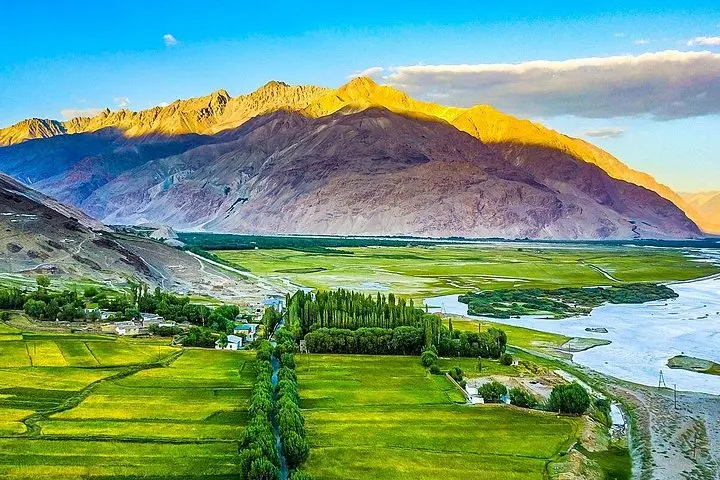
You step out of the car at 3,700 meters and the air feels thin and honest; the lakes lay like polished mirrors, daring the wind to disturb them. Over the next twelve days you’ll follow the Pamir Highway across high passes, through villages clinging to river terraces, and into the folded maw of the Wakhan Corridor where stone fortresses watch valley mouths.
Verified experiences and guided adventures in the surrounding area.
Operated by Travel China Guide · Khorog, Gorno-Badakhshan Autonomous Region
You step out of the car at 3,700 meters and the air feels thin and honest; the lakes lay like polished mirrors, daring the wind to disturb them. Over the next twelve days you’ll follow the Pamir Highway across high passes, through villages clinging to river terraces, and into the folded maw of the Wakhan Corridor where stone fortresses watch valley mouths.
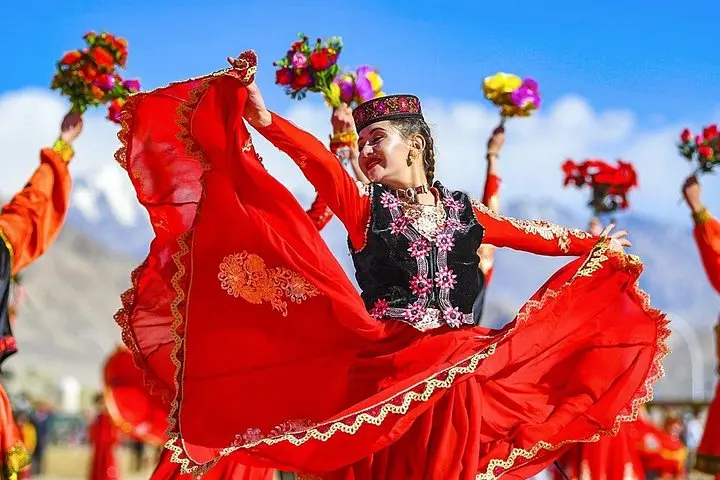
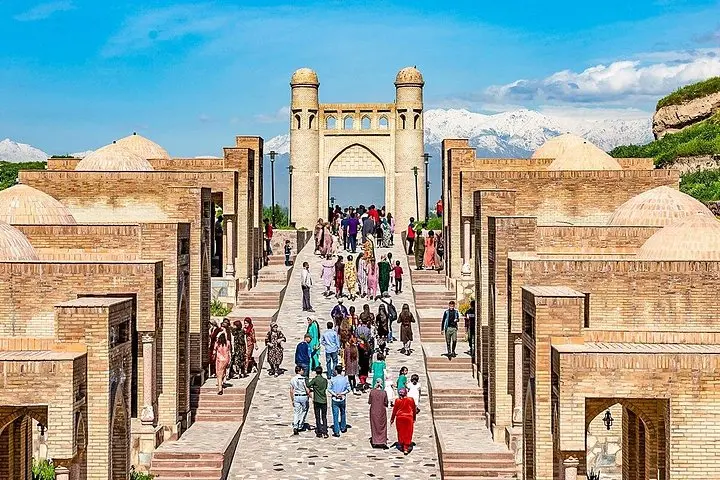
The route threads modern Dushanbe’s Soviet-era monuments with ancient Silk Road footprints: Hisor Fortress, the caravan routes of Ishkashim, and Buddhist stonework in Vrang. Geologically the Pamirs are a young, rising edge of the Tibetan plateau—granite peaks, glacial cirques, and high-elevation basins that trap harsh winters and brilliant summer light. Local culture is Pamiri and Kyrgyz herding life; guesthouses and yurt camps reflect centuries of high-mountain adaptation.
Expect long driving days (several 6–8 hour stretches), short hikes around Yashilkul, Bulunkul and a 1.5-hour hike at Lake Karakul. Key passes include Khargush (4,344 m) and AK-Baital (4,655 m), so altitude is central to the experience. Terrain alternates paved highway, rough M41 sections and rocky valley tracks. Practical tips: build in gentle acclimatization, carry layered clothing, sturdy boots, and water; plan for basic accommodations in Langar and Murghab. The trip is private with English-speaking guides, breakfasts provided, and daily transfers in A/C vehicles. For photographers and serious adventurers alike, the Sacred Pamirs reward patience—sunlit ridgelines, hospitable highland communities, and landscapes that move slowly but insistently.
Most visitors require a visa—check your nationality’s requirements and allow time for e-visas or embassy processing; GBAO permits are needed for travel in Gorno-Badakhshan for some nationalities.
Several days exceed 3,500 m and passes reach 4,655 m; symptoms can occur even in fit travelers—hydrate, ascend slowly, and inform your guide immediately if you feel unwell.
Accommodation ranges from 3–4 star hotels in Dushanbe and Kalai-Khumb to simple guesthouses in Langar and Murghab; facilities are basic in remote valleys.
The Pamir Highway runs along the Panj River with the Afghan border visible; guided travel is standard and local operators monitor security—follow your guide’s instructions and avoid border crossings unless arranged.
Travel China Guide operates guided outdoor trips and adventures with an emphasis on safety, stewardship, and memorable experiences.

You step out of the car at 3,700 meters and the air feels thin and honest; the lakes lay like polished mirrors, daring the wind to disturb them. Over the next twelve days you’ll follow the Pamir Highway across high passes, through villages clinging to river terraces, and into the folded maw of the Wakhan Corridor where stone fortresses watch valley mouths.
You step out of the car at 3,700 meters and the air feels thin and honest; the lakes lay like polished mirrors, daring the wind to disturb them. Over the next twelve days you’ll follow the Pamir Highway across high passes, through villages clinging to river terraces, and into the folded maw of the Wakhan Corridor where stone fortresses watch valley mouths.
The route threads modern Dushanbe’s Soviet-era monuments with ancient Silk Road footprints: Hisor Fortress, the caravan routes of Ishkashim, and Buddhist stonework in Vrang. Geologically the Pamirs are a young, rising edge of the Tibetan plateau—granite peaks, glacial cirques, and high-elevation basins that trap harsh winters and brilliant summer light. Local culture is Pamiri and Kyrgyz herding life; guesthouses and yurt camps reflect centuries of high-mountain adaptation.
Expect long driving days (several 6–8 hour stretches), short hikes around Yashilkul, Bulunkul and a 1.5-hour hike at Lake Karakul. Key passes include Khargush (4,344 m) and AK-Baital (4,655 m), so altitude is central to the experience. Terrain alternates paved highway, rough M41 sections and rocky valley tracks. Practical tips: build in gentle acclimatization, carry layered clothing, sturdy boots, and water; plan for basic accommodations in Langar and Murghab. The trip is private with English-speaking guides, breakfasts provided, and daily transfers in A/C vehicles. For photographers and serious adventurers alike, the Sacred Pamirs reward patience—sunlit ridgelines, hospitable highland communities, and landscapes that move slowly but insistently.