THE ADVENTURE COLLECTIVE® · Independent discovery and booking for outdoor travel

Explore Bali’s eastern highlands on a day that combines the island’s holiest temple, a cave-framed waterfall, and sweeping rice terraces. This guided loop pairs cultural insight with accessible walking and striking vistas.
Explore Bali’s eastern highlands on a day that combines the island’s holiest temple, a cave-framed waterfall, and sweeping rice terraces. This guided loop pairs cultural insight with accessible walking and striking vistas.
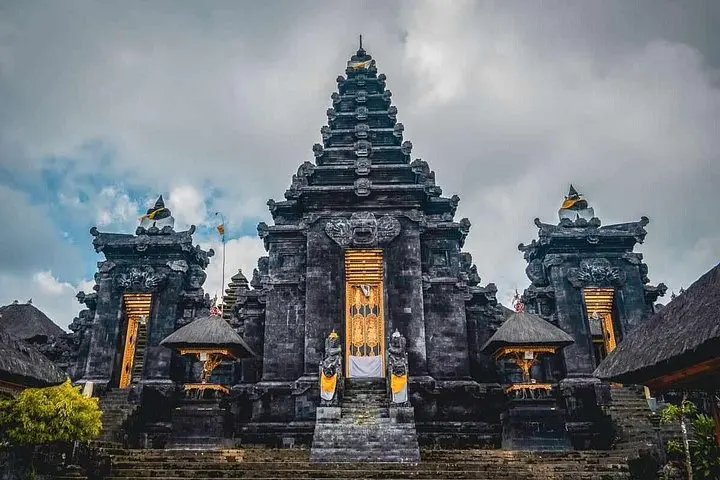
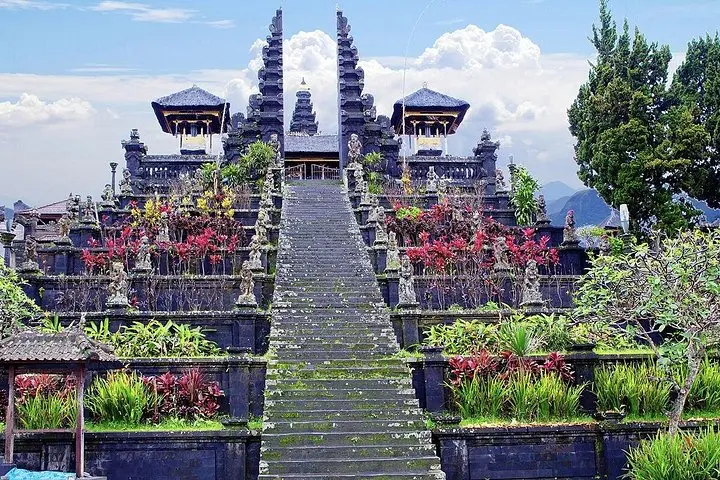
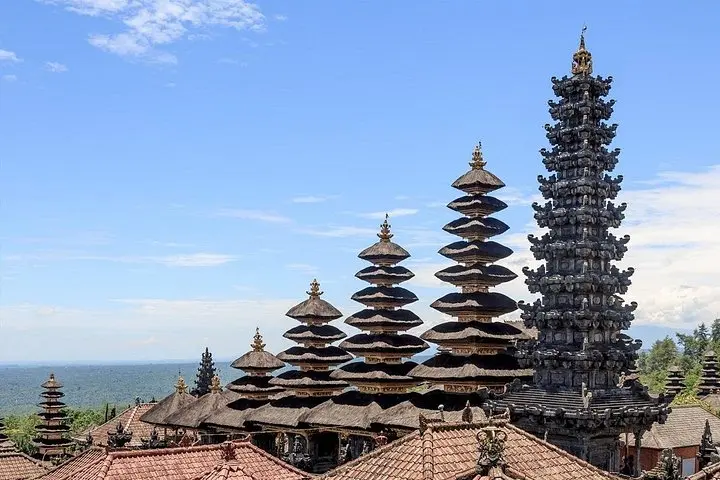
A low mountain haze lifts as the van threads up the eastern flank of Mount Agung, and Besakih’s layered roofs appear against a volcanic skyline. Visitors step from the vehicle into a cool, incense-scented courtyard where pilgrims move with deliberate steps; the temple complex rises in terraces that feel both monumental and lived-in.
Verified experiences and guided adventures in the surrounding area.
Operated by BARBIL TOURS · Rendang, Bali
A low mountain haze lifts as the van threads up the eastern flank of Mount Agung, and Besakih’s layered roofs appear against a volcanic skyline. Visitors step from the vehicle into a cool, incense-scented courtyard where pilgrims move with deliberate steps; the temple complex rises in terraces that feel both monumental and lived-in.
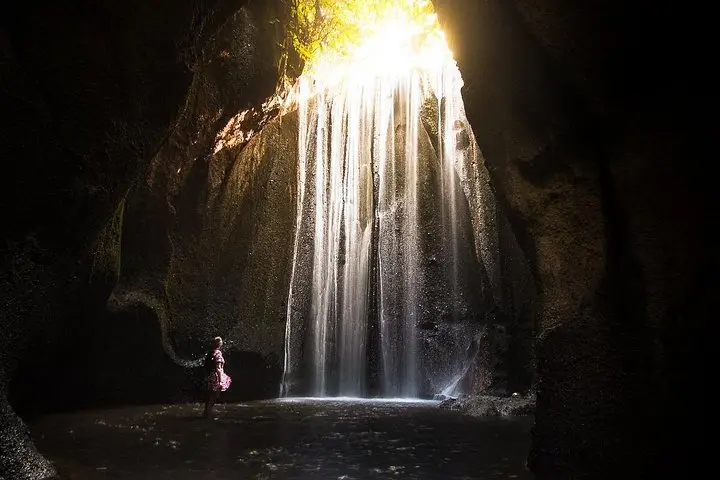
Besakih sits on volcanic slopes shaped by eruptions and centuries of agrarian engineering—its 23 temples climb the mountain like a stairway to ritual. Geology here is raw: black lava fields nearby and fertile ash soils feed the rice paddies below. Down-valley, Tukad Cepung hides behind a curtain of cliff and canopy; sunlight cuts through the cave mouth and turns the spray into blades of light. The Rendang rice terraces that close the loop show Bali’s subak system in action, channels and pools reflecting Mount Agung’s silhouette.
This loop is cultural geography as much as landscape: regular Odalan ceremonies, water temples, and the subak cooperative system shape both land use and daily life. Expect short walks on uneven steps and riverbeds, modest altitude around 1,000 meters at Besakih, and humid jungle microclimates at the falls.
Practical guidance: start early to avoid midday heat and temple crowds, wear grippy shoes for slippery steps and river crossings, carry water and a light rain layer in wet months, and bring modest clothing for temple visits. Allow time to move between sites—roads are winding—and keep a local guide for cultural context and efficient navigation.
Expect several short walks: temple courtyards with steps, a descent and riverbed walk at Tukad Cepung, and gentle paths through the rice terraces—total walking is moderate and broken into short segments.
Roads are paved but winding; transfer times from southern Bali vary (2–3 hours from Seminyak/Denpasar). A guided vehicle is the practical option.
The pool beneath the falls is typically shallow and cold—some visitors wade, but strong currents after heavy rain can make swimming unsafe.
This tour indicates entrance fees are included; always keep some cash for incidental purchases or optional donations.
BARBIL TOURS operates guided outdoor trips and adventures with an emphasis on safety, stewardship, and memorable experiences.
A low mountain haze lifts as the van threads up the eastern flank of Mount Agung, and Besakih’s layered roofs appear against a volcanic skyline. Visitors step from the vehicle into a cool, incense-scented courtyard where pilgrims move with deliberate steps; the temple complex rises in terraces that feel both monumental and lived-in.
A low mountain haze lifts as the van threads up the eastern flank of Mount Agung, and Besakih’s layered roofs appear against a volcanic skyline. Visitors step from the vehicle into a cool, incense-scented courtyard where pilgrims move with deliberate steps; the temple complex rises in terraces that feel both monumental and lived-in.
Besakih sits on volcanic slopes shaped by eruptions and centuries of agrarian engineering—its 23 temples climb the mountain like a stairway to ritual. Geology here is raw: black lava fields nearby and fertile ash soils feed the rice paddies below. Down-valley, Tukad Cepung hides behind a curtain of cliff and canopy; sunlight cuts through the cave mouth and turns the spray into blades of light. The Rendang rice terraces that close the loop show Bali’s subak system in action, channels and pools reflecting Mount Agung’s silhouette.
This loop is cultural geography as much as landscape: regular Odalan ceremonies, water temples, and the subak cooperative system shape both land use and daily life. Expect short walks on uneven steps and riverbeds, modest altitude around 1,000 meters at Besakih, and humid jungle microclimates at the falls.
Practical guidance: start early to avoid midday heat and temple crowds, wear grippy shoes for slippery steps and river crossings, carry water and a light rain layer in wet months, and bring modest clothing for temple visits. Allow time to move between sites—roads are winding—and keep a local guide for cultural context and efficient navigation.