THE ADVENTURE COLLECTIVE® · Independent discovery and booking for outdoor travel

A full-day loop from Cusco through Chinchero, Moray, Maras, Ollantaytambo and Pisac that mixes accessible hikes, Inca agricultural ingenuity, and the shimmering salt pans of Maras—ideal for culture-savvy travelers who want a full picture of the Sacred Valley.
A full-day loop from Cusco through Chinchero, Moray, Maras, Ollantaytambo and Pisac that mixes accessible hikes, Inca agricultural ingenuity, and the shimmering salt pans of Maras—ideal for culture-savvy travelers who want a full picture of the Sacred Valley.
You step out of Cusco’s morning hush as the van climbs into the high valley: terraces march beside the road, and the Andean air pushes at your face like a cool reminder you’re above 3,000 meters.
Verified experiences and guided adventures in the surrounding area.
Operated by Cusco Aventura · Cusco, Cusco Region
You step out of Cusco’s morning hush as the van climbs into the high valley: terraces march beside the road, and the Andean air pushes at your face like a cool reminder you’re above 3,000 meters.
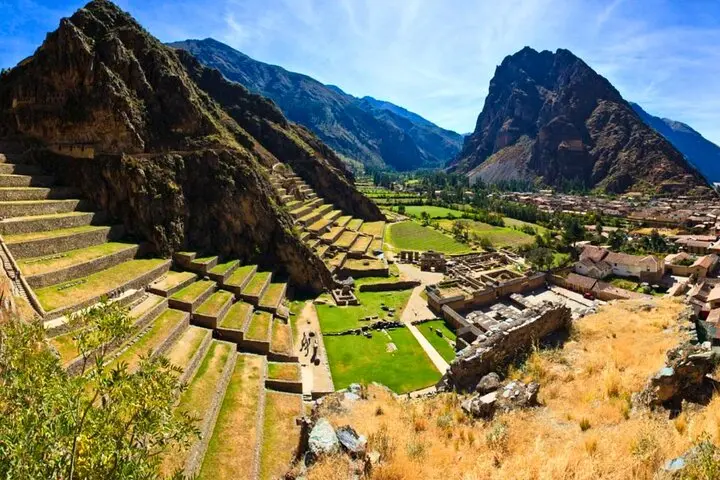
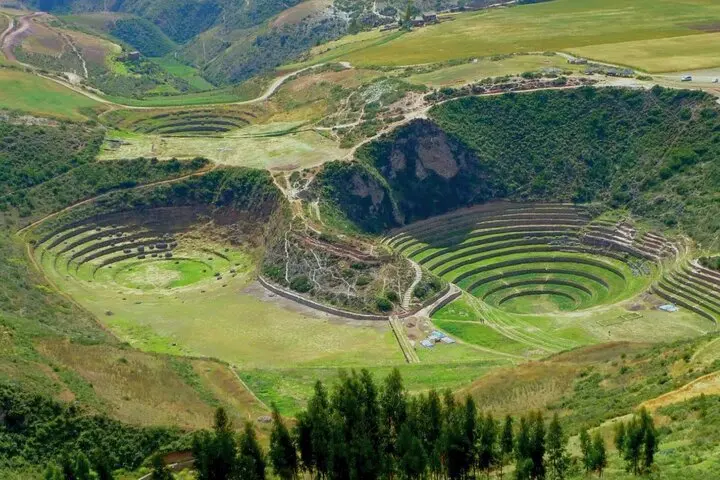
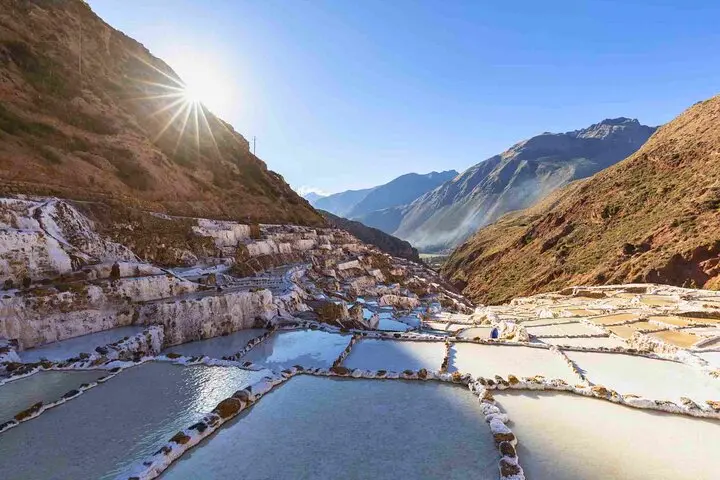
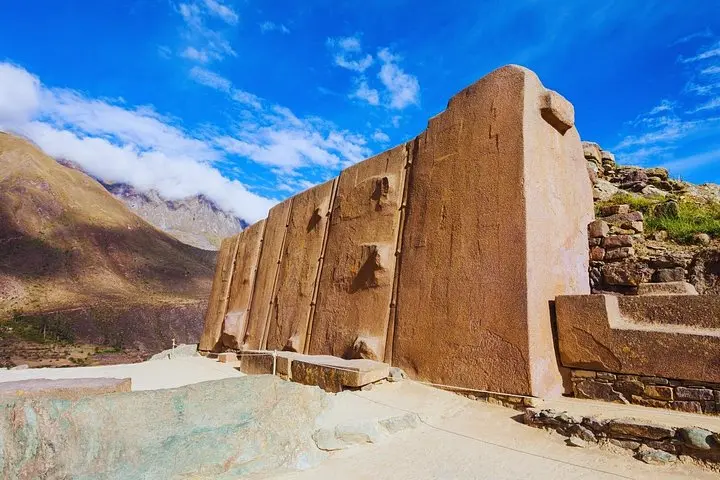
The day moves through living history — Chinchero’s colonial church perched on Inca foundations, Moray’s concentric agricultural amphitheaters that read like an ancient climate lab, and the salt pans of Maras where thousands of shallow pools reflect the sky and the slow, patient labor of salt harvesters. Ollantaytambo’s massive stone terraces feel like architecture that still remembers the hands that hewed it; Pisac’s hilltop ruins offer wide views down the Sacred Valley where the Urubamba River dares the slopes to hold it.
Geology here is candid: folded, uplifted Andes with soils and microclimates the Incas read carefully to farm corn and potatoes at varying elevations. Culture stays present — Quechua markets, traditional textiles, and small-family salt operations maintain techniques older than the Republic.
Practical edge: this is a long, mostly easy day with short walks on uneven cobbles and terraces. Altitude matters — take at least one day in Cusco to acclimatize, sip water steadily, and avoid heavy exertion early. Wear supportive walking shoes with good grip, sun protection, and a light rain layer; mornings are cool, afternoons can turn warm or wet depending on season.
Expect guided context rather than strenuous trails, plenty of photo stops, and opportunities to buy local crafts and snacks. Bring small bills for market purchases and an open curiosity for hands-on cultural encounters.
The tour is approximately 11 hours with multiple short walks (10–30 minutes) at each site; it’s guided and paced for general accessibility.
Lunch is included as a buffet in Urubamba; some site admissions are not included — confirm with the operator before booking.
The tour involves uneven cobblestone streets and stone terraces; people with significant mobility constraints should check specific access at each site before booking.
Yes — the itinerary includes stops where you can explore markets in Pisac and small vendors near other sites; bring cash and allow extra time if you want to browse.
Cusco Aventura operates guided outdoor trips and adventures with an emphasis on safety, stewardship, and memorable experiences.
You step out of Cusco’s morning hush as the van climbs into the high valley: terraces march beside the road, and the Andean air pushes at your face like a cool reminder you’re above 3,000 meters.
You step out of Cusco’s morning hush as the van climbs into the high valley: terraces march beside the road, and the Andean air pushes at your face like a cool reminder you’re above 3,000 meters.
The day moves through living history — Chinchero’s colonial church perched on Inca foundations, Moray’s concentric agricultural amphitheaters that read like an ancient climate lab, and the salt pans of Maras where thousands of shallow pools reflect the sky and the slow, patient labor of salt harvesters. Ollantaytambo’s massive stone terraces feel like architecture that still remembers the hands that hewed it; Pisac’s hilltop ruins offer wide views down the Sacred Valley where the Urubamba River dares the slopes to hold it.
Geology here is candid: folded, uplifted Andes with soils and microclimates the Incas read carefully to farm corn and potatoes at varying elevations. Culture stays present — Quechua markets, traditional textiles, and small-family salt operations maintain techniques older than the Republic.
Practical edge: this is a long, mostly easy day with short walks on uneven cobbles and terraces. Altitude matters — take at least one day in Cusco to acclimatize, sip water steadily, and avoid heavy exertion early. Wear supportive walking shoes with good grip, sun protection, and a light rain layer; mornings are cool, afternoons can turn warm or wet depending on season.
Expect guided context rather than strenuous trails, plenty of photo stops, and opportunities to buy local crafts and snacks. Bring small bills for market purchases and an open curiosity for hands-on cultural encounters.