THE ADVENTURE COLLECTIVE® · Independent discovery and booking for outdoor travel

Cycle from Pisac’s colorful market along quiet dirt tracks to Huayllabamba, through working Incan terraces and riverside scenery. This full‑day ride blends culture, agriculture and accessible single‑track with van support and a classic Andean picnic.
Cycle from Pisac’s colorful market along quiet dirt tracks to Huayllabamba, through working Incan terraces and riverside scenery. This full‑day ride blends culture, agriculture and accessible single‑track with van support and a classic Andean picnic.
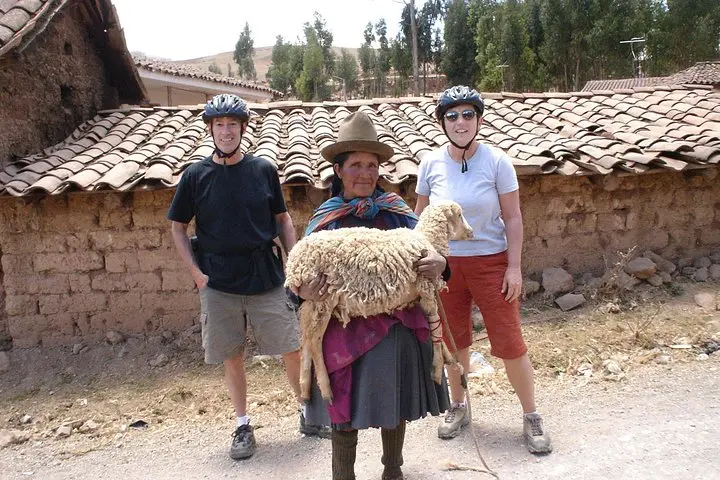
At 9 a.m. the group gathers at Wasicleta and the city’s bustle gives way to a steady downhill rhythm. You pedal out of Cusco’s stone scars into a valley that opens like a long, slow lung: terraced hillsides step down toward a river that dares you to keep pace. The market at Pisac is the first stop — color and chatter, textiles layered on cobblestones — then helmets on and bikes pointed toward riparian dirt tracks.
Verified experiences and guided adventures in the surrounding area.
Operated by Cultural Immersion Travel Peru E.I.R.L. · Pisac, Cusco
At 9 a.m. the group gathers at Wasicleta and the city’s bustle gives way to a steady downhill rhythm. You pedal out of Cusco’s stone scars into a valley that opens like a long, slow lung: terraced hillsides step down toward a river that dares you to keep pace. The market at Pisac is the first stop — color and chatter, textiles layered on cobblestones — then helmets on and bikes pointed toward riparian dirt tracks.
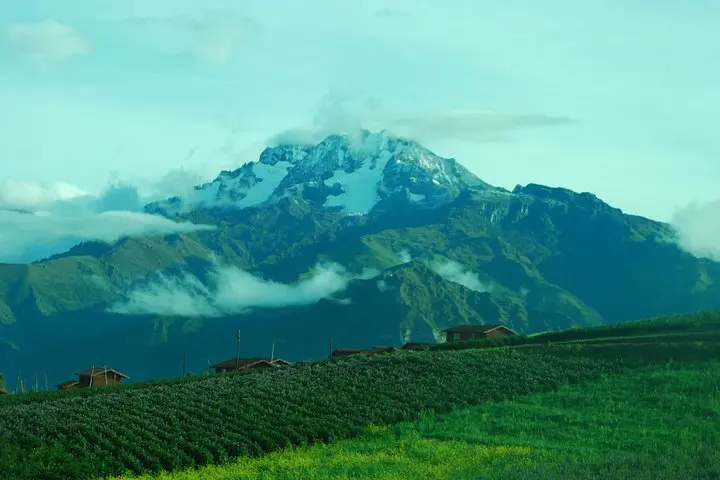
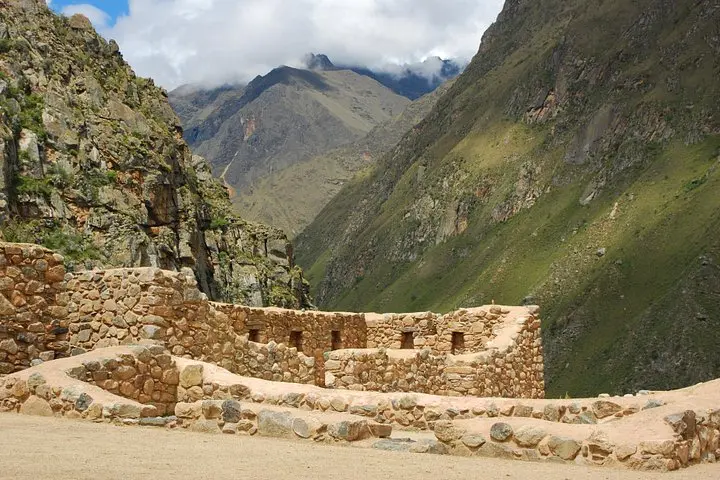
Geology and history here read like a field guide: uplifted volcanic ridges and incised riverbeds shaped the fertile terraces the Incas carved into steep slopes. Those terraces still grow corn, quinoa and potatoes, proof of a living agricultural heritage that frames the route. Villages congeal around irrigation channels; llamas and occasional condors punctuate the skyline.
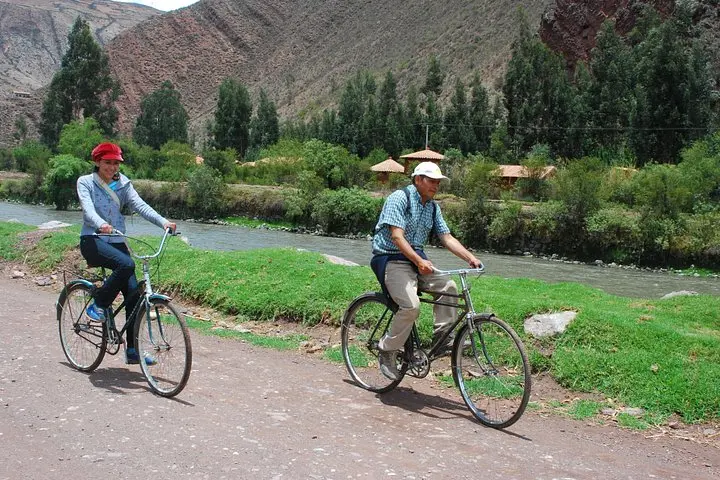
The ride itself is approachable — mostly flat, single-purpose dirt roads with occasional short, firm climbs — and a support van follows to assist riders who need it. Mid-ride you’ll stop for an Andean picnic beside the river near Huayllabamba, where the air is thin but clean.
Practical guidance: expect 7 hours total including transfers and market time; bring layered clothing for sun and wind, high-SPF sunscreen, and at least 2 liters of water. If you’re not comfortable riding on loose dirt or managing altitude, consider the van option. Local guides are attentive to skill levels and will point out archaeological terraces and farming practices. This ride balances scenery, culture, and manageable effort — ideal for cyclists who want immersion without technical drops or vehicle traffic.
The full experience runs about 7 hours including pickups, market time, and lunch; expect roughly 20–35 km of cycling depending on routing and stops.
No advanced technical skill is required—routes use flat dirt roads—but you should be comfortable riding on loose surfaces and shifting gears.
The trip includes hotel pickup/drop-off, a mountain bike and helmet, bottled water, lunch, a professional guide and van support.
Yes — a support van follows the group and can transport riders, bikes or bags at any point during the tour.
Cultural Immersion Travel Peru E.I.R.L. operates guided outdoor trips and adventures with an emphasis on safety, stewardship, and memorable experiences.
At 9 a.m. the group gathers at Wasicleta and the city’s bustle gives way to a steady downhill rhythm. You pedal out of Cusco’s stone scars into a valley that opens like a long, slow lung: terraced hillsides step down toward a river that dares you to keep pace. The market at Pisac is the first stop — color and chatter, textiles layered on cobblestones — then helmets on and bikes pointed toward riparian dirt tracks.
At 9 a.m. the group gathers at Wasicleta and the city’s bustle gives way to a steady downhill rhythm. You pedal out of Cusco’s stone scars into a valley that opens like a long, slow lung: terraced hillsides step down toward a river that dares you to keep pace. The market at Pisac is the first stop — color and chatter, textiles layered on cobblestones — then helmets on and bikes pointed toward riparian dirt tracks.
Geology and history here read like a field guide: uplifted volcanic ridges and incised riverbeds shaped the fertile terraces the Incas carved into steep slopes. Those terraces still grow corn, quinoa and potatoes, proof of a living agricultural heritage that frames the route. Villages congeal around irrigation channels; llamas and occasional condors punctuate the skyline.
The ride itself is approachable — mostly flat, single-purpose dirt roads with occasional short, firm climbs — and a support van follows to assist riders who need it. Mid-ride you’ll stop for an Andean picnic beside the river near Huayllabamba, where the air is thin but clean.
Practical guidance: expect 7 hours total including transfers and market time; bring layered clothing for sun and wind, high-SPF sunscreen, and at least 2 liters of water. If you’re not comfortable riding on loose dirt or managing altitude, consider the van option. Local guides are attentive to skill levels and will point out archaeological terraces and farming practices. This ride balances scenery, culture, and manageable effort — ideal for cyclists who want immersion without technical drops or vehicle traffic.