THE ADVENTURE COLLECTIVE® · Independent discovery and booking for outdoor travel

Ride from high Andean terraces to the warmer floors of the Sacred Valley on a guided downhill from Chinchero to Urquillos. This full-day trip mixes Inca and colonial sites with a technical, scenic descent suitable for riders with moderate fitness.
Ride from high Andean terraces to the warmer floors of the Sacred Valley on a guided downhill from Chinchero to Urquillos. This full-day trip mixes Inca and colonial sites with a technical, scenic descent suitable for riders with moderate fitness.
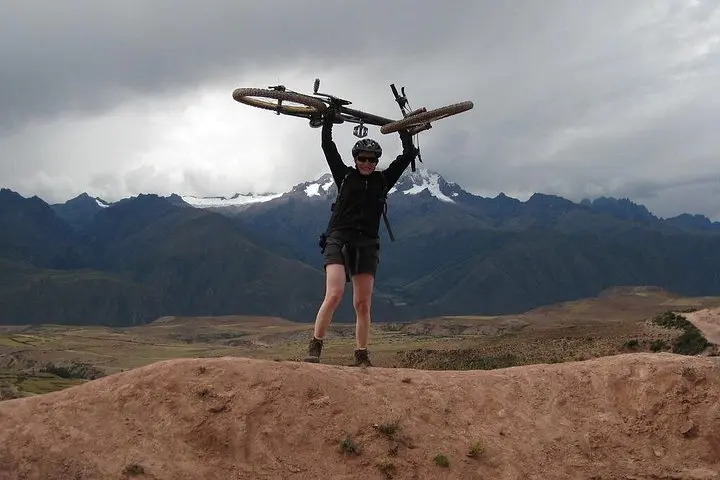
You step off the minibus in Chinchero with high-altitude air pinching at your lungs and a panorama of snow-tipped peaks—Chicón looming above like an old watchman. The town’s colonial church and exposed Inca terraces sit on a ridge; below, the valley opens in rows of cultivated fields and winding dirt roads that beg to be ridden.
Verified experiences and guided adventures in the surrounding area.
Operated by Conde Travel · Chinchero, Cusco Region
You step off the minibus in Chinchero with high-altitude air pinching at your lungs and a panorama of snow-tipped peaks—Chicón looming above like an old watchman. The town’s colonial church and exposed Inca terraces sit on a ridge; below, the valley opens in rows of cultivated fields and winding dirt roads that beg to be ridden.
This full-day downhill route threads colonial history, living Andean agriculture, and Inca engineering. Chinchero was both an Inca administrative center and later a colonial parish; stone walls and textile traditions speak to that layered past. Geologically, the valley is carved by tributaries of the Urubamba River, creating steep terraces and sudden elevation drops that make this descent engaging and varied.
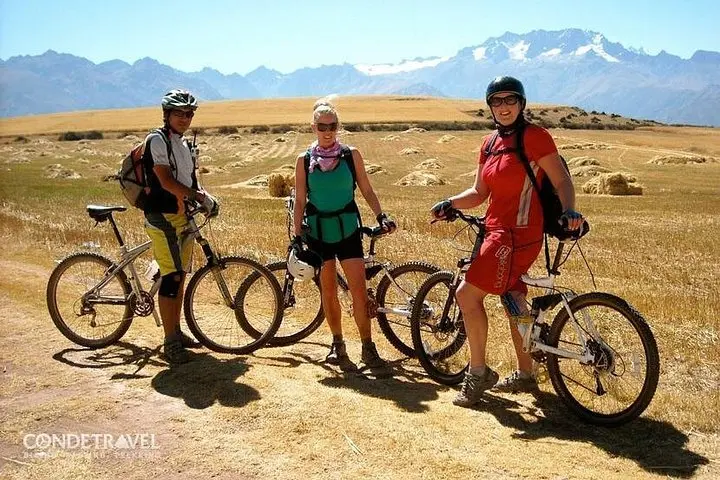
Riding from the high puna toward the warmer valley you’ll leave tussock and bofedales behind for rocky farm tracks, short singletrack, and sections of low-traffic paved road. The gradient is mostly downhill—expect several hundred meters of descent over roughly 20–30 km—so braking technique and attention to loose gravel matter. Local villagers often tend potato plots and weavers sell bright textiles in market stalls; courteous ringing and a little patience keeps the rhythm friendly.
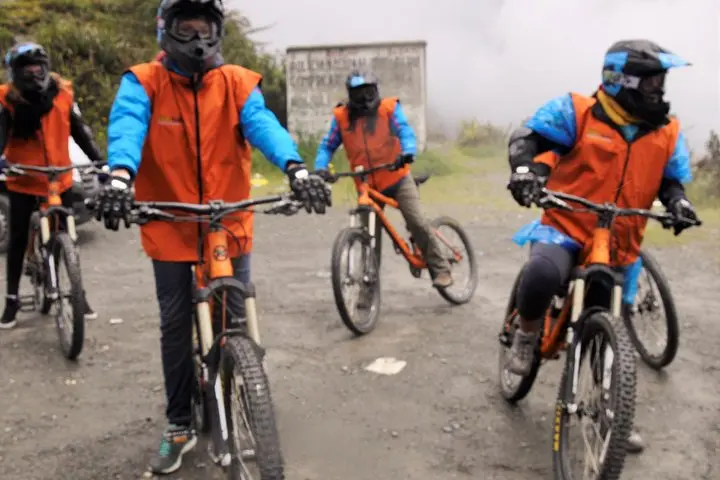
Practical guidance: acclimatize in Cusco for 48–72 hours to reduce altitude effects, wear layered sun and wind protection, and test your suspension and brakes before aggressive descents. Hydrate steadily—high-altitude exertion sneaks up on you—and keep a small cash stash for market snacks and tips. Guides provide full safety briefing, helmet and protective pads, and a typical lunch in Urquillos. Expect a return to Cusco by late afternoon—an efficient, scenic day that balances culture with pure downhill riding.
The route is mostly downhill with some technical rocky sections and farm tracks; riders should be comfortable with continuous descending and have moderate fitness.
Yes—Cusco and Chinchero sit above 3,700 m; plan 48–72 hours in Cusco to acclimatize and hydrate to minimize symptoms.
The tour supplies a professional suspension mountain bike, helmet, gloves and knee pads, plus a first-aid kit and a pre-trip briefing.
Yes—typical lunch in Urquillos and round-trip transport from Cusco are included; the tour returns to Cusco by late afternoon.
Conde Travel operates guided outdoor trips and adventures with an emphasis on safety, stewardship, and memorable experiences.
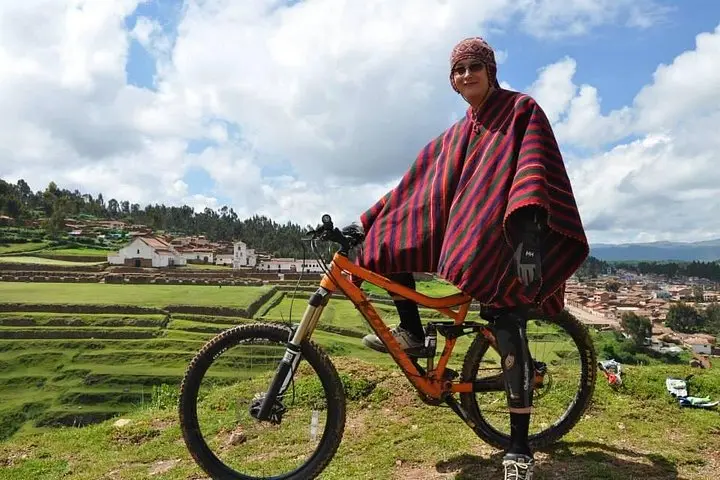
You step off the minibus in Chinchero with high-altitude air pinching at your lungs and a panorama of snow-tipped peaks—Chicón looming above like an old watchman. The town’s colonial church and exposed Inca terraces sit on a ridge; below, the valley opens in rows of cultivated fields and winding dirt roads that beg to be ridden.
You step off the minibus in Chinchero with high-altitude air pinching at your lungs and a panorama of snow-tipped peaks—Chicón looming above like an old watchman. The town’s colonial church and exposed Inca terraces sit on a ridge; below, the valley opens in rows of cultivated fields and winding dirt roads that beg to be ridden.
This full-day downhill route threads colonial history, living Andean agriculture, and Inca engineering. Chinchero was both an Inca administrative center and later a colonial parish; stone walls and textile traditions speak to that layered past. Geologically, the valley is carved by tributaries of the Urubamba River, creating steep terraces and sudden elevation drops that make this descent engaging and varied.
Riding from the high puna toward the warmer valley you’ll leave tussock and bofedales behind for rocky farm tracks, short singletrack, and sections of low-traffic paved road. The gradient is mostly downhill—expect several hundred meters of descent over roughly 20–30 km—so braking technique and attention to loose gravel matter. Local villagers often tend potato plots and weavers sell bright textiles in market stalls; courteous ringing and a little patience keeps the rhythm friendly.
Practical guidance: acclimatize in Cusco for 48–72 hours to reduce altitude effects, wear layered sun and wind protection, and test your suspension and brakes before aggressive descents. Hydrate steadily—high-altitude exertion sneaks up on you—and keep a small cash stash for market snacks and tips. Guides provide full safety briefing, helmet and protective pads, and a typical lunch in Urquillos. Expect a return to Cusco by late afternoon—an efficient, scenic day that balances culture with pure downhill riding.