THE ADVENTURE COLLECTIVE® · Independent discovery and booking for outdoor travel

Spend a full day in the Sacred Valley combining a Urubamba market stroll, hands-on cooking at a lakeside farm, and a visit to the stepped salt pans of Maras. Learn ceviche and pisco techniques while exploring local agriculture and salt-harvesting traditions.
Spend a full day in the Sacred Valley combining a Urubamba market stroll, hands-on cooking at a lakeside farm, and a visit to the stepped salt pans of Maras. Learn ceviche and pisco techniques while exploring local agriculture and salt-harvesting traditions.
You step off the minivan into bright Andean air—thin, cold, and surprisingly sharp—while a market hawker offers a bunch of wild greens. The day moves like a tasting menu: an early walk through Urubamba’s open stalls, a hands-on cooking lesson at a lakeside farm, then a short drive to the stepped white terraces of Maras salt pans where sunlight etches salt crystals into geometric pools.
Verified experiences and guided adventures in the surrounding area.
Operated by Homestay Journey · Urubamba, Cusco
You step off the minivan into bright Andean air—thin, cold, and surprisingly sharp—while a market hawker offers a bunch of wild greens. The day moves like a tasting menu: an early walk through Urubamba’s open stalls, a hands-on cooking lesson at a lakeside farm, then a short drive to the stepped white terraces of Maras salt pans where sunlight etches salt crystals into geometric pools.
The Sacred Valley sits on high-Peruvian plains carved by the Urubamba River and shaped by Inca and pre-Inca agriculture; terraces and irrigation remain visible across the valley. Maras’ salt pans are shallow evaporation ponds that local families have managed since pre-Columbian times; geology here is simple—groundwater rich in minerals surfaces through a fault and concentrates in man-made ponds under intense Andean sun.
Culturally the trip blends markets where Quechua-speaking vendors sell potatoes and medicinal herbs, with a family-run farm where quinoa and guinea pigs (cuy) are part of daily life. The cooking segment focuses on ceviche and a Pisco Sour primer, taught by a local chef using produce you just saw at market.
Practical guide: expect elevation around 2,800–3,300 m, mostly easy walking on cobbled market streets, farm tracks, and paved viewpoints; total outing runs about 8–10 hours. Dress in layers for wind and sun, bring water and sunscreen, and allow time to acclimatize if you’re coming from low altitude. The day balances cultural immersion with manageable activity—ideal for curious travelers who want food, history, and a short dose of light outdoor exploration.
The full-day experience runs about 8–10 hours, typically starting in the morning and finishing in late afternoon.
Yes—the cooking class can accommodate vegetarian requests, but confirm dietary needs when booking.
Some visitors experience mild effects (headache, shortness of breath); rest before the tour, hydrate, and avoid alcohol the night before.
The salt pans are reached by short drives and easy, mostly flat viewpoints—no technical hiking is required.
Homestay Journey operates guided outdoor trips and adventures with an emphasis on safety, stewardship, and memorable experiences.
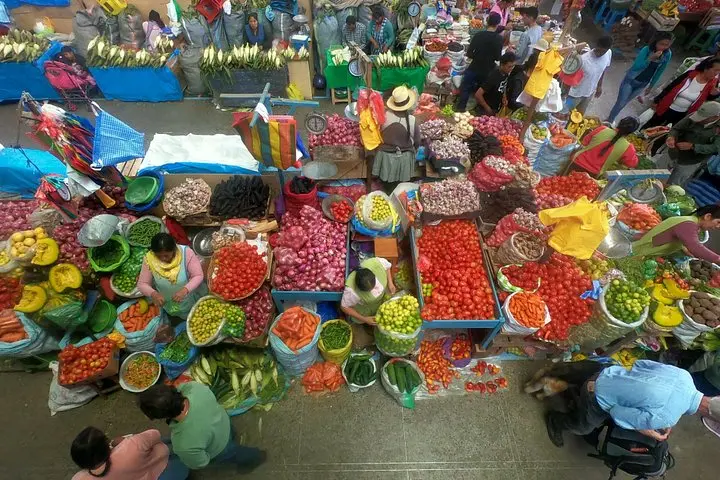
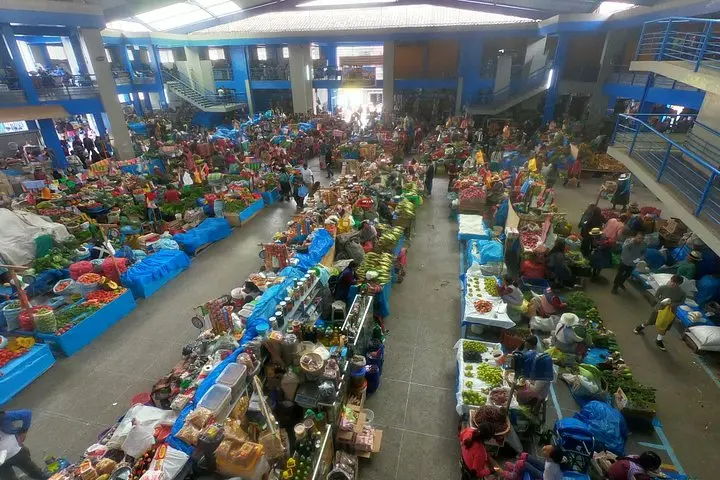
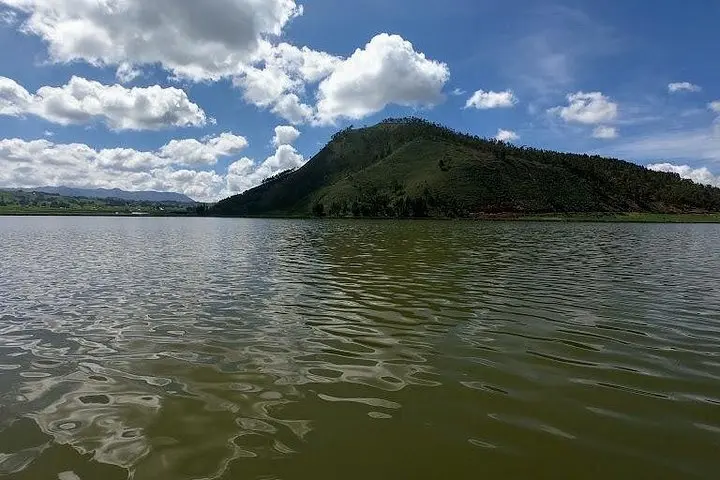
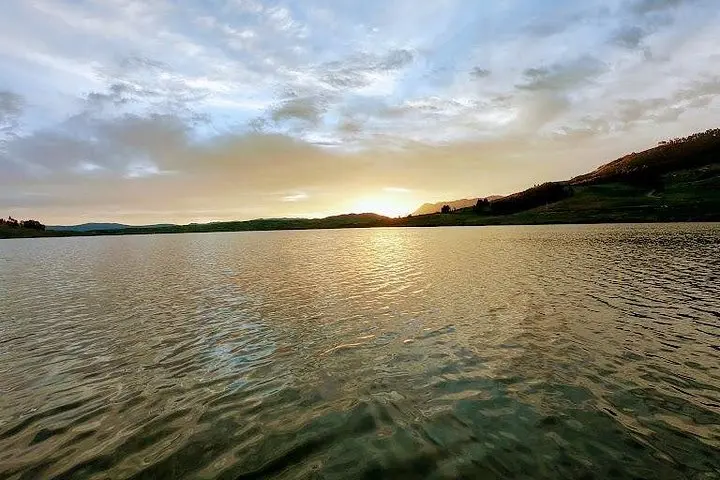
You step off the minivan into bright Andean air—thin, cold, and surprisingly sharp—while a market hawker offers a bunch of wild greens. The day moves like a tasting menu: an early walk through Urubamba’s open stalls, a hands-on cooking lesson at a lakeside farm, then a short drive to the stepped white terraces of Maras salt pans where sunlight etches salt crystals into geometric pools.
You step off the minivan into bright Andean air—thin, cold, and surprisingly sharp—while a market hawker offers a bunch of wild greens. The day moves like a tasting menu: an early walk through Urubamba’s open stalls, a hands-on cooking lesson at a lakeside farm, then a short drive to the stepped white terraces of Maras salt pans where sunlight etches salt crystals into geometric pools.
The Sacred Valley sits on high-Peruvian plains carved by the Urubamba River and shaped by Inca and pre-Inca agriculture; terraces and irrigation remain visible across the valley. Maras’ salt pans are shallow evaporation ponds that local families have managed since pre-Columbian times; geology here is simple—groundwater rich in minerals surfaces through a fault and concentrates in man-made ponds under intense Andean sun.
Culturally the trip blends markets where Quechua-speaking vendors sell potatoes and medicinal herbs, with a family-run farm where quinoa and guinea pigs (cuy) are part of daily life. The cooking segment focuses on ceviche and a Pisco Sour primer, taught by a local chef using produce you just saw at market.
Practical guide: expect elevation around 2,800–3,300 m, mostly easy walking on cobbled market streets, farm tracks, and paved viewpoints; total outing runs about 8–10 hours. Dress in layers for wind and sun, bring water and sunscreen, and allow time to acclimatize if you’re coming from low altitude. The day balances cultural immersion with manageable activity—ideal for curious travelers who want food, history, and a short dose of light outdoor exploration.