THE ADVENTURE COLLECTIVE® · Independent discovery and booking for outdoor travel

Spend a full day tracing Inca ingenuity across the Sacred Valley — from Chinchero’s weaving houses to Moray’s agricultural circles and the salt pans of Maras. This small-group tour offers close-up history, sweeping Andean views, and the option to end at Ollantaytambo train station.
Spend a full day tracing Inca ingenuity across the Sacred Valley — from Chinchero’s weaving houses to Moray’s agricultural circles and the salt pans of Maras. This small-group tour offers close-up history, sweeping Andean views, and the option to end at Ollantaytambo train station.
Dawn in the Andes arrives cold and sharp: the van slips out of Cusco as a low sun cuts across terraced slopes and thin mountain air that seems to push back at first breath. By midmorning you stand at a family-run weaving house in Chinchero where alpacas and guinea pigs patrol the courtyard, threads of indigo and cochineal clicking under a practiced hand. The day moves like a measured Inca calendar — experiments in agriculture at Moray, geometric pools of salt at Maras daring your camera, and the stone streets of Ollantaytambo that once barred invaders.
Verified experiences and guided adventures in the surrounding area.
Operated by Travel Cusco G · Cusco, Cusco
Dawn in the Andes arrives cold and sharp: the van slips out of Cusco as a low sun cuts across terraced slopes and thin mountain air that seems to push back at first breath. By midmorning you stand at a family-run weaving house in Chinchero where alpacas and guinea pigs patrol the courtyard, threads of indigo and cochineal clicking under a practiced hand. The day moves like a measured Inca calendar — experiments in agriculture at Moray, geometric pools of salt at Maras daring your camera, and the stone streets of Ollantaytambo that once barred invaders.
The Sacred Valley is both geological playground and cultural archive. Moray’s concentric terraces are an engineered amphitheater of microclimates, carved into wind-scoured earth. Maras’ salt pans tap a spring that communities have harvested since before the Inca consolidated power; Ollantaytambo holds massive terraces and narrow streets used as a defensive chokepoint against the Spanish.
Practical guidance: this is a long 12-hour day with multiple short walks on uneven cobbles at altitudes between ~2,800–3,800 m. Expect frequent stops for photos, a buffet lunch with vegetarian options, and a choice to be dropped at Ollantaytambo train station or returned to Cusco. Acclimatize 24–48 hours in Cusco if possible, carry water, sun protection, and a lightweight layer for wind and afternoon chill. Small-group size (2–8) keeps the pace flexible — come ready to move, learn from a local guide, and leave space in your pack for a spontaneous textile purchase.
This day tour visits Chinchero, Moray, Maras and Ollantaytambo rather than Machu Picchu; if you booked a combined ticket, follow the organizer’s instructions—there may be separate delivery for Machu Picchu access.
Yes—there is an option to be dropped at the Ollantaytambo train station in the afternoon to continue on to Machu Picchu by train.
Families with children can join, but the operator notes it is not recommended for travelers with serious spinal problems due to vehicle travel and uneven walking surfaces.
Yes—there is a buffet lunch included with vegetarian options and public restrooms at some stops; carry small change for facilities in remote areas.
Travel Cusco G operates guided outdoor trips and adventures with an emphasis on safety, stewardship, and memorable experiences.

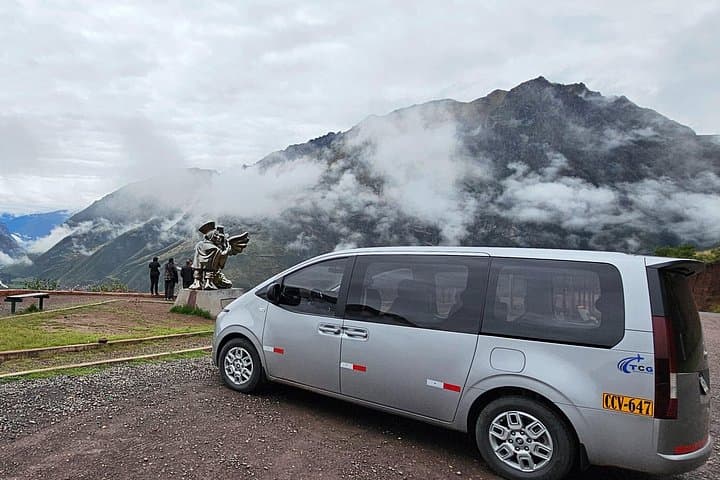
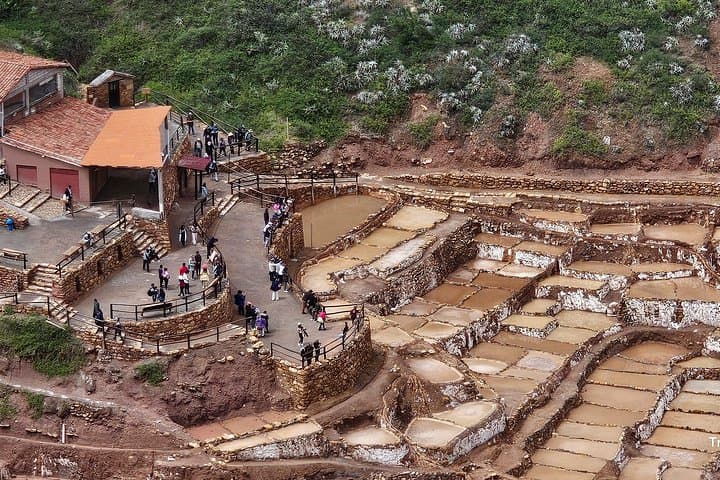

Dawn in the Andes arrives cold and sharp: the van slips out of Cusco as a low sun cuts across terraced slopes and thin mountain air that seems to push back at first breath. By midmorning you stand at a family-run weaving house in Chinchero where alpacas and guinea pigs patrol the courtyard, threads of indigo and cochineal clicking under a practiced hand. The day moves like a measured Inca calendar — experiments in agriculture at Moray, geometric pools of salt at Maras daring your camera, and the stone streets of Ollantaytambo that once barred invaders.
Dawn in the Andes arrives cold and sharp: the van slips out of Cusco as a low sun cuts across terraced slopes and thin mountain air that seems to push back at first breath. By midmorning you stand at a family-run weaving house in Chinchero where alpacas and guinea pigs patrol the courtyard, threads of indigo and cochineal clicking under a practiced hand. The day moves like a measured Inca calendar — experiments in agriculture at Moray, geometric pools of salt at Maras daring your camera, and the stone streets of Ollantaytambo that once barred invaders.
The Sacred Valley is both geological playground and cultural archive. Moray’s concentric terraces are an engineered amphitheater of microclimates, carved into wind-scoured earth. Maras’ salt pans tap a spring that communities have harvested since before the Inca consolidated power; Ollantaytambo holds massive terraces and narrow streets used as a defensive chokepoint against the Spanish.
Practical guidance: this is a long 12-hour day with multiple short walks on uneven cobbles at altitudes between ~2,800–3,800 m. Expect frequent stops for photos, a buffet lunch with vegetarian options, and a choice to be dropped at Ollantaytambo train station or returned to Cusco. Acclimatize 24–48 hours in Cusco if possible, carry water, sun protection, and a lightweight layer for wind and afternoon chill. Small-group size (2–8) keeps the pace flexible — come ready to move, learn from a local guide, and leave space in your pack for a spontaneous textile purchase.