THE ADVENTURE COLLECTIVE® · Independent discovery and booking for outdoor travel

Cover five classic Sacred Valley highlights in one long day: Chinchero, Moray, Maras, Ollantaytambo and Pisac. Expect ancient terraces, salt pans, living textile traditions and a full 10–12 hour itinerary at high elevation.
Cover five classic Sacred Valley highlights in one long day: Chinchero, Moray, Maras, Ollantaytambo and Pisac. Expect ancient terraces, salt pans, living textile traditions and a full 10–12 hour itinerary at high elevation.
You step out of Cusco’s thin air into a valley that opens like a ledger of Inca ingenuity—the road drops, terraced slopes rise, and the Andes push the sky into sharp ridgelines.
Verified experiences and guided adventures in the surrounding area.
Operated by MC Peru Expeditions · Cusco, Cusco Region
You step out of Cusco’s thin air into a valley that opens like a ledger of Inca ingenuity—the road drops, terraced slopes rise, and the Andes push the sky into sharp ridgelines.
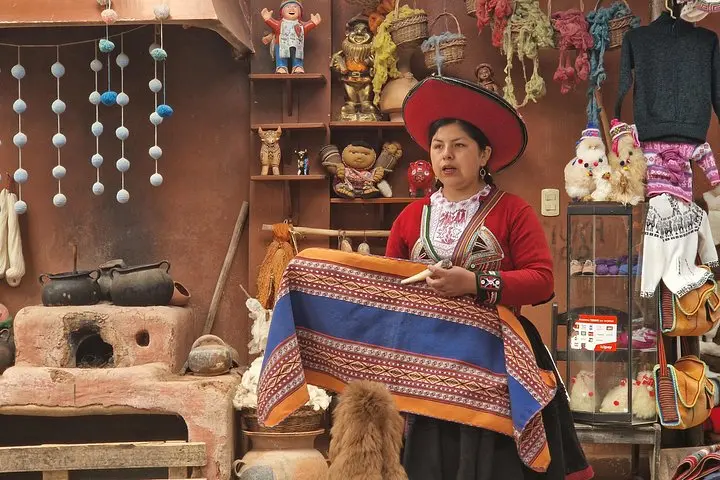
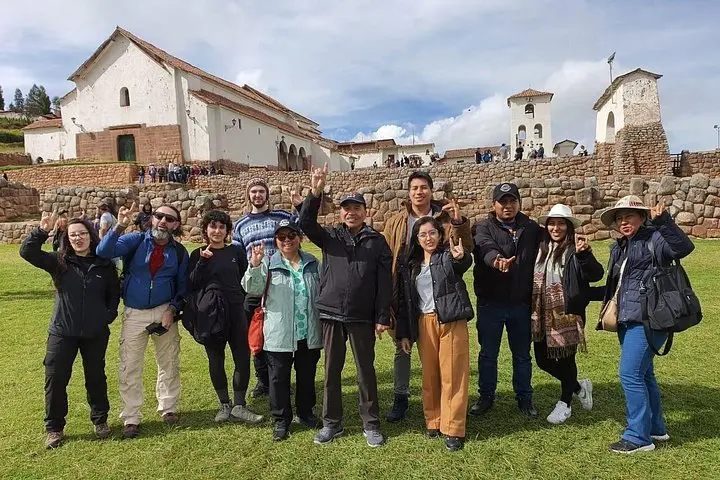
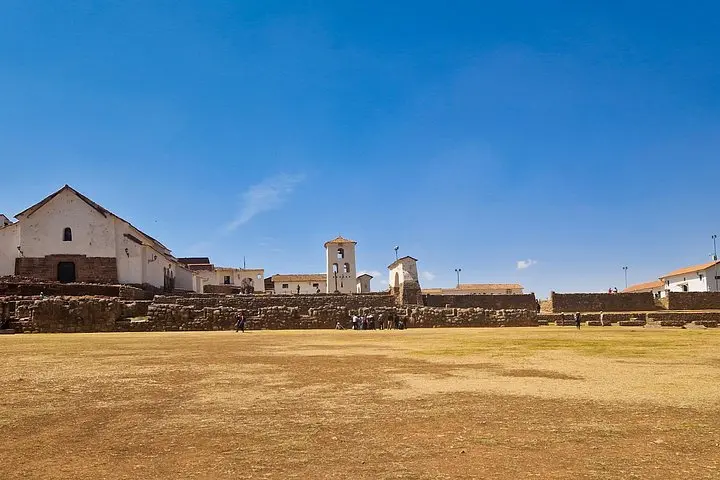
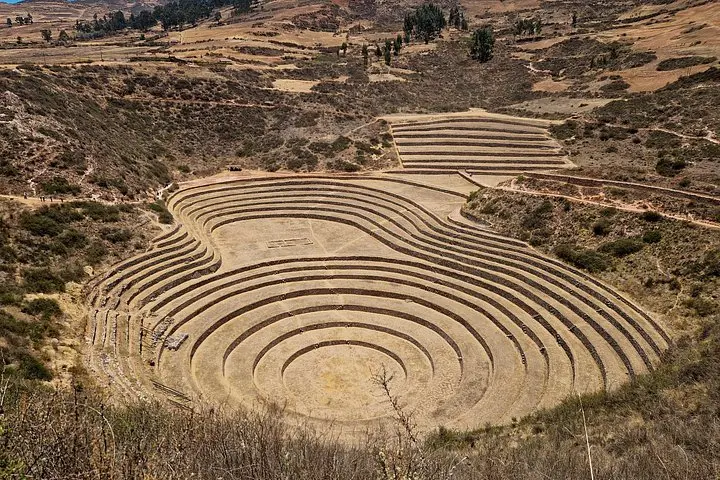
The full-day Sacred Valley tour strings five major sites into a single route: Chinchero’s living textile traditions and colonial church; the concentric agricultural bowls of Moray; the salt evaporation pools of Maras; the fortress-town of Ollantaytambo with its steep terraces; and Pisac’s cliffside ruins and irrigation channels. Geologically the valley is a highland corridor carved by rivers and glacial action, creating steep terraces and fertile microclimates the Incas optimized for crops.
Culturally, expect active Quechua communities—markets, woven garments, and smallholder fields that still follow ancient patterns. Moray demonstrates purposeful microclimate engineering, while Maras illustrates a pre-Columbian salt economy still managed by local families.
Practical guidance: the loop is long—plan on a 10–12 hour day with multiple short walks on uneven stonework and cobbled streets. Altitude reaches ~3,300–3,500 m; acclimatize in Cusco for 48 hours if possible. Wear sturdy walking shoes, sun protection, and layered clothing for variable highland sun and cool afternoons. Bring local currency for small market purchases and restroom fees. Photographs are plentiful but respect sites and vendors—ask before photographing people. If you want more time at a single site, consider staying overnight in Ollantaytambo to split the route and soak in the valley at a slower pace.
Check your booking—this tour lists transportation, a guide and lunch as included; entrance fees and the Cusco Tourist Ticket may not be covered and are sometimes collected at sites.
The full itinerary runs about 10–12 hours with pickup in central Cusco and returns to the main square at the end of the day.
Yes—physically it’s rated easy-to-moderate, but the day is long and altitude can affect older adults and young children; plan rests and consult a doctor if you have concerns.
Yes—April through October is the dry high-season and tours fill quickly; book ahead if traveling in those months.
MC Peru Expeditions operates guided outdoor trips and adventures with an emphasis on safety, stewardship, and memorable experiences.
You step out of Cusco’s thin air into a valley that opens like a ledger of Inca ingenuity—the road drops, terraced slopes rise, and the Andes push the sky into sharp ridgelines.
You step out of Cusco’s thin air into a valley that opens like a ledger of Inca ingenuity—the road drops, terraced slopes rise, and the Andes push the sky into sharp ridgelines.
The full-day Sacred Valley tour strings five major sites into a single route: Chinchero’s living textile traditions and colonial church; the concentric agricultural bowls of Moray; the salt evaporation pools of Maras; the fortress-town of Ollantaytambo with its steep terraces; and Pisac’s cliffside ruins and irrigation channels. Geologically the valley is a highland corridor carved by rivers and glacial action, creating steep terraces and fertile microclimates the Incas optimized for crops.
Culturally, expect active Quechua communities—markets, woven garments, and smallholder fields that still follow ancient patterns. Moray demonstrates purposeful microclimate engineering, while Maras illustrates a pre-Columbian salt economy still managed by local families.
Practical guidance: the loop is long—plan on a 10–12 hour day with multiple short walks on uneven stonework and cobbled streets. Altitude reaches ~3,300–3,500 m; acclimatize in Cusco for 48 hours if possible. Wear sturdy walking shoes, sun protection, and layered clothing for variable highland sun and cool afternoons. Bring local currency for small market purchases and restroom fees. Photographs are plentiful but respect sites and vendors—ask before photographing people. If you want more time at a single site, consider staying overnight in Ollantaytambo to split the route and soak in the valley at a slower pace.