THE ADVENTURE COLLECTIVE® · Independent discovery and booking for outdoor travel

Spend a full day tracing Inca engineering, textile traditions and market life through the Sacred Valley. This guided loop visits Pisac’s terraces and crafts, a buffet lunch in Urubamba, Ollantaytambo’s fortress, and the Chinchero viewpoint.
Spend a full day tracing Inca engineering, textile traditions and market life through the Sacred Valley. This guided loop visits Pisac’s terraces and crafts, a buffet lunch in Urubamba, Ollantaytambo’s fortress, and the Chinchero viewpoint.
A pre-dawn pickup from Cusco feels like stepping into another rhythm: diesel buses hum awake, and the road drops into a green trough carved by the Urubamba River. As you pass scrubby hills and irrigated terraces, the valley opens—stone walls and stepped fields climbing like a challenge daring you to follow higher.
Verified experiences and guided adventures in the surrounding area.
Operated by Eco Tour Cusco · Urubamba, Cusco
A pre-dawn pickup from Cusco feels like stepping into another rhythm: diesel buses hum awake, and the road drops into a green trough carved by the Urubamba River. As you pass scrubby hills and irrigated terraces, the valley opens—stone walls and stepped fields climbing like a challenge daring you to follow higher.
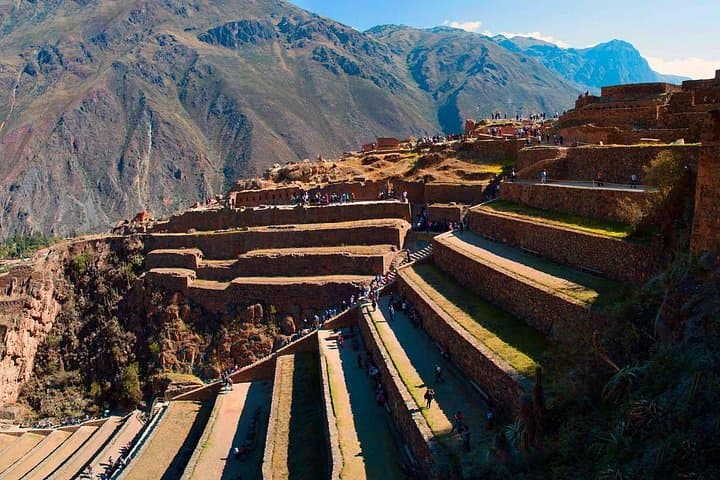
This landscape was the agricultural engine of the Inca world. Terraces cling to steep slopes, engineered with drainage and microclimates to grow maize and potatoes at different elevations. Ollantaytambo reads like a military plan: massive polygonal stones and narrow streets that funnel movement. Pisac’s high terraces frame sweeping views and a lively craft market below where weavers still dye alpaca wool with mountain-grown plants.
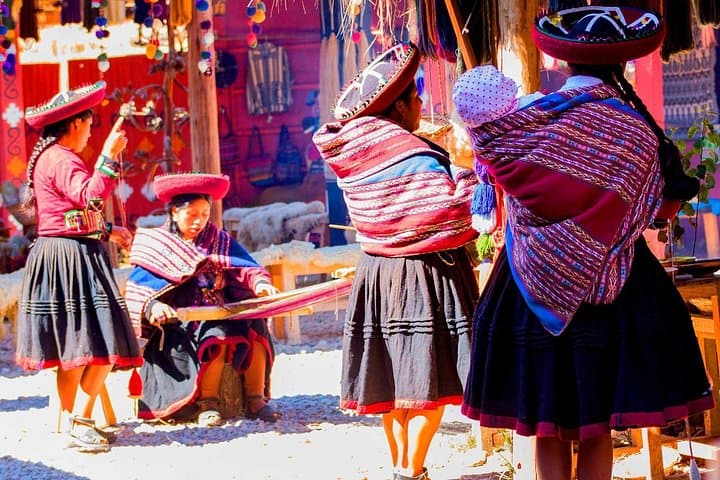
Geology here is blunt: glacial sculpting left wide U-shaped valleys and fast rivers that have long determined human settlement. Culturally, Chinchero is a loom and a ceremony—textile demonstrations and traditional dress are common, though the archaeological complex is sometimes closed by timed-entry rules.
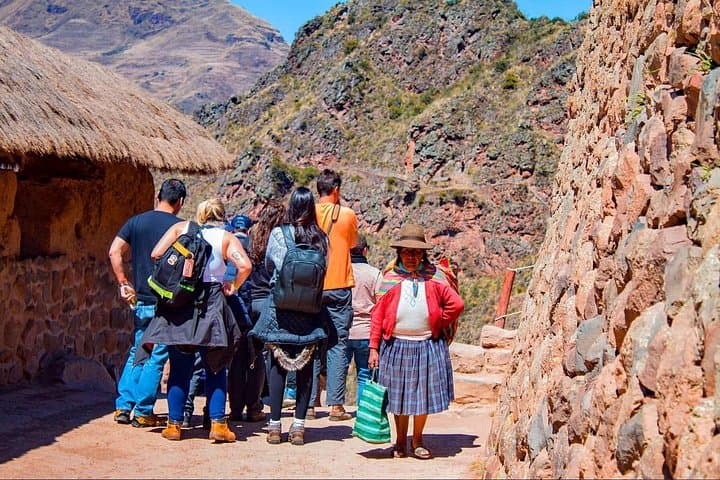
Expect an 11-hour day with multiple stops: a guided walk through Pisac’s ruins, buffet lunch in Urubamba, exploration of Ollantaytambo, and a viewpoint stop at Chinchero. Terrain is mixed—paved village streets, uneven Inca stonework, and steep steps. Altitude ranges from roughly 2,900 to 3,800 m, so move deliberately.
Practical edge: carry cash (soles) for local entry fees and markets, wear grippy shoes and layered clothing, bring sun protection and water. The tour is interpretive and transport-based—great for a one-day introduction to the Sacred Valley’s history, geology, and living Andean culture.
Yes—Pisac is covered by the regional tourist ticket (Boleto Turístico) which can be bought in Cusco or at the site in soles; bring cash.
Many visitors feel mild symptoms at 3,000–3,800 m; acclimatize in Cusco for 24–48 hours, stay hydrated, and consider coca tea or consulting a doctor about preventative medication.
Yes—the itinerary allows about 90 minutes in Ollantaytambo to explore terraces, the archaeological site and the village streets, but time is limited.
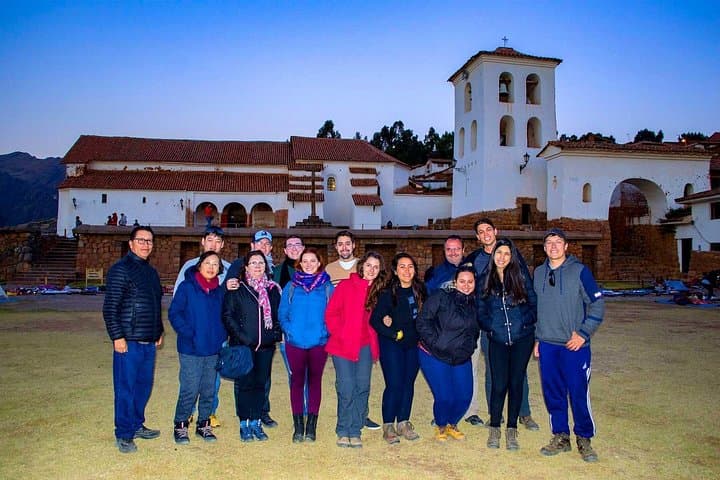
The tour stops at a Chinchero viewpoint; access to the Chinchero archaeological complex is often restricted by timed-entry rules and may not be included.
Eco Tour Cusco operates guided outdoor trips and adventures with an emphasis on safety, stewardship, and memorable experiences.
A pre-dawn pickup from Cusco feels like stepping into another rhythm: diesel buses hum awake, and the road drops into a green trough carved by the Urubamba River. As you pass scrubby hills and irrigated terraces, the valley opens—stone walls and stepped fields climbing like a challenge daring you to follow higher.
A pre-dawn pickup from Cusco feels like stepping into another rhythm: diesel buses hum awake, and the road drops into a green trough carved by the Urubamba River. As you pass scrubby hills and irrigated terraces, the valley opens—stone walls and stepped fields climbing like a challenge daring you to follow higher.
This landscape was the agricultural engine of the Inca world. Terraces cling to steep slopes, engineered with drainage and microclimates to grow maize and potatoes at different elevations. Ollantaytambo reads like a military plan: massive polygonal stones and narrow streets that funnel movement. Pisac’s high terraces frame sweeping views and a lively craft market below where weavers still dye alpaca wool with mountain-grown plants.
Geology here is blunt: glacial sculpting left wide U-shaped valleys and fast rivers that have long determined human settlement. Culturally, Chinchero is a loom and a ceremony—textile demonstrations and traditional dress are common, though the archaeological complex is sometimes closed by timed-entry rules.
Expect an 11-hour day with multiple stops: a guided walk through Pisac’s ruins, buffet lunch in Urubamba, exploration of Ollantaytambo, and a viewpoint stop at Chinchero. Terrain is mixed—paved village streets, uneven Inca stonework, and steep steps. Altitude ranges from roughly 2,900 to 3,800 m, so move deliberately.
Practical edge: carry cash (soles) for local entry fees and markets, wear grippy shoes and layered clothing, bring sun protection and water. The tour is interpretive and transport-based—great for a one-day introduction to the Sacred Valley’s history, geology, and living Andean culture.