THE ADVENTURE COLLECTIVE® · Independent discovery and booking for outdoor travel

A full-day circuit from Cusco through Pisac, Ollantaytambo and Chinchero where Inca terraces, living stone towns and textile traditions reveal how people shaped the valley. This guide covers what to expect, practical tips, and seasonal considerations.
A full-day circuit from Cusco through Pisac, Ollantaytambo and Chinchero where Inca terraces, living stone towns and textile traditions reveal how people shaped the valley. This guide covers what to expect, practical tips, and seasonal considerations.
Mornings in the Sacred Valley open with cool air that pushes up from the river and sunlight that slashes terraces into bright staircases. On this full-day loop from Cusco, travelers move from a bustling Andean market into high terraces where stone walls and water channels still do the work of centuries-old engineers.
Verified experiences and guided adventures in the surrounding area.
Operated by Terranova explorer · Ollantaytambo, Cusco Region
Mornings in the Sacred Valley open with cool air that pushes up from the river and sunlight that slashes terraces into bright staircases. On this full-day loop from Cusco, travelers move from a bustling Andean market into high terraces where stone walls and water channels still do the work of centuries-old engineers.
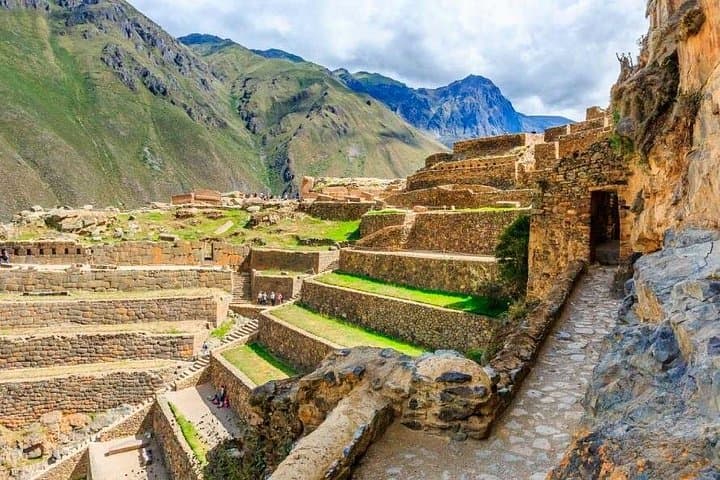
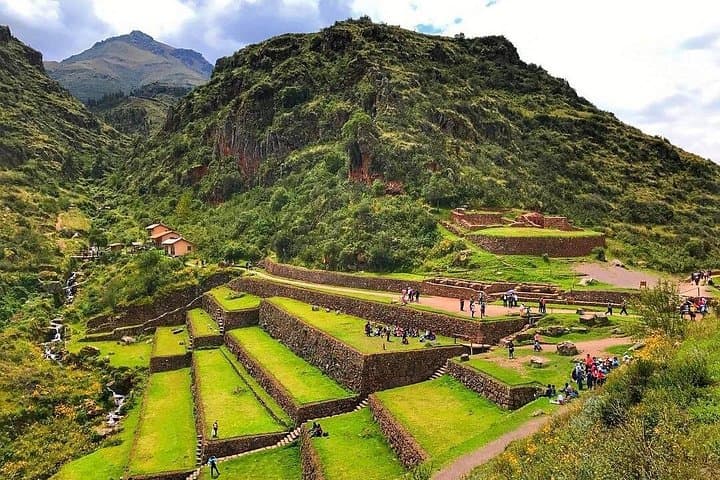
Pisac’s market is loud with handwoven patterns and the smell of frying corn; the town’s ruins climb the ridge above, an agricultural laboratory of terraces and fountains the Incas used to tame slope and season. Geologically the valley is a river-cut corridor between the high eastern cordillera and the altiplano—erosion and uplift left steep slopes ideal for the stepped fields you’ll see. At Ollantaytambo, living Inca architecture remains inhabited, and the Temple of the Sun’s enormous carved stones hint at construction skill and community organization. Chinchero focuses on textile culture: dyeing and weaving alpaca fibers links present-day families to a sustained craft economy.
Expect a long, high day: 9–10 hours with multiple short walks, some uneven stone steps, and time spent standing during explanations. Practicalities matter—bring sunscreen and water, dress in layers for sun and chilly breezes, and budget for the General Tourist Ticket that covers site entries. Guides will handle transport and logistics; travelers should be acclimatized to altitude and prepared for a full day of cultural immersion.
No. The General Tourist Ticket (Boleto Turístico) that grants access to most Sacred Valley sites is not included and should be purchased separately.
The tour is long (9–10 hours) with multiple short walks and uneven stone steps; it’s classified as moderate and requires comfort with altitude and stair climbing.
Yes—pickup from hotels in the historic center of Cusco is usually arranged; if you are outside the center, a meeting point in Plaza de Armas may be used.
Yes. Chinchero includes visits to textile workshops where artisans demonstrate dyeing and alpaca weaving techniques and offer items for sale.
Terranova explorer operates guided outdoor trips and adventures with an emphasis on safety, stewardship, and memorable experiences.
Mornings in the Sacred Valley open with cool air that pushes up from the river and sunlight that slashes terraces into bright staircases. On this full-day loop from Cusco, travelers move from a bustling Andean market into high terraces where stone walls and water channels still do the work of centuries-old engineers.
Mornings in the Sacred Valley open with cool air that pushes up from the river and sunlight that slashes terraces into bright staircases. On this full-day loop from Cusco, travelers move from a bustling Andean market into high terraces where stone walls and water channels still do the work of centuries-old engineers.
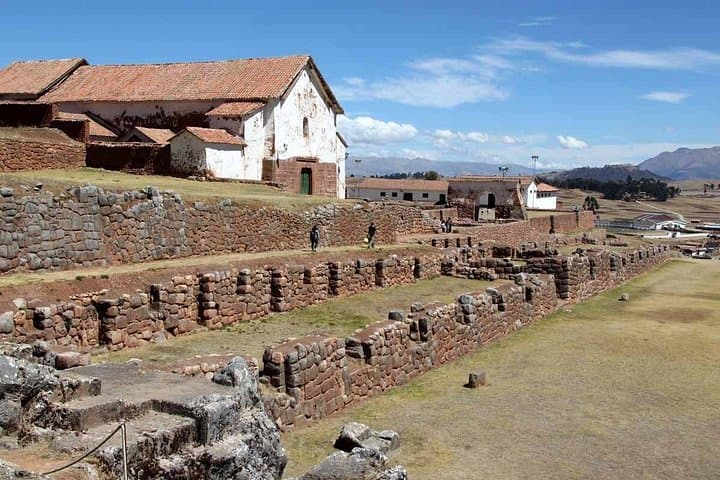
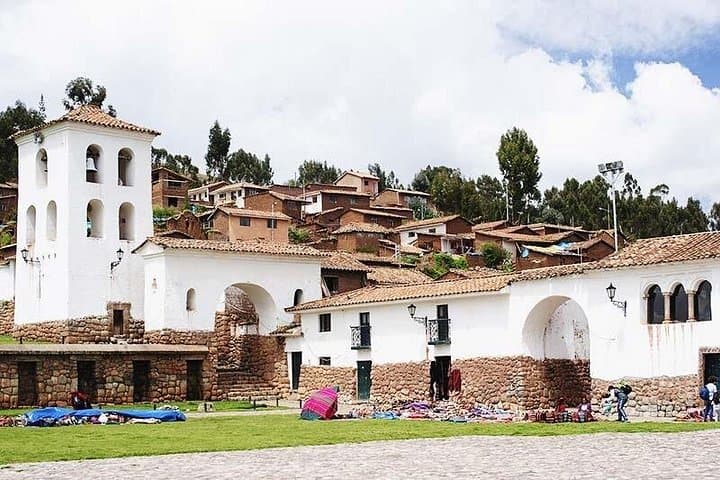
Pisac’s market is loud with handwoven patterns and the smell of frying corn; the town’s ruins climb the ridge above, an agricultural laboratory of terraces and fountains the Incas used to tame slope and season. Geologically the valley is a river-cut corridor between the high eastern cordillera and the altiplano—erosion and uplift left steep slopes ideal for the stepped fields you’ll see. At Ollantaytambo, living Inca architecture remains inhabited, and the Temple of the Sun’s enormous carved stones hint at construction skill and community organization. Chinchero focuses on textile culture: dyeing and weaving alpaca fibers links present-day families to a sustained craft economy.
Expect a long, high day: 9–10 hours with multiple short walks, some uneven stone steps, and time spent standing during explanations. Practicalities matter—bring sunscreen and water, dress in layers for sun and chilly breezes, and budget for the General Tourist Ticket that covers site entries. Guides will handle transport and logistics; travelers should be acclimatized to altitude and prepared for a full day of cultural immersion.