THE ADVENTURE COLLECTIVE® · Independent discovery and booking for outdoor travel

Drive the Urubamba corridor for a day of high terraces, living weaving traditions, and the monumental stonework of Ollantaytambo. This guided small-group tour links Pisac, Chincheros, Urubamba and Ollantaytambo with hotel pickup and the option to connect to the train for Machu Picchu.
Drive the Urubamba corridor for a day of high terraces, living weaving traditions, and the monumental stonework of Ollantaytambo. This guided small-group tour links Pisac, Chincheros, Urubamba and Ollantaytambo with hotel pickup and the option to connect to the train for Machu Picchu.
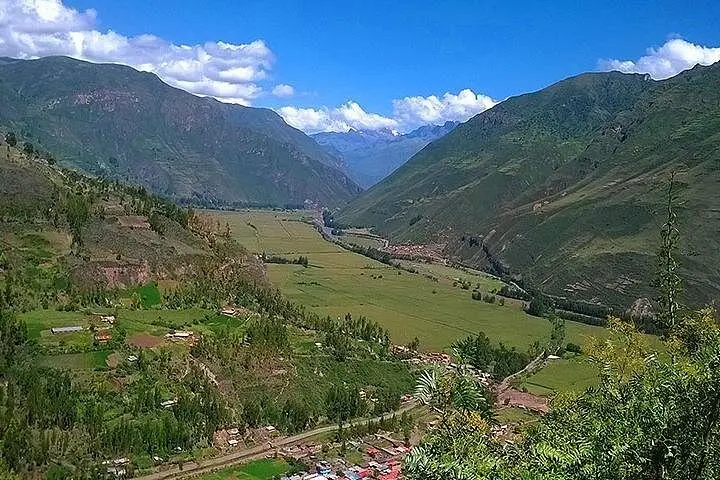
Morning light slices across the Urubamba River as the van winds out of Cusco and the valley opens—steep cobbled terraces rise like steps cut into the earth, llamas pick their way along roadside pastures, and the Andes press in from both sides.
Verified experiences and guided adventures in the surrounding area.
Operated by Machupicchu Latin America · Pisac / Ollantaytambo, Cusco Region
Morning light slices across the Urubamba River as the van winds out of Cusco and the valley opens—steep cobbled terraces rise like steps cut into the earth, llamas pick their way along roadside pastures, and the Andes press in from both sides.
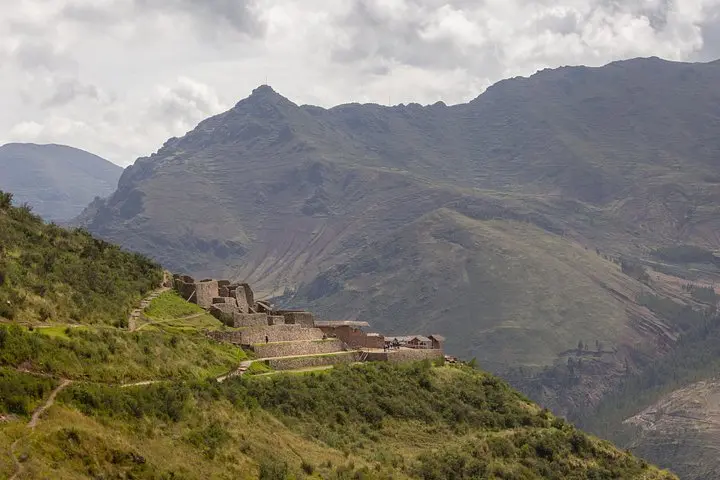
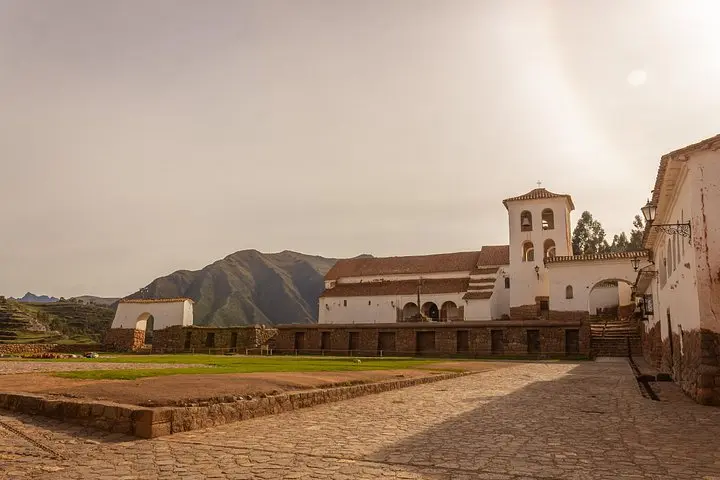
This full-day route threads together classic Inca sites and living Quechua culture: Pisac’s high terraces and temple clusters overlooking the valley, the market and textile demonstrations at Chincheros, and the rock-carved citadel of Ollantaytambo. Geologically the valley is a fluvial corridor carved by the Urubamba, with exposed granite outcrops and engineered terrace benches that reduced erosion and created microclimates for maize and potato cultivation.
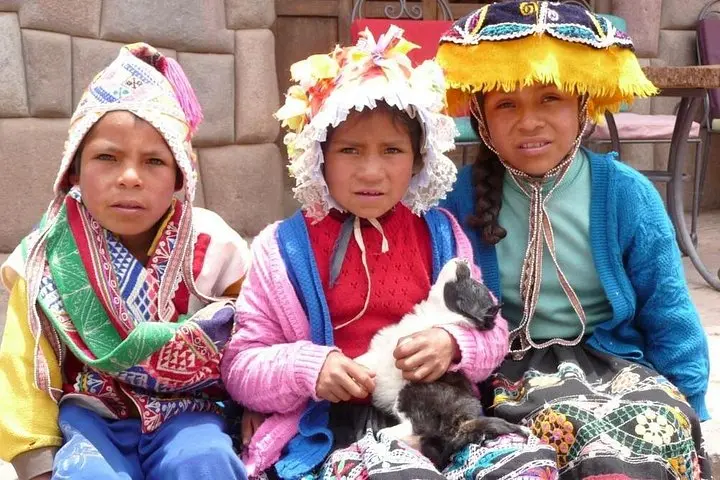
Culturally, the route connects ancient agricultural innovation and modern weaving practices; many families still dye wool with natural pigments and follow seasonal planting calendars that date to pre-Columbian times. Travelers encounter handwoven textiles, open-air markets, and stone stairways that climb 100–200 vertical meters between plaza and high terraces.
Practically: expect multiple short walks on uneven stone steps and dirt paths at 2,800–3,300 m elevation, several photo stops, and a lunch break in Urubamba. The tour runs as a small group with bilingual guide, includes hotel pickup, bottled water, and the option to finish at Ollantaytambo train station to continue to Aguas Calientes.
Bring sturdy shoes, sun protection, and extra layers for cooling winds; move deliberately on the ancient stonework and allow time to acclimatize in Cusco before the day—altitude, not distance, is the biggest challenge here.
Yes—a current valid passport is required on the day of travel and should be carried with you for verification.
Yes—there is an option to end the tour at Ollantaytambo train station around 3:00–4:00pm so you can connect to Aguas Calientes.
The tour is marketed as suitable for all fitness levels, but ruins include uneven steps; strollers may work in town areas but expect limited access at archaeological sites.
Admission is not included in the standard inclusions—confirm with the operator whether your itinerary covers site fees before departure.
Machupicchu Latin America operates guided outdoor trips and adventures with an emphasis on safety, stewardship, and memorable experiences.
Morning light slices across the Urubamba River as the van winds out of Cusco and the valley opens—steep cobbled terraces rise like steps cut into the earth, llamas pick their way along roadside pastures, and the Andes press in from both sides.
Morning light slices across the Urubamba River as the van winds out of Cusco and the valley opens—steep cobbled terraces rise like steps cut into the earth, llamas pick their way along roadside pastures, and the Andes press in from both sides.
This full-day route threads together classic Inca sites and living Quechua culture: Pisac’s high terraces and temple clusters overlooking the valley, the market and textile demonstrations at Chincheros, and the rock-carved citadel of Ollantaytambo. Geologically the valley is a fluvial corridor carved by the Urubamba, with exposed granite outcrops and engineered terrace benches that reduced erosion and created microclimates for maize and potato cultivation.
Culturally, the route connects ancient agricultural innovation and modern weaving practices; many families still dye wool with natural pigments and follow seasonal planting calendars that date to pre-Columbian times. Travelers encounter handwoven textiles, open-air markets, and stone stairways that climb 100–200 vertical meters between plaza and high terraces.
Practically: expect multiple short walks on uneven stone steps and dirt paths at 2,800–3,300 m elevation, several photo stops, and a lunch break in Urubamba. The tour runs as a small group with bilingual guide, includes hotel pickup, bottled water, and the option to finish at Ollantaytambo train station to continue to Aguas Calientes.
Bring sturdy shoes, sun protection, and extra layers for cooling winds; move deliberately on the ancient stonework and allow time to acclimatize in Cusco before the day—altitude, not distance, is the biggest challenge here.