THE ADVENTURE COLLECTIVE® · Independent discovery and booking for outdoor travel

Spend a full day exploring the Sacred Valley’s Inca sites — Pisaq’s terraces, the living fortress of Ollantaytambo and lively artisan markets — with guided interpretation and a local lunch. Ideal for travelers acclimated to altitude and ready to walk stone stairways and village streets.
Spend a full day exploring the Sacred Valley’s Inca sites — Pisaq’s terraces, the living fortress of Ollantaytambo and lively artisan markets — with guided interpretation and a local lunch. Ideal for travelers acclimated to altitude and ready to walk stone stairways and village streets.
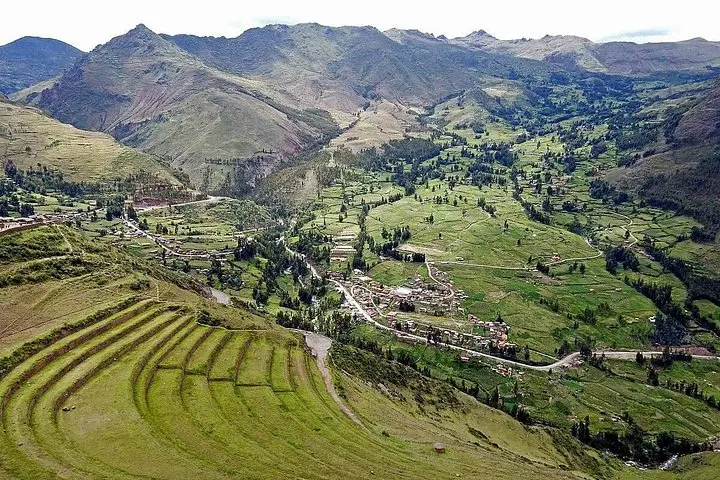
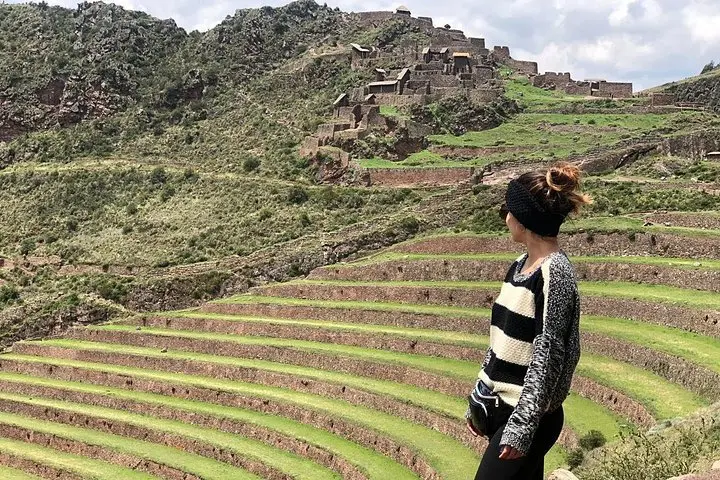
You step out of the vehicle into thin, bright air and the valley opens — terraces stair-stepping down to rivers that hurry like conversation. The tour threads between high viewpoints and stone towns, dropping you among the Inca works at Pisaq and the living fortress of Ollantaytambo, with a market lunch break that lets the valley’s flavors speak for themselves.
Verified experiences and guided adventures in the surrounding area.
Operated by Apu Andino Travel Peru · Sacred Valley (Ollantaytambo / Pisaq), Cusco Region
You step out of the vehicle into thin, bright air and the valley opens — terraces stair-stepping down to rivers that hurry like conversation. The tour threads between high viewpoints and stone towns, dropping you among the Inca works at Pisaq and the living fortress of Ollantaytambo, with a market lunch break that lets the valley’s flavors speak for themselves.
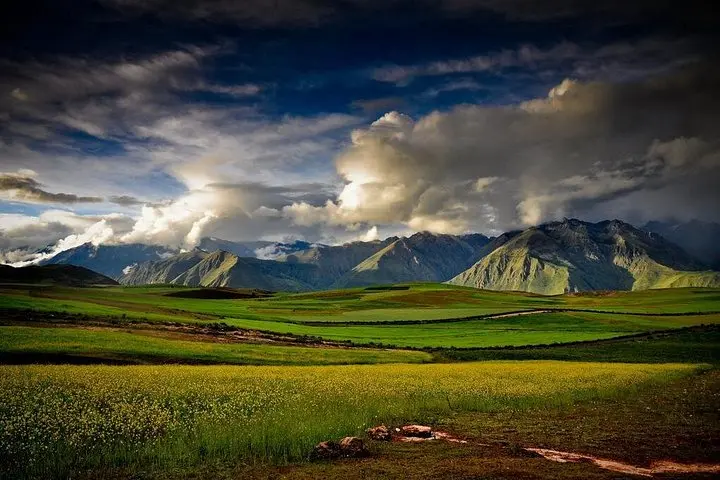
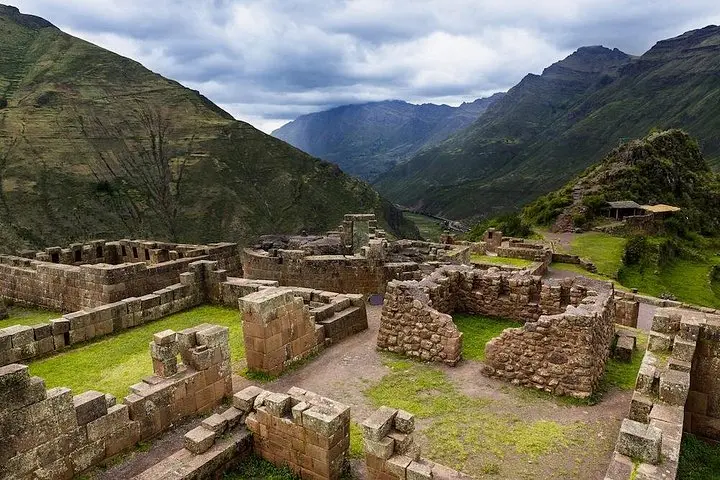
The Sacred Valley was the agricultural engine of the Inca state. Its broad floodplain, warmed by low-angle sun and watered by tributaries of the Urubamba, supported terraces, storage houses and ceremonial centers. Pisaq’s hilltop terraces and cemetery speak to careful land use; Ollantaytambo’s massive stone blocks and street plan preserve an urban layout still inhabited since the 15th century. Nearby geology — weathered volcanic and sedimentary formations carved by uplift and river incision — gives the valley its stepped slopes and fertile alluvium.
Expect a mix of paved roads, short steep paths and stone stairways; many stops include time to walk ruins and browse artisan stalls selling alpaca textiles and silverwork. Guides usually include lunch at a local restaurant to sample Andean fare.
Practical guidance: acclimate in Cusco for at least a day before this 10–11 hour tour, carry water and layers for strong sun and sharp cold, and wear grippy shoes for uneven steps. Bring small bills for market purchases and a lightweight daypack. Respect restricted areas at archaeological sites, support certified guides and plan arrival times — mornings are clearest for photos and afternoon light sharpens the stonework.
The tour runs about 10–11 hours; pickup typically begins 20–30 minutes before the advertised departure time—confirm your pickup point when booking.
This tour description indicates archaeological admissions are included for key sites—confirm with the operator at booking for any ticket changes.
Children must be accompanied by adults; the tour involves uneven steps and steep trails and is not recommended for travelers with serious mobility, spinal or cardiovascular issues.
Yes—Pisaq’s market offers textiles and crafts; bring small bills, inspect goods, and be prepared to haggle politely.
Apu Andino Travel Peru operates guided outdoor trips and adventures with an emphasis on safety, stewardship, and memorable experiences.
You step out of the vehicle into thin, bright air and the valley opens — terraces stair-stepping down to rivers that hurry like conversation. The tour threads between high viewpoints and stone towns, dropping you among the Inca works at Pisaq and the living fortress of Ollantaytambo, with a market lunch break that lets the valley’s flavors speak for themselves.
You step out of the vehicle into thin, bright air and the valley opens — terraces stair-stepping down to rivers that hurry like conversation. The tour threads between high viewpoints and stone towns, dropping you among the Inca works at Pisaq and the living fortress of Ollantaytambo, with a market lunch break that lets the valley’s flavors speak for themselves.
The Sacred Valley was the agricultural engine of the Inca state. Its broad floodplain, warmed by low-angle sun and watered by tributaries of the Urubamba, supported terraces, storage houses and ceremonial centers. Pisaq’s hilltop terraces and cemetery speak to careful land use; Ollantaytambo’s massive stone blocks and street plan preserve an urban layout still inhabited since the 15th century. Nearby geology — weathered volcanic and sedimentary formations carved by uplift and river incision — gives the valley its stepped slopes and fertile alluvium.
Expect a mix of paved roads, short steep paths and stone stairways; many stops include time to walk ruins and browse artisan stalls selling alpaca textiles and silverwork. Guides usually include lunch at a local restaurant to sample Andean fare.
Practical guidance: acclimate in Cusco for at least a day before this 10–11 hour tour, carry water and layers for strong sun and sharp cold, and wear grippy shoes for uneven steps. Bring small bills for market purchases and a lightweight daypack. Respect restricted areas at archaeological sites, support certified guides and plan arrival times — mornings are clearest for photos and afternoon light sharpens the stonework.