THE ADVENTURE COLLECTIVE® · Independent discovery and booking for outdoor travel

A single-day circuit through the Sacred Valley that pairs Inca agricultural genius at Moray with the salt pans of Maras and the stonework of Ollantaytambo. Expect short walks, dramatic terraces and a full day at altitude.
A single-day circuit through the Sacred Valley that pairs Inca agricultural genius at Moray with the salt pans of Maras and the stonework of Ollantaytambo. Expect short walks, dramatic terraces and a full day at altitude.
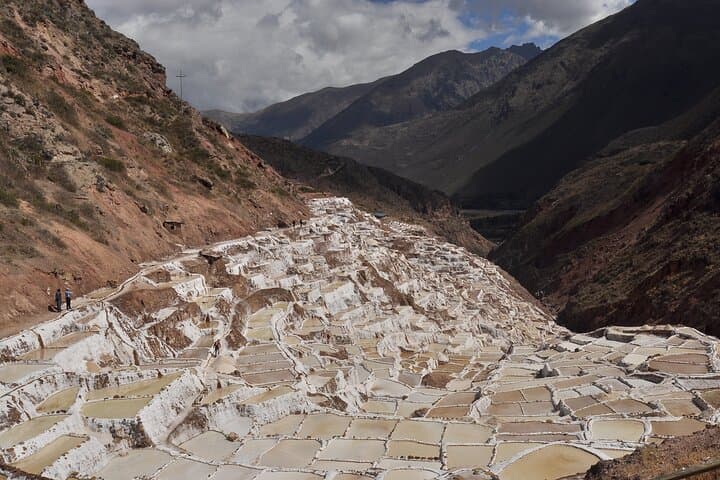
You step off the shuttle into air that feels thin and clear; high terraces carve the slopes like giant rings, and distant white pools glitter where salt has been harvested for centuries.
Verified experiences and guided adventures in the surrounding area.
Operated by Reservas Machupicchu Peru · Urubamba, Cusco
You step off the shuttle into air that feels thin and clear; high terraces carve the slopes like giant rings, and distant white pools glitter where salt has been harvested for centuries.
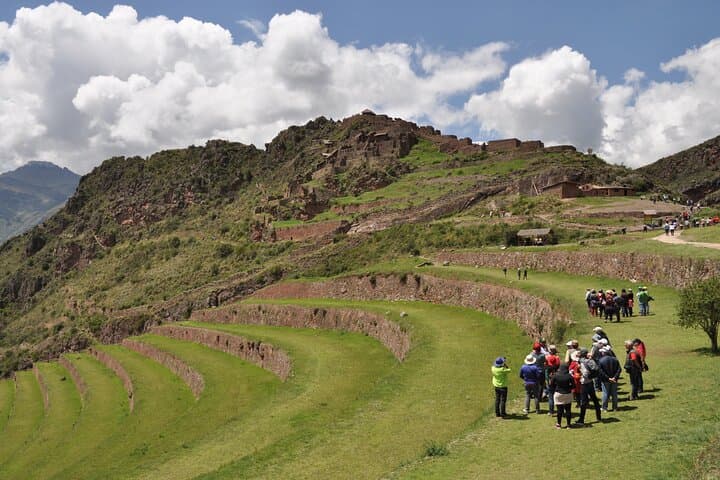
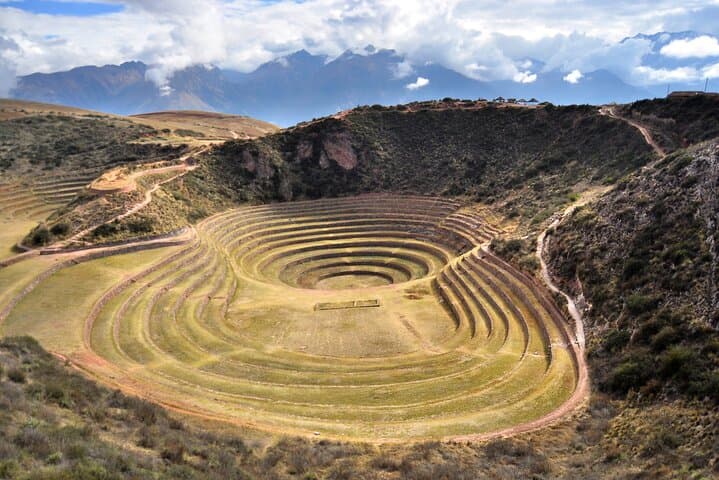
This full-day loop moves through the agricultural amphitheater of Moray, the high salt pans of Maras, the stone fortress of Ollantaytambo and the terraced cemetery and artisan streets of Pisaq. Moray’s concentric bowls are not decorative—they are an ancient experimental lab where the Inca tested microclimates by altitude and aspect. The valley itself is the product of Andean uplift and river incision; steep flanks, alluvial benches and engineered canals reveal how people shaped a difficult landscape to grow food.
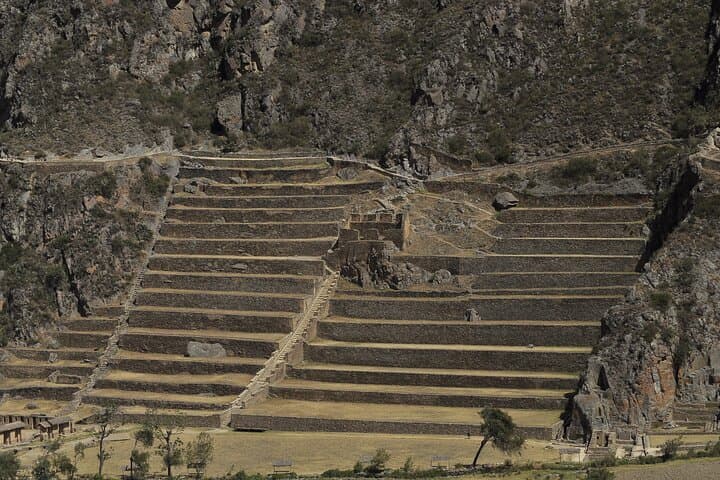
Along the route you’ll pass Quechua-speaking communities selling silverwork and textiles, taste a buffet lunch in Urubamba and walk short sections of uneven stone and dirt. Maras’ salt pans predate the Inca and still function as family-run evaporation pools. Ollantaytambo offers massive stonework and channels that demonstrate pre-Hispanic hydraulic skill; Pisaq’s market preserves craft traditions that feed the valley economy.
Practical notes: the day lasts about seven to eight hours with multiple short on-foot stops—plan for moderate exertion mainly due to altitude rather than steep climbs. Hydrate and spend a day in Cusco first to acclimatize. Sun is intense at 3,300–3,700 m; layers handle morning chill and strong midday sun. Carry small bills for entry fees or purchases, wear grippy shoes for terraces, and be respectful when photographing people and sacred sites. This route delivers cultural depth and big Andean scenery in a single, manageable day.
The tour runs about 7–8 hours and typically visits Moray, Maras salt pans, Urubamba (lunch), Ollantaytambo and Pisaq (market and ruins).
Lunch buffet and entry to advertised archaeological sites are usually included, though small local fees (e.g., Maras salt) may be extra—confirm with the operator.
Yes—altitude (3,300–3,700 m) can affect visitors; plan to acclimatize in Cusco, hydrate, avoid alcohol before the tour, and ask your guide about oxygen if needed.
Short walks are required at several sites and terrain is uneven; the tour is family-friendly for children who can manage steps, but not ideal for those with serious mobility limitations.
Reservas Machupicchu Peru operates guided outdoor trips and adventures with an emphasis on safety, stewardship, and memorable experiences.
You step off the shuttle into air that feels thin and clear; high terraces carve the slopes like giant rings, and distant white pools glitter where salt has been harvested for centuries.
You step off the shuttle into air that feels thin and clear; high terraces carve the slopes like giant rings, and distant white pools glitter where salt has been harvested for centuries.
This full-day loop moves through the agricultural amphitheater of Moray, the high salt pans of Maras, the stone fortress of Ollantaytambo and the terraced cemetery and artisan streets of Pisaq. Moray’s concentric bowls are not decorative—they are an ancient experimental lab where the Inca tested microclimates by altitude and aspect. The valley itself is the product of Andean uplift and river incision; steep flanks, alluvial benches and engineered canals reveal how people shaped a difficult landscape to grow food.
Along the route you’ll pass Quechua-speaking communities selling silverwork and textiles, taste a buffet lunch in Urubamba and walk short sections of uneven stone and dirt. Maras’ salt pans predate the Inca and still function as family-run evaporation pools. Ollantaytambo offers massive stonework and channels that demonstrate pre-Hispanic hydraulic skill; Pisaq’s market preserves craft traditions that feed the valley economy.
Practical notes: the day lasts about seven to eight hours with multiple short on-foot stops—plan for moderate exertion mainly due to altitude rather than steep climbs. Hydrate and spend a day in Cusco first to acclimatize. Sun is intense at 3,300–3,700 m; layers handle morning chill and strong midday sun. Carry small bills for entry fees or purchases, wear grippy shoes for terraces, and be respectful when photographing people and sacred sites. This route delivers cultural depth and big Andean scenery in a single, manageable day.