THE ADVENTURE COLLECTIVE® · Independent discovery and booking for outdoor travel

A single-day loop through the Sacred Valley that blends living Andean culture, Inca agricultural genius and cliffside salt pans. Expect textile demonstrations, concentric terraces at Moray, the salt ponds of Maras and the stone citadel of Ollantaytambo on a full-day itinerary from Cusco.
A single-day loop through the Sacred Valley that blends living Andean culture, Inca agricultural genius and cliffside salt pans. Expect textile demonstrations, concentric terraces at Moray, the salt ponds of Maras and the stone citadel of Ollantaytambo on a full-day itinerary from Cusco.
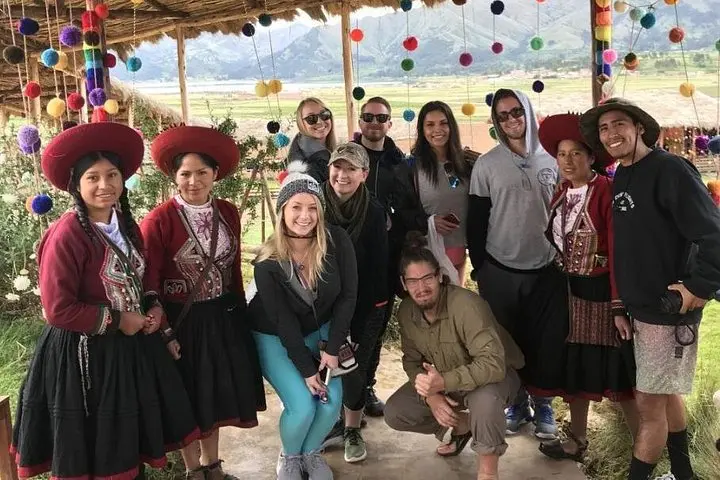
You step out of a small van and the air tastes thin and dry; terraces cut into the hills roll away toward snow-capped Andean ridges and a village elder greets your group with a practiced, friendly nod. The road from Cusco unspools through high-altitude farmland, and within an hour you’re at Chinchero watching women dye fibers with cochineal and natural plants, fingers moving like a practiced percussion.
Verified experiences and guided adventures in the surrounding area.
Operated by Visit South America · Ollantaytambo, Cusco
You step out of a small van and the air tastes thin and dry; terraces cut into the hills roll away toward snow-capped Andean ridges and a village elder greets your group with a practiced, friendly nod. The road from Cusco unspools through high-altitude farmland, and within an hour you’re at Chinchero watching women dye fibers with cochineal and natural plants, fingers moving like a practiced percussion.
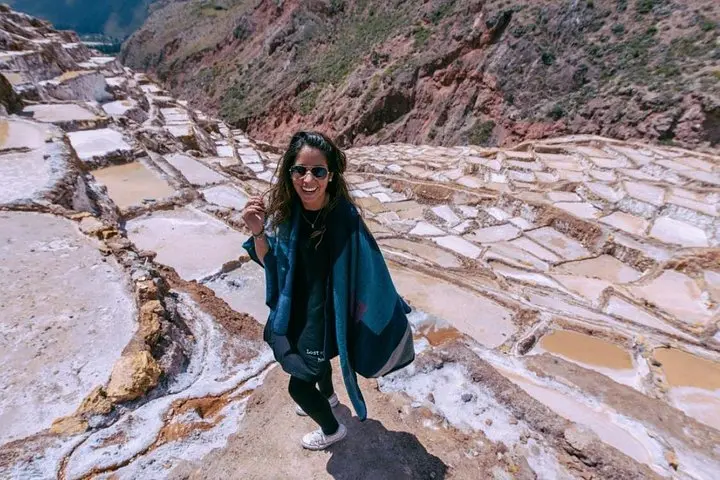
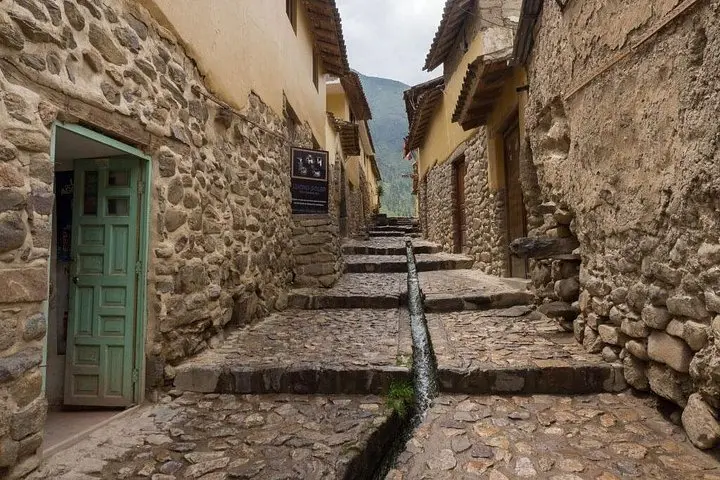
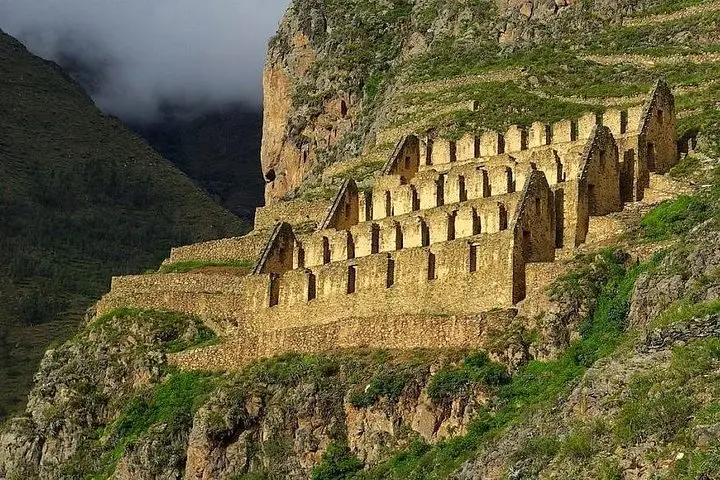
This loop visits distinct layers of Inca ingenuity: Moray’s concentric, amphitheater-like terraces—an experimental agricultural lab where microclimates were tested—followed by the mirror-like salt pans of Maras that cascade down a slope and reflect sky and stone. Ollantaytambo’s citadel closes the day with its massive stonework, steep terraces and narrow streets that still host traditional markets.
Geology here is a dialogue between uplifted volcanic rock and the sculpting work of millennia of farmers; culture is living, not museum-pinned—textile techniques, local chicha brewing, and daily market life persist in the same places the Incas organized landscape productivity.
Practical edge: expect a full 8–9 hour day with multiple short walks, steep stone steps and altitudes often above 3,300 m (10,800 ft). Hydrate well, move slowly on acclimation days, and allow extra time for photos and small purchases. Guides usually include transport, bilingual narration and first aid; entrance fees may be separate. Plan for sun, wind and sudden weather changes—layers and sturdy shoes make the difference between a long day and an unforgettable one.
Many operators include transport and guiding but not all archaeological entrance fees; confirm when booking and carry cash or card as the operator specifies.
Expect several short walks of 15–40 minutes: terraces and viewpoints require navigating stairs and uneven paths, but no technical hiking is needed.
Yes—it's rated easy and suitable for varied fitness levels but altitude can affect children and seniors; consult a doctor if there are respiratory or heart concerns.
Photography is welcomed; some operators offer an on-tour professional photographer if arranged in advance—confirm availability and cost at booking.
Visit South America operates guided outdoor trips and adventures with an emphasis on safety, stewardship, and memorable experiences.
You step out of a small van and the air tastes thin and dry; terraces cut into the hills roll away toward snow-capped Andean ridges and a village elder greets your group with a practiced, friendly nod. The road from Cusco unspools through high-altitude farmland, and within an hour you’re at Chinchero watching women dye fibers with cochineal and natural plants, fingers moving like a practiced percussion.
You step out of a small van and the air tastes thin and dry; terraces cut into the hills roll away toward snow-capped Andean ridges and a village elder greets your group with a practiced, friendly nod. The road from Cusco unspools through high-altitude farmland, and within an hour you’re at Chinchero watching women dye fibers with cochineal and natural plants, fingers moving like a practiced percussion.
This loop visits distinct layers of Inca ingenuity: Moray’s concentric, amphitheater-like terraces—an experimental agricultural lab where microclimates were tested—followed by the mirror-like salt pans of Maras that cascade down a slope and reflect sky and stone. Ollantaytambo’s citadel closes the day with its massive stonework, steep terraces and narrow streets that still host traditional markets.
Geology here is a dialogue between uplifted volcanic rock and the sculpting work of millennia of farmers; culture is living, not museum-pinned—textile techniques, local chicha brewing, and daily market life persist in the same places the Incas organized landscape productivity.
Practical edge: expect a full 8–9 hour day with multiple short walks, steep stone steps and altitudes often above 3,300 m (10,800 ft). Hydrate well, move slowly on acclimation days, and allow extra time for photos and small purchases. Guides usually include transport, bilingual narration and first aid; entrance fees may be separate. Plan for sun, wind and sudden weather changes—layers and sturdy shoes make the difference between a long day and an unforgettable one.