THE ADVENTURE COLLECTIVE® · Independent discovery and booking for outdoor travel

A practical, full-day tour from Cusco that pairs Pisac’s bustling market with the stonework and terraces of Ollantaytambo. Ideal for first-time visitors who want history, culture, and accessible hiking in one day.
A practical, full-day tour from Cusco that pairs Pisac’s bustling market with the stonework and terraces of Ollantaytambo. Ideal for first-time visitors who want history, culture, and accessible hiking in one day.
You step out of your hotel into the thin, cool air of Cusco as a coach hums toward the high valley. The road drops and rises through terraced slopes — agricultural benches that the Incas cut into the hillsides — and the valley opens like a map of stone and river. Your first stop is Pisac: a town where market stalls spill onto the plaza and local vendors haggle under tarps, while the ruins above hang like a series of stone steps holding the hillside.
Verified experiences and guided adventures in the surrounding area.
Operated by MAPI TOURS TRAVEL · Ollantaytambo, Cusco
You step out of your hotel into the thin, cool air of Cusco as a coach hums toward the high valley. The road drops and rises through terraced slopes — agricultural benches that the Incas cut into the hillsides — and the valley opens like a map of stone and river. Your first stop is Pisac: a town where market stalls spill onto the plaza and local vendors haggle under tarps, while the ruins above hang like a series of stone steps holding the hillside.
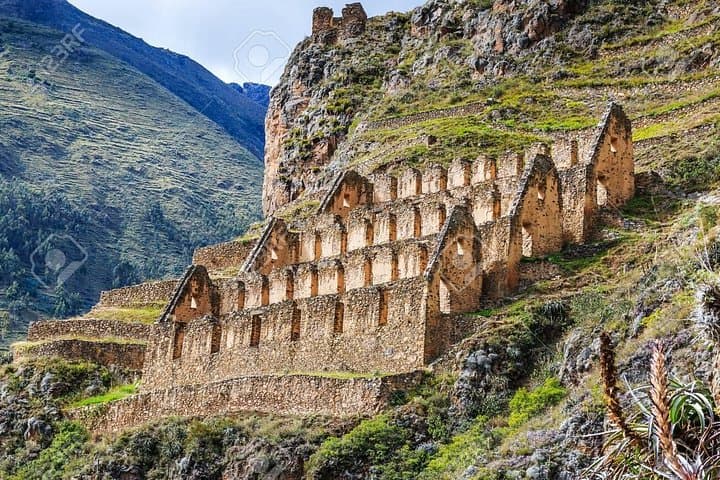
The Sacred Valley was the agricultural heartland of the Inca Empire; here the soil and the River Vilcanota fed towns and temples. Ollantaytambo’s fortress and the so-called Temple of the Sun showcase finely cut monoliths and massive terraces built to control erosion and ritual processions. Geology is visible in the gigantic andesite blocks and steep glacial-carved valleys that channel afternoon light into dramatic shadows.
Expect a blend of guided history, cultural exchange in Pisac’s artisan market, and a moderate climb of roughly 200 steps at Ollantaytambo for sweeping views. The pace is accessible for most visitors, though altitude and uneven stonework demand steady footwear and measured steps.
Practical tips: acclimatize in Cusco for 24–48 hours if possible, carry cash for market purchases, protect skin from strong high-altitude sun, and bring a light layer for cool highland breezes. Restroom facilities are available in towns but can be basic; bottled water is provided on this tour, and a passport is required for identification.
No — this tour provides transport and a guide; entrance fees to archaeological sites or peninsular complex tickets are typically purchased separately on-site.
The tour is suitable for most fitness levels, but expect stairs and uneven ground; travelers with serious mobility limitations should check ahead and consider local accessibility.
Yes — the tour requires a valid passport for identification, and you may be asked for it during pick-up or at checkpoints.
Yes — the itinerary includes a stop at the Pisac Indian Market with time to browse and buy; carry local currency for convenience.
MAPI TOURS TRAVEL operates guided outdoor trips and adventures with an emphasis on safety, stewardship, and memorable experiences.
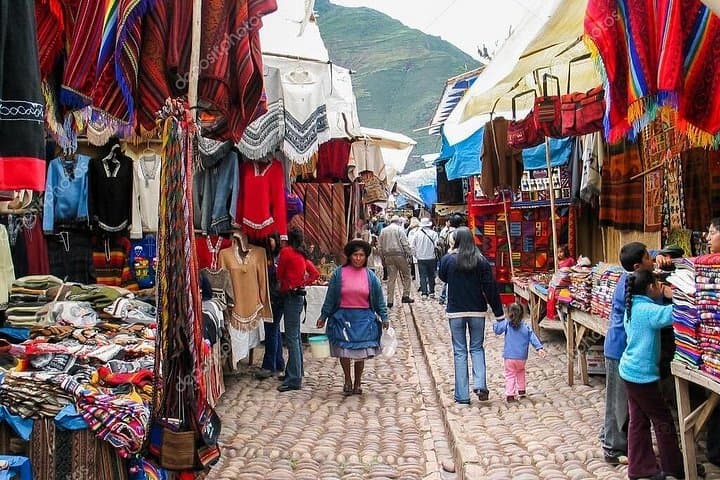

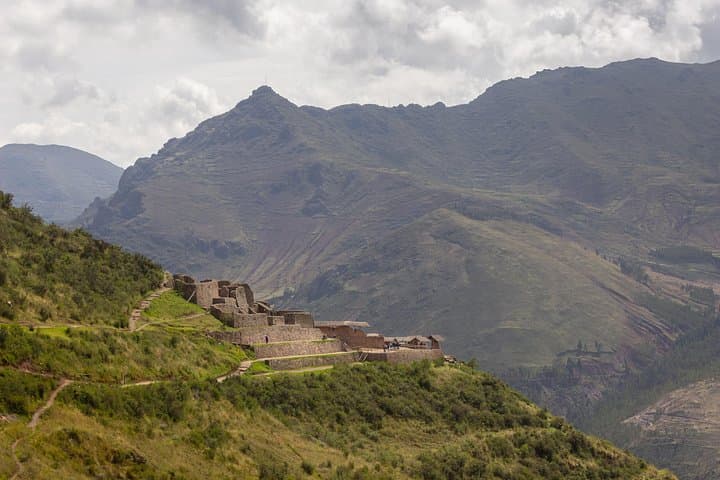
You step out of your hotel into the thin, cool air of Cusco as a coach hums toward the high valley. The road drops and rises through terraced slopes — agricultural benches that the Incas cut into the hillsides — and the valley opens like a map of stone and river. Your first stop is Pisac: a town where market stalls spill onto the plaza and local vendors haggle under tarps, while the ruins above hang like a series of stone steps holding the hillside.
You step out of your hotel into the thin, cool air of Cusco as a coach hums toward the high valley. The road drops and rises through terraced slopes — agricultural benches that the Incas cut into the hillsides — and the valley opens like a map of stone and river. Your first stop is Pisac: a town where market stalls spill onto the plaza and local vendors haggle under tarps, while the ruins above hang like a series of stone steps holding the hillside.
The Sacred Valley was the agricultural heartland of the Inca Empire; here the soil and the River Vilcanota fed towns and temples. Ollantaytambo’s fortress and the so-called Temple of the Sun showcase finely cut monoliths and massive terraces built to control erosion and ritual processions. Geology is visible in the gigantic andesite blocks and steep glacial-carved valleys that channel afternoon light into dramatic shadows.
Expect a blend of guided history, cultural exchange in Pisac’s artisan market, and a moderate climb of roughly 200 steps at Ollantaytambo for sweeping views. The pace is accessible for most visitors, though altitude and uneven stonework demand steady footwear and measured steps.
Practical tips: acclimatize in Cusco for 24–48 hours if possible, carry cash for market purchases, protect skin from strong high-altitude sun, and bring a light layer for cool highland breezes. Restroom facilities are available in towns but can be basic; bottled water is provided on this tour, and a passport is required for identification.