THE ADVENTURE COLLECTIVE® · Independent discovery and booking for outdoor travel

Walk through living Inca landscapes on a full-day loop from Cusco to Chinchero, Moray’s experimental terraces, the Maras salt pans and the citadel of Ollantaytambo. Expect high-elevation short walks, cultural exchanges with local weavers, and dramatic stonework.
Walk through living Inca landscapes on a full-day loop from Cusco to Chinchero, Moray’s experimental terraces, the Maras salt pans and the citadel of Ollantaytambo. Expect high-elevation short walks, cultural exchanges with local weavers, and dramatic stonework.
A thin Andean wind carries the smell of earth and hot corn as the tour vehicle threads the high valley from Cusco toward Chinchero.
Verified experiences and guided adventures in the surrounding area.
Operated by Machupicchu Latin America · Ollantaytambo, Cusco Region
A thin Andean wind carries the smell of earth and hot corn as the tour vehicle threads the high valley from Cusco toward Chinchero.
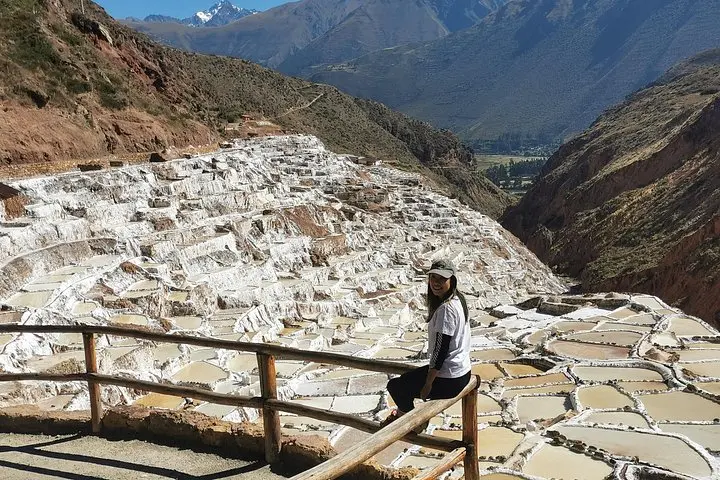
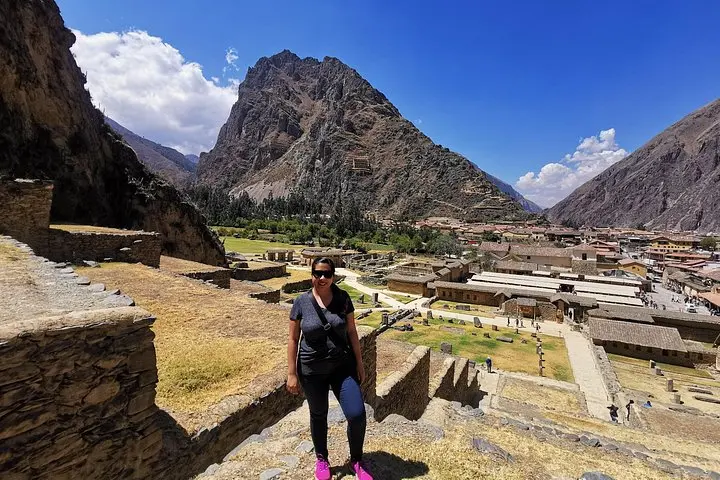
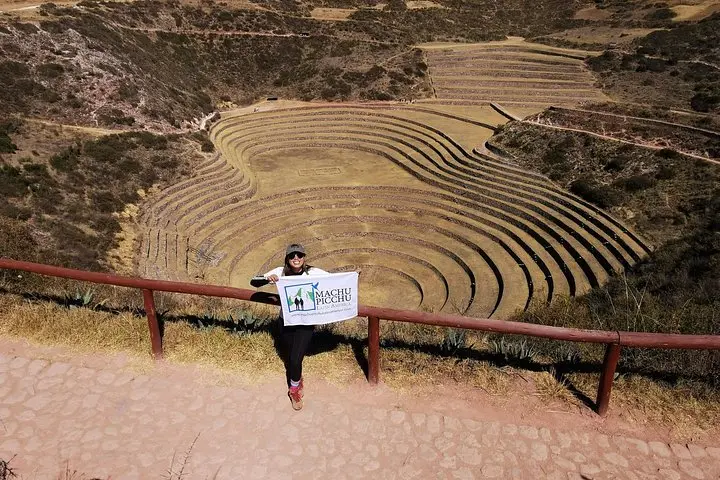
Visitors step down from the bus into a square where women in traditional woven dress thread back and forth at looms, colors echoing the highland fields. From there the route moves to Moray’s concentric terraces — circular test plots hewn into volcanic soil where the Inca engineered microclimates — and then to the white, checkerboard pans of the Maras salt mines, where salt still collects the sun’s work in small artisanal pools. The day ends among the stacked stone of Ollantaytambo, an Inca citadel whose terraces and carved rock faces frame views of narrow streets below.
This circuit crosses elevations typically between 3,000–3,600 m (9,800–11,800 ft) and mixes short walks, stepped terraces and uneven surfaces rather than continuous hiking. The geology alternates volcanic tuff and andesitic outcrops; human labor has shaped the slopes for centuries, creating irrigation systems and terraces still legible today.
Practical guidance: acclimatize in Cusco 24–48 hours if possible, drink extra water, and move deliberately on steep stone steps. Bring sun protection and small cash for local vendors and optional museum or restroom fees. Comfortable shoes with grip and a light waterproof layer for afternoon mountain weather make the day more pleasant. Expect a full 8–9 hour outing with several short guided walks, cultural encounters, and photo stops — a concentrated primer on the Sacred Valley’s living Inca landscape.
The full-day tour runs about 8–9 hours and typically includes morning hotel pickup from Cusco; confirm exact pickup time when booking.
Yes—this is rated easy and suitable for most ages, though those with serious cardiovascular issues should avoid it due to high elevation and many stone steps.
Admission fees and lunch are usually not included; the itinerary notes a buffet lunch in Urubamba is available at additional cost.
Yes—if you plan to continue to Machu Picchu, trains depart from Ollantaytambo in the afternoon; allow time to reach the station around 3–4 pm.
Machupicchu Latin America operates guided outdoor trips and adventures with an emphasis on safety, stewardship, and memorable experiences.
A thin Andean wind carries the smell of earth and hot corn as the tour vehicle threads the high valley from Cusco toward Chinchero.
A thin Andean wind carries the smell of earth and hot corn as the tour vehicle threads the high valley from Cusco toward Chinchero.
Visitors step down from the bus into a square where women in traditional woven dress thread back and forth at looms, colors echoing the highland fields. From there the route moves to Moray’s concentric terraces — circular test plots hewn into volcanic soil where the Inca engineered microclimates — and then to the white, checkerboard pans of the Maras salt mines, where salt still collects the sun’s work in small artisanal pools. The day ends among the stacked stone of Ollantaytambo, an Inca citadel whose terraces and carved rock faces frame views of narrow streets below.
This circuit crosses elevations typically between 3,000–3,600 m (9,800–11,800 ft) and mixes short walks, stepped terraces and uneven surfaces rather than continuous hiking. The geology alternates volcanic tuff and andesitic outcrops; human labor has shaped the slopes for centuries, creating irrigation systems and terraces still legible today.
Practical guidance: acclimatize in Cusco 24–48 hours if possible, drink extra water, and move deliberately on steep stone steps. Bring sun protection and small cash for local vendors and optional museum or restroom fees. Comfortable shoes with grip and a light waterproof layer for afternoon mountain weather make the day more pleasant. Expect a full 8–9 hour outing with several short guided walks, cultural encounters, and photo stops — a concentrated primer on the Sacred Valley’s living Inca landscape.