THE ADVENTURE COLLECTIVE® · Independent discovery and booking for outdoor travel

Spend a day tracing Inca engineering, Andean craft traditions and hilltop terraces from Chinchero to Ollantaytambo. Expect high‑altitude vistas, hands‑on textile demonstrations and a climb through ancient stonework.
Spend a day tracing Inca engineering, Andean craft traditions and hilltop terraces from Chinchero to Ollantaytambo. Expect high‑altitude vistas, hands‑on textile demonstrations and a climb through ancient stonework.
Morning light breaks over high-altitude fields as your van climbs out of Cusco and the valley opens: terraced hills step down toward a river that seems to push the landscape forward. You arrive in Chinchero, where cobbled streets and a seventeenth‑century church sit on Inca stonework, and the air smells of alpaca fiber and wood smoke.
Verified experiences and guided adventures in the surrounding area.
Operated by LimaTours · Ollantaytambo, Cusco Region
Morning light breaks over high-altitude fields as your van climbs out of Cusco and the valley opens: terraced hills step down toward a river that seems to push the landscape forward. You arrive in Chinchero, where cobbled streets and a seventeenth‑century church sit on Inca stonework, and the air smells of alpaca fiber and wood smoke.
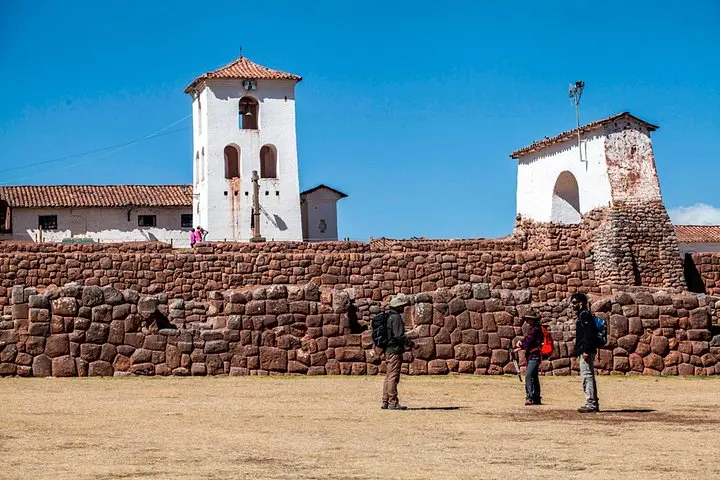
The route reads like a condensed history of the Andes. Chinchero’s plaza shows Inca urban planning repurposed by colonial baroque; at the Living Museum of Yucay, artisans demonstrate spinning, dyeing, adobe and pottery techniques that preserve pre‑Columbian methods. Geologically, the Sacred Valley runs along a river incision of the Urubamba, its terraces carved into glacially scoured slopes and volcanic soils that fed Inca agriculture.
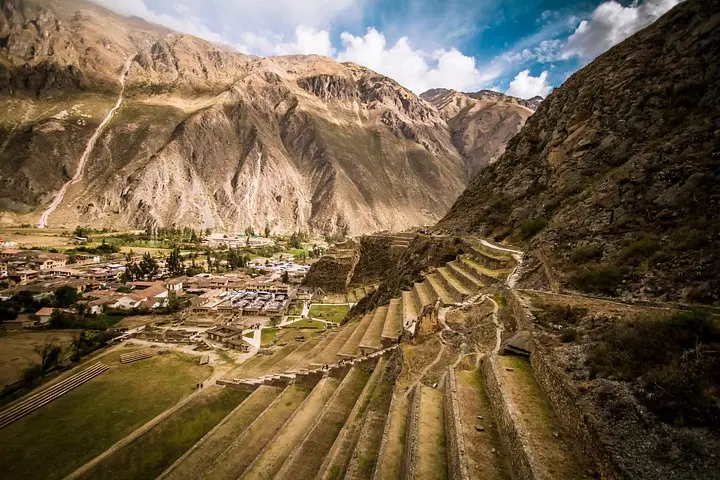
Ollantaytambo arrives as the day’s high point: a living town and an archaeological complex where massive stone terraces and a fortress‑like tambo climb the mountain. The site offers clear views of Inca engineering—stonework fitted without mortar—and the village beneath still follows its original Inca street grid.
Practical guidance: the full day lasts roughly nine hours with moderate walking and short steep sections on Inca stone. Altitude is the variable here—3,700–2,800 meters—so hydrate, go slow on steep staircases, and bring layered clothing for sun, wind and chilly high‑elevation afternoons. Pickpockets are rare but carry small bills for market purchases and test your camera batteries; the Yucay demos and Chinchero market reward patience and a respectful camera ask.
Yes—entrance to Ollantaytambo usually requires the BTC; buy it in Cusco before the tour to ensure access.
Possibly; the tour visits elevations around 3,700 m. Hydrate, avoid alcohol the night before and inform the guide if you have symptoms—oxygen is often available.
Lunch is included; notify the operator of dietary restrictions when booking so they can accommodate you where possible.
Expect easy to moderate walking—short uphill sections and stone steps at archaeological sites, with time to rest and explore the towns.
LimaTours operates guided outdoor trips and adventures with an emphasis on safety, stewardship, and memorable experiences.
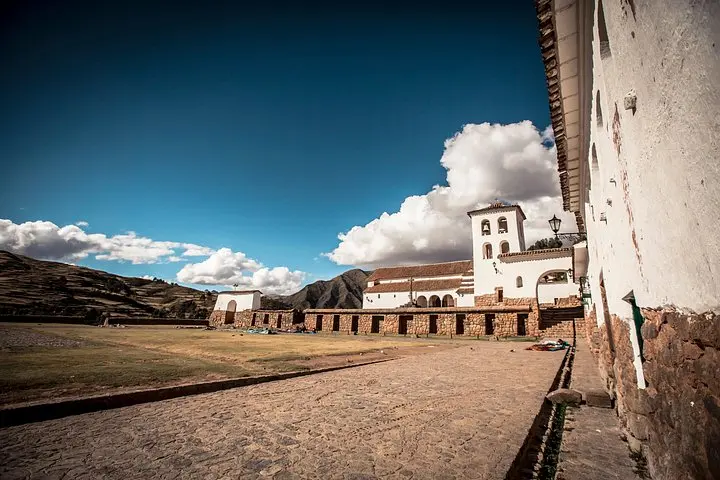
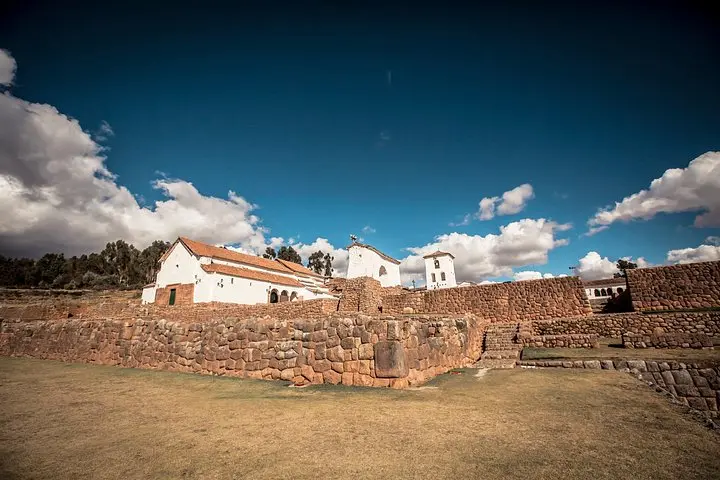
Morning light breaks over high-altitude fields as your van climbs out of Cusco and the valley opens: terraced hills step down toward a river that seems to push the landscape forward. You arrive in Chinchero, where cobbled streets and a seventeenth‑century church sit on Inca stonework, and the air smells of alpaca fiber and wood smoke.
Morning light breaks over high-altitude fields as your van climbs out of Cusco and the valley opens: terraced hills step down toward a river that seems to push the landscape forward. You arrive in Chinchero, where cobbled streets and a seventeenth‑century church sit on Inca stonework, and the air smells of alpaca fiber and wood smoke.
The route reads like a condensed history of the Andes. Chinchero’s plaza shows Inca urban planning repurposed by colonial baroque; at the Living Museum of Yucay, artisans demonstrate spinning, dyeing, adobe and pottery techniques that preserve pre‑Columbian methods. Geologically, the Sacred Valley runs along a river incision of the Urubamba, its terraces carved into glacially scoured slopes and volcanic soils that fed Inca agriculture.
Ollantaytambo arrives as the day’s high point: a living town and an archaeological complex where massive stone terraces and a fortress‑like tambo climb the mountain. The site offers clear views of Inca engineering—stonework fitted without mortar—and the village beneath still follows its original Inca street grid.
Practical guidance: the full day lasts roughly nine hours with moderate walking and short steep sections on Inca stone. Altitude is the variable here—3,700–2,800 meters—so hydrate, go slow on steep staircases, and bring layered clothing for sun, wind and chilly high‑elevation afternoons. Pickpockets are rare but carry small bills for market purchases and test your camera batteries; the Yucay demos and Chinchero market reward patience and a respectful camera ask.