THE ADVENTURE COLLECTIVE® · Independent discovery and booking for outdoor travel

Spend a day tracing Incan engineering and living traditions across the Sacred Valley. This private, guided loop hits Pisac terraces, the fortress at Ollantaytambo and Chinchero’s colonial-Incan crossroads.
Spend a day tracing Incan engineering and living traditions across the Sacred Valley. This private, guided loop hits Pisac terraces, the fortress at Ollantaytambo and Chinchero’s colonial-Incan crossroads.
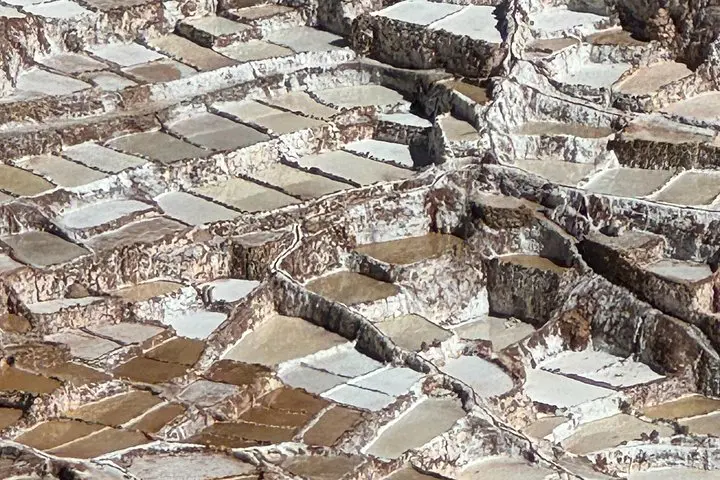
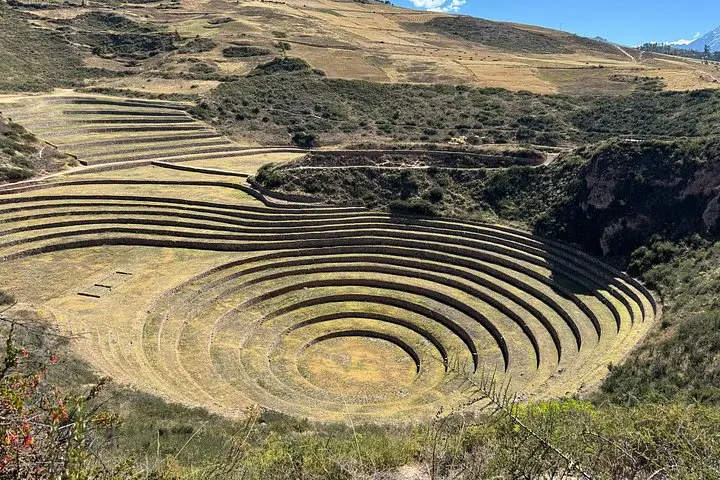
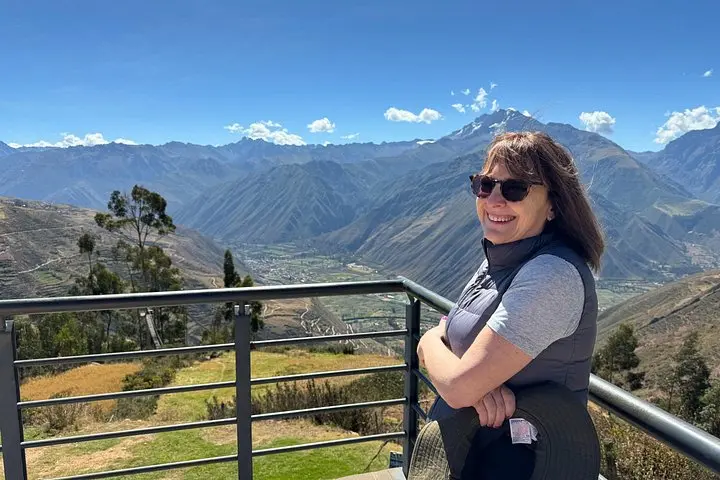
You step out of the van into thin air and a valley that seems to have been arranged around sound: terraces humming underfoot, the Urubamba River daring you to follow its ribbon downstream. Morning light slices across the agricultural steps at Pisac, where stones and soil still read like a ledger of Inca ingenuity.
Verified experiences and guided adventures in the surrounding area.
Operated by National Peru Travel · Pisac, Cusco
You step out of the van into thin air and a valley that seems to have been arranged around sound: terraces humming underfoot, the Urubamba River daring you to follow its ribbon downstream. Morning light slices across the agricultural steps at Pisac, where stones and soil still read like a ledger of Inca ingenuity.
This full-day private tour threads together three core chapters of the Sacred Valley story. Pisac offers sweeping Incan terraces carved into volcanic slopes; Ollantaytambo is a living Inca town anchored by a fortress and a rock face associated with the god Wiracocha; Chinchero pairs Incan foundations with a colonial church and vivid textile traditions. Geologically, the valley sits along uplifted Andean strata, with glacial and riverine forces shaping steep walls and fertile benches used for millennia of high-altitude farming.
Culturally, markets in Pisac and streets of Ollantaytambo put Quechua life on display—weaving, barter, and highland cuisine—while colonial frescoes and imperial foundations speak to layered histories.
Practical guidance: expect a 6-hour day with several short hikes and cobbled streets at elevations from about 2,800 to 3,700 meters, so pace yourself and sip water steadily. Comfortable, broken-in hiking shoes and layered clothing handle cool mornings and stronger sun at midday. Bring small bills for market purchases and a lightweight rain shell if traveling in the November–March wet season. The itinerary is private and personalized, allowing time to explore ruins, shop the market, and stop for lunch in Urubamba before the drive back to Cusco.
Yes—elevations in the Sacred Valley range roughly from 2,800–3,700 m; spend a day in Cusco first, hydrate, and notify your guide if you feel unwell.
Admission is included for some sites per the itinerary, but lunch and market purchases are typically at your own expense—confirm specifics with the operator when booking.
Yes—pickup is standard for private tours; you’ll select a pickup point during booking and the operator will confirm timing.
The tour is family-friendly but infants must sit on an adult’s lap; consider altitude impacts on young children and plan accordingly.
National Peru Travel operates guided outdoor trips and adventures with an emphasis on safety, stewardship, and memorable experiences.
You step out of the van into thin air and a valley that seems to have been arranged around sound: terraces humming underfoot, the Urubamba River daring you to follow its ribbon downstream. Morning light slices across the agricultural steps at Pisac, where stones and soil still read like a ledger of Inca ingenuity.
You step out of the van into thin air and a valley that seems to have been arranged around sound: terraces humming underfoot, the Urubamba River daring you to follow its ribbon downstream. Morning light slices across the agricultural steps at Pisac, where stones and soil still read like a ledger of Inca ingenuity.
This full-day private tour threads together three core chapters of the Sacred Valley story. Pisac offers sweeping Incan terraces carved into volcanic slopes; Ollantaytambo is a living Inca town anchored by a fortress and a rock face associated with the god Wiracocha; Chinchero pairs Incan foundations with a colonial church and vivid textile traditions. Geologically, the valley sits along uplifted Andean strata, with glacial and riverine forces shaping steep walls and fertile benches used for millennia of high-altitude farming.
Culturally, markets in Pisac and streets of Ollantaytambo put Quechua life on display—weaving, barter, and highland cuisine—while colonial frescoes and imperial foundations speak to layered histories.
Practical guidance: expect a 6-hour day with several short hikes and cobbled streets at elevations from about 2,800 to 3,700 meters, so pace yourself and sip water steadily. Comfortable, broken-in hiking shoes and layered clothing handle cool mornings and stronger sun at midday. Bring small bills for market purchases and a lightweight rain shell if traveling in the November–March wet season. The itinerary is private and personalized, allowing time to explore ruins, shop the market, and stop for lunch in Urubamba before the drive back to Cusco.