THE ADVENTURE COLLECTIVE® · Independent discovery and booking for outdoor travel

A full-day private loop through the Sacred Valley visiting Pisac, Moray, Maras, Ollantaytambo and Chinchero. Expect terraces, salt pools, living textile demonstrations and short walks at high altitude.
A full-day private loop through the Sacred Valley visiting Pisac, Moray, Maras, Ollantaytambo and Chinchero. Expect terraces, salt pools, living textile demonstrations and short walks at high altitude.
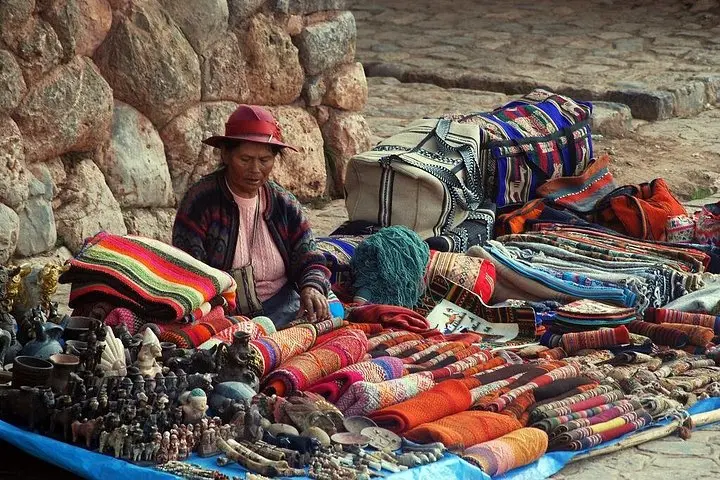
You arrive at dawn on a road that climbs and opens: terraced fields fall away toward a river that pushes the valley floor forward, and the air is thin and bright at 3,000 metres. Guides move with practiced calm as llamas watch from stone platforms; the first stop, Pisac, greets you with sweeping agricultural terraces and a market where woven patterns still tell family histories.
Verified experiences and guided adventures in the surrounding area.
Operated by Peru4Fun Servicios Turísticos EIRL · Urubamba, Cusco
You arrive at dawn on a road that climbs and opens: terraced fields fall away toward a river that pushes the valley floor forward, and the air is thin and bright at 3,000 metres. Guides move with practiced calm as llamas watch from stone platforms; the first stop, Pisac, greets you with sweeping agricultural terraces and a market where woven patterns still tell family histories.
The route threads Inca engineering and colonial layers. Moray’s concentric terraces give away a clever experiment in microclimates—an agricultural laboratory carved into volcanic soil. Nearby Maras drips with thousands of salt pools, saltwater fed by a natural spring that local families have harvested since pre-Inca times. Ollantaytambo holds fortress-like stonework and narrow streets that recall a strategic Inca stronghold. Chinchero’s plazas and textile demonstrations show how Andean weaving techniques and natural dyes persist in living practice.
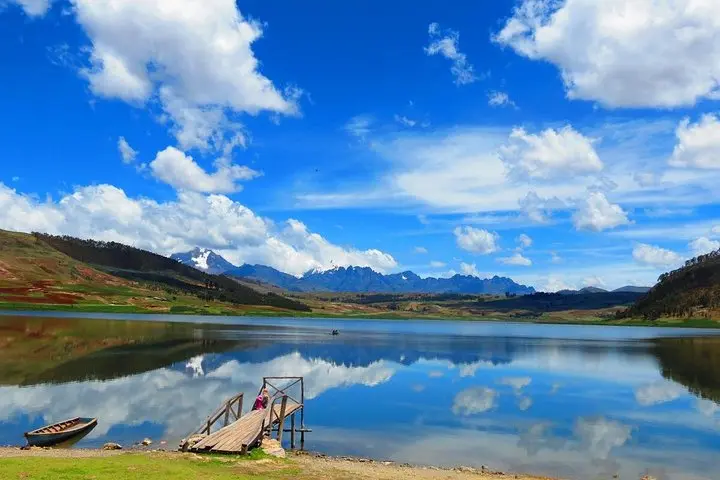
Geology here is active: uplifted Andes, eroded volcanic deposits and the Urubamba River carving its way through fertile alluvial planes. Culture is present in small details—quechua phrases, hand-spun yarn, terrace irrigation still used today.
Practical side: this private 10–12 hour tour involves short walks at altitude, frequent stops, and vehicle transfers between sites. Expect cobbled paths and uneven steps; comfortable walking shoes, sun protection, and slow pacing help. Carry small bills for market purchases and a reusable water bottle. Aim to acclimatize in Cusco the day prior.
The day balances history and fieldwork: you’ll leave with close-up engineering, living textile craft, salt-works that glint like a stepped sea, and a practical sense of Andean agriculture.
The tour runs about 10–12 hours with multiple short walks (30–60 minutes) at each site and vehicle transfers between locations.
Yes—it's a private tour adaptable to different paces, but children should be supervised and everyone should be mindful of altitude effects.
The listed tour includes admission fees and permits as part of the package, according to the operator’s inclusions.
Yes—local artisans sell handwoven items; haggle respectfully and bring cash in small denominations.
Peru4Fun Servicios Turísticos EIRL operates guided outdoor trips and adventures with an emphasis on safety, stewardship, and memorable experiences.
You arrive at dawn on a road that climbs and opens: terraced fields fall away toward a river that pushes the valley floor forward, and the air is thin and bright at 3,000 metres. Guides move with practiced calm as llamas watch from stone platforms; the first stop, Pisac, greets you with sweeping agricultural terraces and a market where woven patterns still tell family histories.
You arrive at dawn on a road that climbs and opens: terraced fields fall away toward a river that pushes the valley floor forward, and the air is thin and bright at 3,000 metres. Guides move with practiced calm as llamas watch from stone platforms; the first stop, Pisac, greets you with sweeping agricultural terraces and a market where woven patterns still tell family histories.
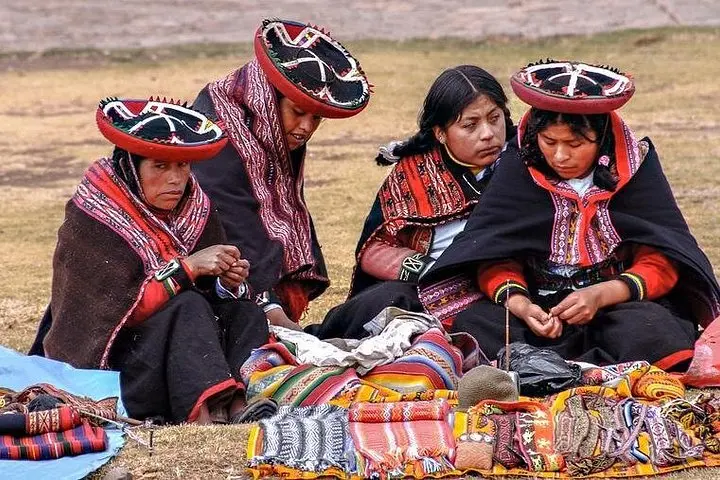
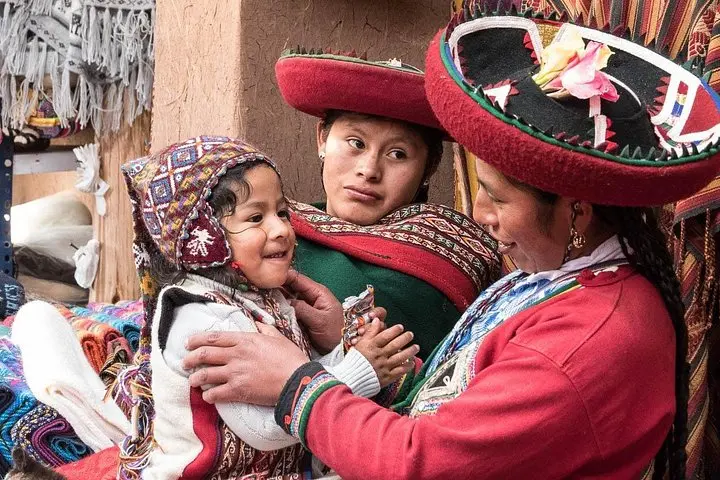
The route threads Inca engineering and colonial layers. Moray’s concentric terraces give away a clever experiment in microclimates—an agricultural laboratory carved into volcanic soil. Nearby Maras drips with thousands of salt pools, saltwater fed by a natural spring that local families have harvested since pre-Inca times. Ollantaytambo holds fortress-like stonework and narrow streets that recall a strategic Inca stronghold. Chinchero’s plazas and textile demonstrations show how Andean weaving techniques and natural dyes persist in living practice.
Geology here is active: uplifted Andes, eroded volcanic deposits and the Urubamba River carving its way through fertile alluvial planes. Culture is present in small details—quechua phrases, hand-spun yarn, terrace irrigation still used today.
Practical side: this private 10–12 hour tour involves short walks at altitude, frequent stops, and vehicle transfers between sites. Expect cobbled paths and uneven steps; comfortable walking shoes, sun protection, and slow pacing help. Carry small bills for market purchases and a reusable water bottle. Aim to acclimatize in Cusco the day prior.
The day balances history and fieldwork: you’ll leave with close-up engineering, living textile craft, salt-works that glint like a stepped sea, and a practical sense of Andean agriculture.