THE ADVENTURE COLLECTIVE® · Independent discovery and booking for outdoor travel

A single-day VIP route through the Sacred Valley that pairs living Andean traditions with Inca agricultural genius — from Chinchero’s weavers to the dizzying salt pans of Maras and the terraces of Ollantaytambo. Expect a 10-hour culturally rich day at high altitude.
A single-day VIP route through the Sacred Valley that pairs living Andean traditions with Inca agricultural genius — from Chinchero’s weavers to the dizzying salt pans of Maras and the terraces of Ollantaytambo. Expect a 10-hour culturally rich day at high altitude.
You leave Cusco before the sun warms the stones and climb into a highland morning where air itself feels deliberate. The road unfurls through patchworked fields; distant terraces cut the hillsides like geological handwriting. At Chinchero, we step out into cold, bright light — church bells, hand-dyed textiles, and the steady hands of weavers who still work with alpaca fiber and ancestral patterns.
Verified experiences and guided adventures in the surrounding area.
Operated by Peru Wonderful Travel · Cusco, Cusco
You leave Cusco before the sun warms the stones and climb into a highland morning where air itself feels deliberate. The road unfurls through patchworked fields; distant terraces cut the hillsides like geological handwriting. At Chinchero, we step out into cold, bright light — church bells, hand-dyed textiles, and the steady hands of weavers who still work with alpaca fiber and ancestral patterns.
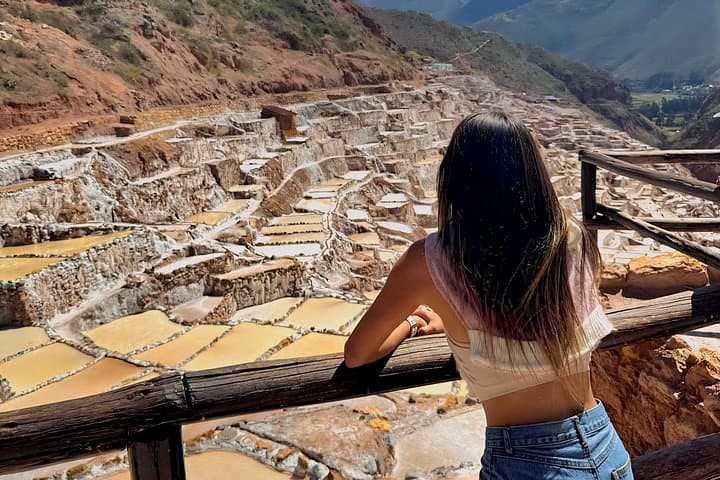
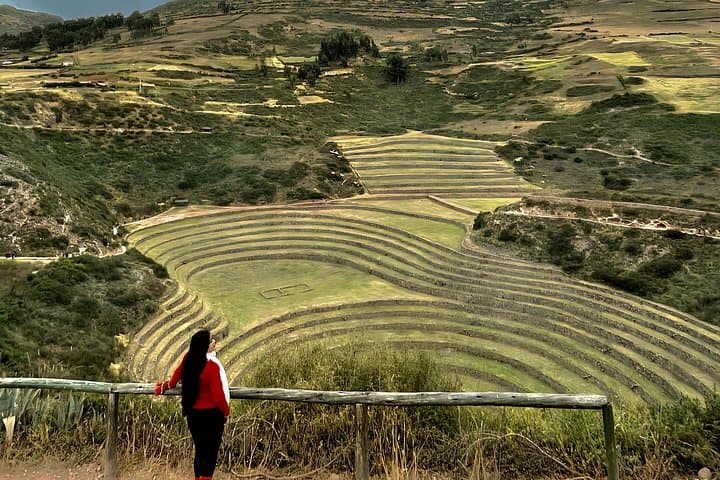
The landscape shifts toward Moray, where concentric amphitheaters plunge into the earth. The terraces hold microclimates that once let the Incas experiment with crops; the land seems to breathe in concentric rings, each level tempering wind and sun. A short drive away, the Salineras de Maras glitter — thousands of salt pans stacked like pages on a steep slope, fed by a salty spring that has been harvested since pre-Inca times.
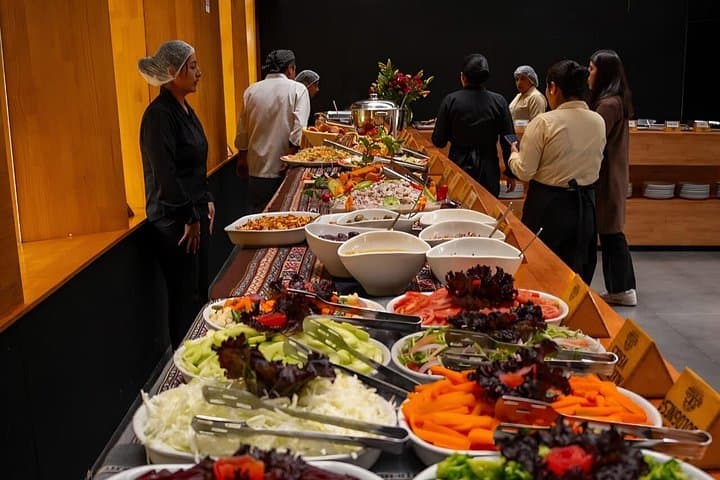
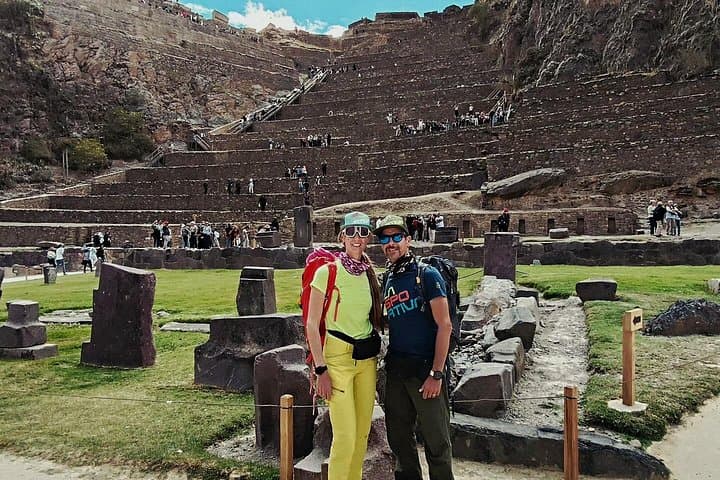
After a buffet lunch, the tour threads to Ollantaytambo, a fortress-town of massive stones and living streets where Inca engineering still directs water and agriculture. Pisac closes the day with sweeping terraces and a market filled with ceramics and textiles — a living exchange of culture.
Practical edge: expect high altitude (3,700–2,800 m range), light walking at each site, and dusty paths around terraces and salt pans. Bring layered clothing, sun protection, sturdy shoes, and time your visit for morning light at Moray or late afternoon at Pisac for softer colors. Guides typically include transport, lunch, and entry; plan for a 10-hour day and allow extra time for acclimatization. The route balances cultural immersion, easy hikes, and dramatic Andean geography.
The tour runs about 10 hours and includes Chinchero, Moray, Salineras de Maras, lunch, Ollantaytambo, and Pisac, with round-trip transport from Cusco.
Infants are allowed but must sit on laps; plan for altitude considerations and bring necessary comfort items for young children.
Walks are generally short (around terraces, salt pans, and ruins) but on uneven ground—expect moderate walking and some stairs.
Yes—most operators include site admissions and a buffet lunch with vegetarian/vegan options; confirm specifics at booking.
Peru Wonderful Travel operates guided outdoor trips and adventures with an emphasis on safety, stewardship, and memorable experiences.
You leave Cusco before the sun warms the stones and climb into a highland morning where air itself feels deliberate. The road unfurls through patchworked fields; distant terraces cut the hillsides like geological handwriting. At Chinchero, we step out into cold, bright light — church bells, hand-dyed textiles, and the steady hands of weavers who still work with alpaca fiber and ancestral patterns.
You leave Cusco before the sun warms the stones and climb into a highland morning where air itself feels deliberate. The road unfurls through patchworked fields; distant terraces cut the hillsides like geological handwriting. At Chinchero, we step out into cold, bright light — church bells, hand-dyed textiles, and the steady hands of weavers who still work with alpaca fiber and ancestral patterns.
The landscape shifts toward Moray, where concentric amphitheaters plunge into the earth. The terraces hold microclimates that once let the Incas experiment with crops; the land seems to breathe in concentric rings, each level tempering wind and sun. A short drive away, the Salineras de Maras glitter — thousands of salt pans stacked like pages on a steep slope, fed by a salty spring that has been harvested since pre-Inca times.
After a buffet lunch, the tour threads to Ollantaytambo, a fortress-town of massive stones and living streets where Inca engineering still directs water and agriculture. Pisac closes the day with sweeping terraces and a market filled with ceramics and textiles — a living exchange of culture.
Practical edge: expect high altitude (3,700–2,800 m range), light walking at each site, and dusty paths around terraces and salt pans. Bring layered clothing, sun protection, sturdy shoes, and time your visit for morning light at Moray or late afternoon at Pisac for softer colors. Guides typically include transport, lunch, and entry; plan for a 10-hour day and allow extra time for acclimatization. The route balances cultural immersion, easy hikes, and dramatic Andean geography.