THE ADVENTURE COLLECTIVE® · Independent discovery and booking for outdoor travel

A compact, full-day guided loop through the Sacred Valley hitting Pisac, Moray, Maras and Ollantaytambo. Expect high-altitude terraces, salt pans and living Quechua communities with a practical, photo-ready itinerary.
A compact, full-day guided loop through the Sacred Valley hitting Pisac, Moray, Maras and Ollantaytambo. Expect high-altitude terraces, salt pans and living Quechua communities with a practical, photo-ready itinerary.
You step off the van into thin, cold air and the valley opens like a folded map—terraces stair-stepping down slopes, a river threading silver below, and terraces that seem to hold stories in their stone. The guide checks everyone’s oxygen and points toward a distant cluster of ruins; even standing still the Andes feel alive, nudging you forward.
Verified experiences and guided adventures in the surrounding area.
Operated by JISA ADVENTURE · Urubamba, Cusco Region
You step off the van into thin, cold air and the valley opens like a folded map—terraces stair-stepping down slopes, a river threading silver below, and terraces that seem to hold stories in their stone. The guide checks everyone’s oxygen and points toward a distant cluster of ruins; even standing still the Andes feel alive, nudging you forward.
This full-day loop through the Sacred Valley visits living Inca landscapes: Pisac’s agricultural terraces, the circular experiment terraces at Moray, the salt pans at Maras carved into the hillside, and the stone-engineered strength of Ollantaytambo. Geology here is blunt and straightforward—uplifted volcanic and sedimentary formations carved by glacial action—while Inca engineers altered microclimates with irrigation and terrace design. Local Quechua communities still weave and farm; you’ll see textiles and taste local Andean cuisine at a Urubamba lunch.
Expect a mix of gentle walking, short stair climbs, and photo stops. Altitude is the real challenge: elevations range roughly from 2,900–3,600 m (9,500–11,800 ft), so light exertion can feel harder than at sea level. Bring layered clothing, sunscreen, and water; allow extra time for slow breathing and breath-hold adjustments. The route is accessible for most fitness levels but plan on a 12-hour day with multiple short stops and a buffet lunch in Urubamba.
Practical tips: acclimate in Cusco for 24–48 hours if possible, carry cash for small purchases, and respect local customs when photographing communities—ask first. The Sacred Valley rewards curiosity: keep your pace steady and your camera ready.
This is a roughly 12-hour guided day trip visiting Pisac, Moray, Maras, Urubamba for lunch, Ollantaytambo and Pisac archaeological sites, with multiple short stops for photos and explanations.
Yes—walking is light, but altitude can affect any age; plan rest, hydrate, and consult a doctor for respiratory or heart conditions.
This operator lists admissions as not included for some sites; confirm whether your ticket to the Museo or archaeological complexes is covered or if you need a separate ticket (e.g., the Boleto Turístico).
There are market or craft stops on many itineraries; bring local currency and ask vendors permission before photographing textiles or people.
JISA ADVENTURE operates guided outdoor trips and adventures with an emphasis on safety, stewardship, and memorable experiences.

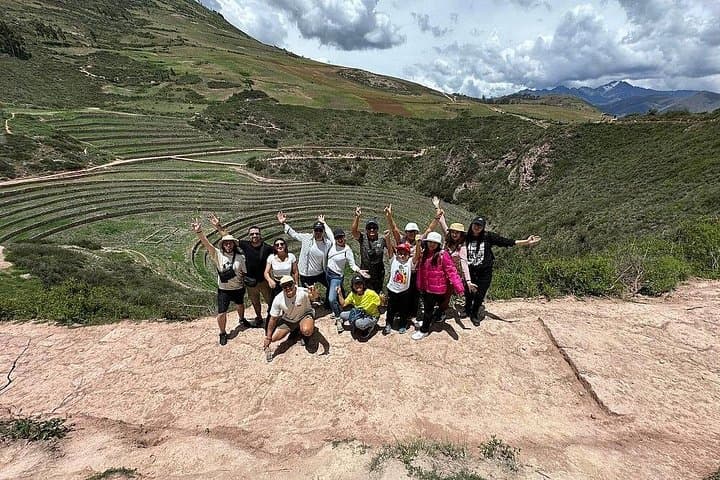

You step off the van into thin, cold air and the valley opens like a folded map—terraces stair-stepping down slopes, a river threading silver below, and terraces that seem to hold stories in their stone. The guide checks everyone’s oxygen and points toward a distant cluster of ruins; even standing still the Andes feel alive, nudging you forward.
You step off the van into thin, cold air and the valley opens like a folded map—terraces stair-stepping down slopes, a river threading silver below, and terraces that seem to hold stories in their stone. The guide checks everyone’s oxygen and points toward a distant cluster of ruins; even standing still the Andes feel alive, nudging you forward.
This full-day loop through the Sacred Valley visits living Inca landscapes: Pisac’s agricultural terraces, the circular experiment terraces at Moray, the salt pans at Maras carved into the hillside, and the stone-engineered strength of Ollantaytambo. Geology here is blunt and straightforward—uplifted volcanic and sedimentary formations carved by glacial action—while Inca engineers altered microclimates with irrigation and terrace design. Local Quechua communities still weave and farm; you’ll see textiles and taste local Andean cuisine at a Urubamba lunch.
Expect a mix of gentle walking, short stair climbs, and photo stops. Altitude is the real challenge: elevations range roughly from 2,900–3,600 m (9,500–11,800 ft), so light exertion can feel harder than at sea level. Bring layered clothing, sunscreen, and water; allow extra time for slow breathing and breath-hold adjustments. The route is accessible for most fitness levels but plan on a 12-hour day with multiple short stops and a buffet lunch in Urubamba.
Practical tips: acclimate in Cusco for 24–48 hours if possible, carry cash for small purchases, and respect local customs when photographing communities—ask first. The Sacred Valley rewards curiosity: keep your pace steady and your camera ready.