THE ADVENTURE COLLECTIVE® · Independent discovery and booking for outdoor travel

Two days of Inca archaeology, valley views and a scenic train ride deliver Machu Picchu without the long trek. Expect terraces, markets, and early-morning light on the citadel—pack layers and prepare for altitude.
Two days of Inca archaeology, valley views and a scenic train ride deliver Machu Picchu without the long trek. Expect terraces, markets, and early-morning light on the citadel—pack layers and prepare for altitude.
Dawn breaks over the high Andes as the bus slides out of Cusco, terraces and river valleys opening like pages of an old map. You move through light and shadow—alpine grasses, stone walls carved by hands centuries ago, and the Vilcanota River daring you downstream with its quicksilver reflections.
Verified experiences and guided adventures in the surrounding area.
Operated by Peru Hikers · Aguas Calientes, Cusco Region
Dawn breaks over the high Andes as the bus slides out of Cusco, terraces and river valleys opening like pages of an old map. You move through light and shadow—alpine grasses, stone walls carved by hands centuries ago, and the Vilcanota River daring you downstream with its quicksilver reflections.
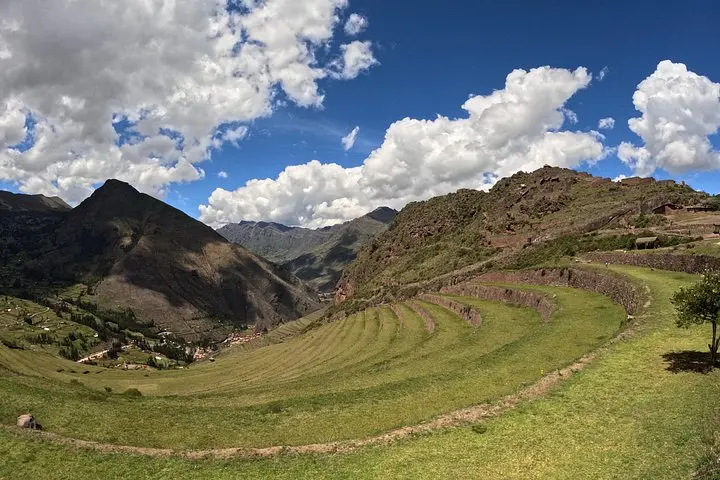
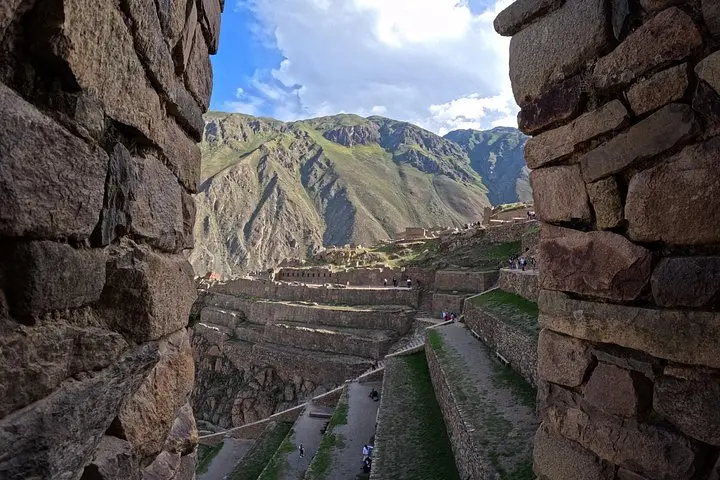
This compact two-day circuit stitches together key Inca places: Pisac’s hilltop terraces and bustling market, the living fortress of Ollantaytambo, and the crowning site at Machu Picchu. The ruins date largely to the 15th century and sit on folded volcanic and metamorphic rock uplifted by Andean orogeny; the result is steep stonework that clings to the slope as if grown there.
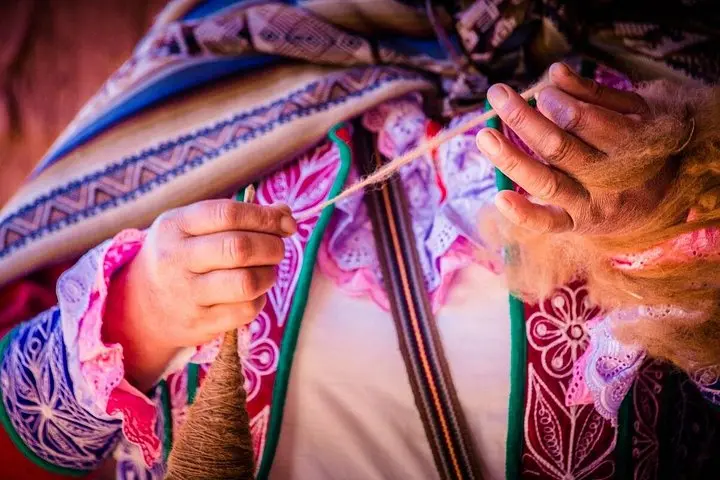
Culture here is immediate—Quechua-speaking communities, local markets, and small-scale agriculture shaped by centuries of terrace farming. Expect guides to point out Inca construction techniques, local weaving traditions, and the modern pulse of Aguas Calientes, the gateway town where you’ll overnight.
Practical guidance: trains and buses are fixed—book early and bring printed or mobile tickets. Start early on day two to catch cooler morning light at Machu Picchu and avoid midday crowds. Altitude is real: hydrate, move slowly out of Cusco, and pack layers for temperature swings between valley and cloud forest. Wear sturdy shoes for uneven stonework, and keep to marked paths—sites limit numbers and conservation rules are enforced. With a sensible pace and good gear, this two-day loop delivers history, landscape, and the cinematic arrival at Machu Picchu with minimal fuss.
This tour includes entrance fees to Pisac, Ollantaytambo and Machu Picchu as described; confirm time-slot for Machu Picchu on booking.
The guided circuit is moderate—tenuous stone steps and slopes; you can opt out of extra hikes like Huayna Picchu, which require separate permits.
Yes—Cusco is high (≈3,400 m). Rest a day before touring, hydrate, and consult a physician about medication if you have a history of severe altitude sickness.
The dry season (May–September) offers clearer skies and firmer trails; shoulder months have fewer crowds but variable weather.
Peru Hikers operates guided outdoor trips and adventures with an emphasis on safety, stewardship, and memorable experiences.
Dawn breaks over the high Andes as the bus slides out of Cusco, terraces and river valleys opening like pages of an old map. You move through light and shadow—alpine grasses, stone walls carved by hands centuries ago, and the Vilcanota River daring you downstream with its quicksilver reflections.
Dawn breaks over the high Andes as the bus slides out of Cusco, terraces and river valleys opening like pages of an old map. You move through light and shadow—alpine grasses, stone walls carved by hands centuries ago, and the Vilcanota River daring you downstream with its quicksilver reflections.
This compact two-day circuit stitches together key Inca places: Pisac’s hilltop terraces and bustling market, the living fortress of Ollantaytambo, and the crowning site at Machu Picchu. The ruins date largely to the 15th century and sit on folded volcanic and metamorphic rock uplifted by Andean orogeny; the result is steep stonework that clings to the slope as if grown there.
Culture here is immediate—Quechua-speaking communities, local markets, and small-scale agriculture shaped by centuries of terrace farming. Expect guides to point out Inca construction techniques, local weaving traditions, and the modern pulse of Aguas Calientes, the gateway town where you’ll overnight.
Practical guidance: trains and buses are fixed—book early and bring printed or mobile tickets. Start early on day two to catch cooler morning light at Machu Picchu and avoid midday crowds. Altitude is real: hydrate, move slowly out of Cusco, and pack layers for temperature swings between valley and cloud forest. Wear sturdy shoes for uneven stonework, and keep to marked paths—sites limit numbers and conservation rules are enforced. With a sensible pace and good gear, this two-day loop delivers history, landscape, and the cinematic arrival at Machu Picchu with minimal fuss.