THE ADVENTURE COLLECTIVE® · Independent discovery and booking for outdoor travel

Two days from Cusco take you through Inca agricultural laboratories, salt pans, and up to Machu Picchu’s rim-top citadel. This compact tour balances archaeological context with practical logistics—early starts, train transfers, and altitude-aware pacing.
Two days from Cusco take you through Inca agricultural laboratories, salt pans, and up to Machu Picchu’s rim-top citadel. This compact tour balances archaeological context with practical logistics—early starts, train transfers, and altitude-aware pacing.
Dawn breaks over terraced slopes as the tour van departs Cusco’s historic center, the city’s red-tiled roofs shrinking behind you while the Andes open up ahead.
Verified experiences and guided adventures in the surrounding area.
Operated by Machupicchu Holiday · Cusco, Cusco Region
Dawn breaks over terraced slopes as the tour van departs Cusco’s historic center, the city’s red-tiled roofs shrinking behind you while the Andes open up ahead.
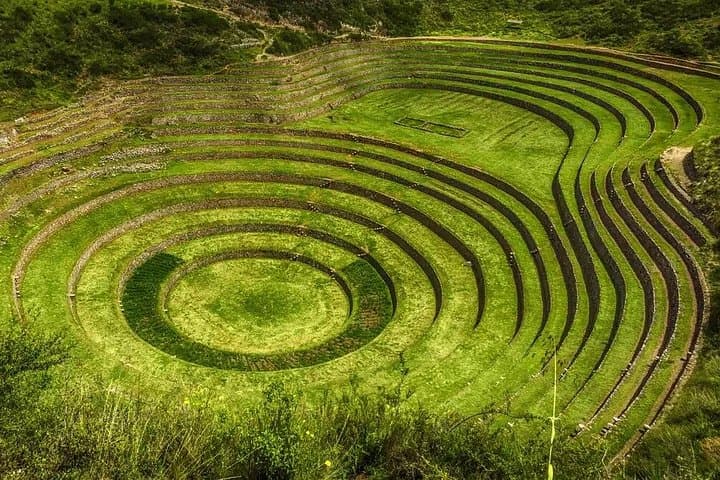
On day one the route threads through high-altitude farmland to Chinchero, where colonial stonework meets Inca foundations, then drops into concentric agricultural bowls at Moray—circular terraces that read like an ancient experimental lab for crops. Nearby, the salt pans of Maras glitter like a honeycomb carved into a steep ravine, a landscape still harvested using techniques handed down since pre-Inca times.
The second day centers on Machu Picchu, a granite citadel perched on a ridge above the Urubamba Gorge. Geological forces uplifted these peaks, and the Incas engineered terraces and drainage that fit the steep topography. Guides will frame the site in cultural terms—Quechua traditions, imperial logistics, and the modern visitor protocols that preserve the ruin.
Practically, this is a travel-focused two-day itinerary: early departures, train scheduling between Ollantaytambo and Aguas Calientes, a timed bus up to Machu Picchu, and guided touring of core sectors. Expect narrow stone paths, some stair climbing, and variable weather—sun one hour, drizzle the next. Acclimatize in Cusco, bring layered clothing, and plan train and park tickets in advance. Hydration, modest daypacks, and respect for restricted routes keep the visit both safe and meaningful. The trip pairs highland culture with engineering feats—intense and compact, ideal for travelers who want maximum exposure to the Sacred Valley and the citadel in a short window.
The guided circuit includes uneven stone paths and stairs; most visitors complete the main 2–3 hour route without technical climbing, but mobility should allow repeated stair ascent and descent.
Many packaged tours include the park ticket and train; confirm inclusion before booking—if not included, buy tickets early from official portals to secure preferred time slots.
Yes—Cusco sits around 3,400 m. Symptoms can appear quickly; rest, hydrate, avoid heavy meals and consider coca tea or consult a physician about medication.
Expedition/Voyager trains permit small to medium luggage; large lockers are limited—pack an overnight bag for Aguas Calientes and leave large suitcases in Cusco or a hotel storage service.
Machupicchu Holiday operates guided outdoor trips and adventures with an emphasis on safety, stewardship, and memorable experiences.


Dawn breaks over terraced slopes as the tour van departs Cusco’s historic center, the city’s red-tiled roofs shrinking behind you while the Andes open up ahead.
Dawn breaks over terraced slopes as the tour van departs Cusco’s historic center, the city’s red-tiled roofs shrinking behind you while the Andes open up ahead.
On day one the route threads through high-altitude farmland to Chinchero, where colonial stonework meets Inca foundations, then drops into concentric agricultural bowls at Moray—circular terraces that read like an ancient experimental lab for crops. Nearby, the salt pans of Maras glitter like a honeycomb carved into a steep ravine, a landscape still harvested using techniques handed down since pre-Inca times.
The second day centers on Machu Picchu, a granite citadel perched on a ridge above the Urubamba Gorge. Geological forces uplifted these peaks, and the Incas engineered terraces and drainage that fit the steep topography. Guides will frame the site in cultural terms—Quechua traditions, imperial logistics, and the modern visitor protocols that preserve the ruin.
Practically, this is a travel-focused two-day itinerary: early departures, train scheduling between Ollantaytambo and Aguas Calientes, a timed bus up to Machu Picchu, and guided touring of core sectors. Expect narrow stone paths, some stair climbing, and variable weather—sun one hour, drizzle the next. Acclimatize in Cusco, bring layered clothing, and plan train and park tickets in advance. Hydration, modest daypacks, and respect for restricted routes keep the visit both safe and meaningful. The trip pairs highland culture with engineering feats—intense and compact, ideal for travelers who want maximum exposure to the Sacred Valley and the citadel in a short window.