THE ADVENTURE COLLECTIVE® · Independent discovery and booking for outdoor travel

A two-day sweep from Cusco through Pisac, Urubamba and Ollantaytambo to Machu Picchu, combining market visits, Inca terraces, and a guided walk of the citadel. Ideal for travelers who want cultural context with minimal logistics—trains, buses and a hotel are included.
A two-day sweep from Cusco through Pisac, Urubamba and Ollantaytambo to Machu Picchu, combining market visits, Inca terraces, and a guided walk of the citadel. Ideal for travelers who want cultural context with minimal logistics—trains, buses and a hotel are included.
Dawn in the Sacred Valley cracks cold and clear; terraces catch the first light and rivers hurry through narrow gorges as the van threads mountain switchbacks toward Pisac.
Verified experiences and guided adventures in the surrounding area.
Operated by Willka travel Cusco · Cusco, Cusco Region
Dawn in the Sacred Valley cracks cold and clear; terraces catch the first light and rivers hurry through narrow gorges as the van threads mountain switchbacks toward Pisac.
You begin among Inca stonework and markets—Pisaq’s high terraces and colorful stalls show a living agricultural culture that fed Cusco’s empire. The valley’s geology is folded volcanic bedrock carved by the Urubamba River; granite outcrops were quarried and dressed into temples at Ollantaytambo. By evening you roll into Aguas Calientes for a simple hotel and the nervous excitement of an early morning bus to Machu Picchu.
Machu Picchu perches on a limestone spine above the cloud forest where steep slopes force microclimates; mist and sun swap places across ruins that date to the 15th century. A certified guide will walk you through the urban sectors, terraces, and water channels, and point out Inca agricultural engineering and stone-cutting precision. If you booked Huayna or Machu Picchu Mountain, the guide will point the trailhead and explain permit constraints.
Practical edge: altitude matters—Cusco sits above 3,300 m, so hydrate and pace the first day. Trains from Ollantaytambo cut travel time but seats fill; buy tickets early. Buses from Aguas Calientes start before dawn—expect lines. Bring a rain layer and good footwear for wet stone and steep steps. The itinerary balances guided context with free time to climb viewpoints or linger among terraces; return trains typically arrive to Cusco the same evening of day two.
Plan at least 24–48 hours in Cusco to reduce altitude sickness risk; avoid heavy exertion the first day and hydrate.
Yes—standard Machu Picchu admission is included, but Huayna Picchu or Machu Picchu Mountain require separate permits and must be booked well in advance.
Buses begin around 5:30 a.m.; lines form early so aim for the first departures to reach viewpoints before peak crowds.
Children over 5 can join; the tour involves stairs and uneven terrain, so it’s not recommended for those with serious mobility or spinal issues.
Willka travel Cusco operates guided outdoor trips and adventures with an emphasis on safety, stewardship, and memorable experiences.

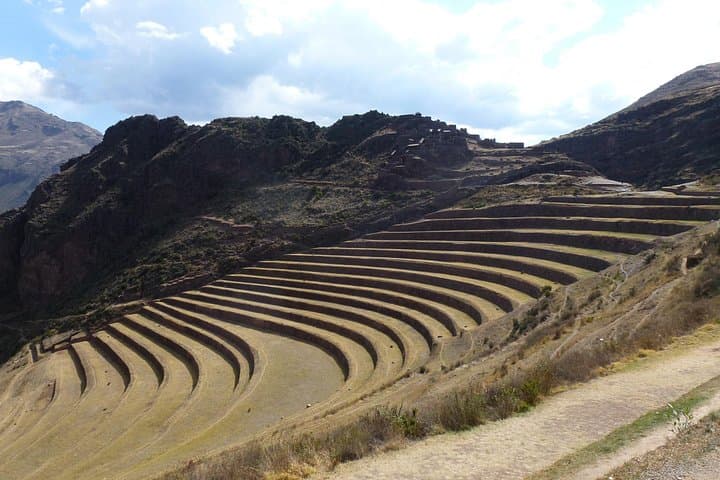


Dawn in the Sacred Valley cracks cold and clear; terraces catch the first light and rivers hurry through narrow gorges as the van threads mountain switchbacks toward Pisac.
Dawn in the Sacred Valley cracks cold and clear; terraces catch the first light and rivers hurry through narrow gorges as the van threads mountain switchbacks toward Pisac.
You begin among Inca stonework and markets—Pisaq’s high terraces and colorful stalls show a living agricultural culture that fed Cusco’s empire. The valley’s geology is folded volcanic bedrock carved by the Urubamba River; granite outcrops were quarried and dressed into temples at Ollantaytambo. By evening you roll into Aguas Calientes for a simple hotel and the nervous excitement of an early morning bus to Machu Picchu.
Machu Picchu perches on a limestone spine above the cloud forest where steep slopes force microclimates; mist and sun swap places across ruins that date to the 15th century. A certified guide will walk you through the urban sectors, terraces, and water channels, and point out Inca agricultural engineering and stone-cutting precision. If you booked Huayna or Machu Picchu Mountain, the guide will point the trailhead and explain permit constraints.
Practical edge: altitude matters—Cusco sits above 3,300 m, so hydrate and pace the first day. Trains from Ollantaytambo cut travel time but seats fill; buy tickets early. Buses from Aguas Calientes start before dawn—expect lines. Bring a rain layer and good footwear for wet stone and steep steps. The itinerary balances guided context with free time to climb viewpoints or linger among terraces; return trains typically arrive to Cusco the same evening of day two.