THE ADVENTURE COLLECTIVE® · Independent discovery and booking for outdoor travel

A six-day loop from Cusco that pairs high-altitude trekking to Rainbow Mountain and Machu Picchu with market walks, salt terraces, and a hands-on Peruvian cooking class—ideal for travelers ready to manage altitude and craving cultural depth.
A six-day loop from Cusco that pairs high-altitude trekking to Rainbow Mountain and Machu Picchu with market walks, salt terraces, and a hands-on Peruvian cooking class—ideal for travelers ready to manage altitude and craving cultural depth.
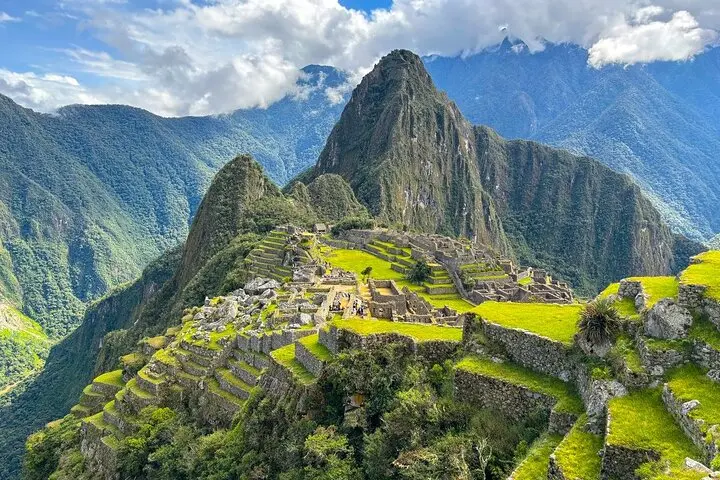
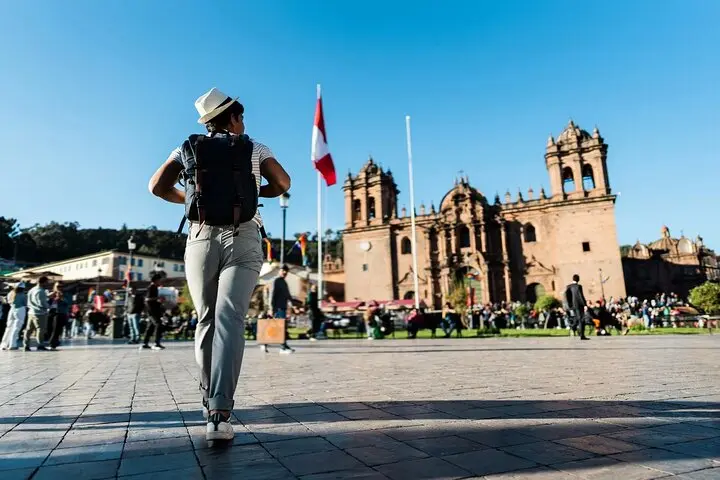
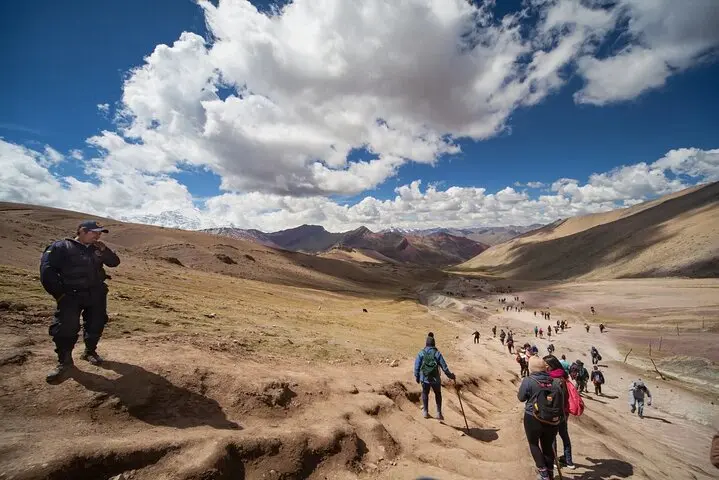
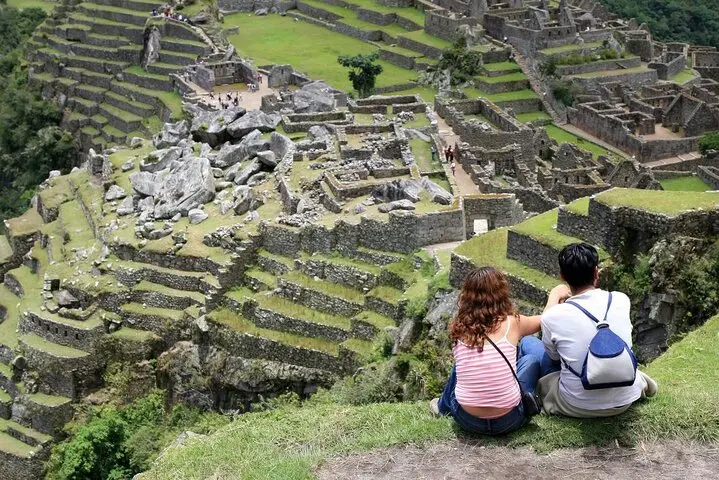
Morning in Cusco arrives with bell-like sunlight cutting across the Plaza de Armas and the smell of coffee and coca tea warming the air. On this six-day loop you move from polished colonial cobbles up into high Andean air: Pisac’s market stalls, the stepped salt pans of Maras, the circular agricultural labs at Moray, the stone streets of Ollantaytambo, the lost-city terraces of Machu Picchu, and a predawn push to the striped slopes of Rainbow Mountain.
Verified experiences and guided adventures in the surrounding area.
Operated by CrossoverPeru Tours · Cusco, Cusco Region
Morning in Cusco arrives with bell-like sunlight cutting across the Plaza de Armas and the smell of coffee and coca tea warming the air. On this six-day loop you move from polished colonial cobbles up into high Andean air: Pisac’s market stalls, the stepped salt pans of Maras, the circular agricultural labs at Moray, the stone streets of Ollantaytambo, the lost-city terraces of Machu Picchu, and a predawn push to the striped slopes of Rainbow Mountain.
These places are Imprint of the Inca: engineered terraces that modulate microclimates, and trade routes that threaded the Sacred Valley long before tourism. Geologically, Rainbow Mountain’s bands are oxidized iron and copper minerals exposed by uplift and erosion; Moray’s concentric bowls are a rare example of pre-Columbian experimentation with altitude farming. Culturally, you’ll taste Peruvian staples—lomo saltado, pisco sour—and learn techniques in a hands-on cooking class that mirror centuries of local food knowledge.
Practical edge: expect altitude between 2,400 m (Machu Picchu) and ~5,020 m (Vinicunca), with the Rainbow Mountain trek roughly 5–6 km round-trip and 600–700 m of gain completed in ~2–3 hours up. Machu Picchu’s guided visit usually runs ~2 hours; optional Huayna Picchu requires a separate permit and is steep. Acclimatize in Cusco, drink water, layer for sun and wind, and bring cash for market purchases and tips. Early starts are standard—Rainbow Mountain departures are often 4:00 a.m.—so plan sleep and pacing accordingly. With local guides and included trains/transfers, this itinerary balances strenuous high-altitude hikes with cultural stops and culinary immersion.
Yes—Huayna Picchu has limited daily permits separate from standard Machu Picchu tickets; book well in advance if you want this climb.
The dry season (May–September) offers more stable hiking weather and clearer skies; the wet season (November–March) brings rain, muddy trails, and occasional transport delays.
The trail is short but steep at high altitude—expect 2–3 hours up with 600–700 m of gain; consider a horse for descent in some local operations.
Guides help monitor symptoms and pacing, but acclimatization varies—bring altitude medication if advised by your doctor and know basic symptoms.
CrossoverPeru Tours operates guided outdoor trips and adventures with an emphasis on safety, stewardship, and memorable experiences.
Morning in Cusco arrives with bell-like sunlight cutting across the Plaza de Armas and the smell of coffee and coca tea warming the air. On this six-day loop you move from polished colonial cobbles up into high Andean air: Pisac’s market stalls, the stepped salt pans of Maras, the circular agricultural labs at Moray, the stone streets of Ollantaytambo, the lost-city terraces of Machu Picchu, and a predawn push to the striped slopes of Rainbow Mountain.
Morning in Cusco arrives with bell-like sunlight cutting across the Plaza de Armas and the smell of coffee and coca tea warming the air. On this six-day loop you move from polished colonial cobbles up into high Andean air: Pisac’s market stalls, the stepped salt pans of Maras, the circular agricultural labs at Moray, the stone streets of Ollantaytambo, the lost-city terraces of Machu Picchu, and a predawn push to the striped slopes of Rainbow Mountain.
These places are Imprint of the Inca: engineered terraces that modulate microclimates, and trade routes that threaded the Sacred Valley long before tourism. Geologically, Rainbow Mountain’s bands are oxidized iron and copper minerals exposed by uplift and erosion; Moray’s concentric bowls are a rare example of pre-Columbian experimentation with altitude farming. Culturally, you’ll taste Peruvian staples—lomo saltado, pisco sour—and learn techniques in a hands-on cooking class that mirror centuries of local food knowledge.
Practical edge: expect altitude between 2,400 m (Machu Picchu) and ~5,020 m (Vinicunca), with the Rainbow Mountain trek roughly 5–6 km round-trip and 600–700 m of gain completed in ~2–3 hours up. Machu Picchu’s guided visit usually runs ~2 hours; optional Huayna Picchu requires a separate permit and is steep. Acclimatize in Cusco, drink water, layer for sun and wind, and bring cash for market purchases and tips. Early starts are standard—Rainbow Mountain departures are often 4:00 a.m.—so plan sleep and pacing accordingly. With local guides and included trains/transfers, this itinerary balances strenuous high-altitude hikes with cultural stops and culinary immersion.