THE ADVENTURE COLLECTIVE® · Independent discovery and booking for outdoor travel

Experience textiles, salt pans and Inca engineering on a compact 2-day loop from Cusco. Visit Chinchero and Moray, ride the train from Ollantaytambo, and explore Machu Picchu with a guided tour.
Experience textiles, salt pans and Inca engineering on a compact 2-day loop from Cusco. Visit Chinchero and Moray, ride the train from Ollantaytambo, and explore Machu Picchu with a guided tour.
Dawn pulls cool light across terraced slopes as a minivan leaves Cusco and the valley unfolds — stony peaks, patchwork fields and towns that still weave daily life into cloth. On day one you move through living Andean culture: Chinchero’s market and textile demonstrations, the concentric agricultural rings of Moray that read like a geologic experiment, then the honeycomb salt pans of Maras and the stone streets of Ollantaytambo. Night falls in Aguas Calientes; the mountains hold Machu Picchu like a secret.
Verified experiences and guided adventures in the surrounding area.
Operated by VTM Peru · Aguas Calientes, Cusco
Dawn pulls cool light across terraced slopes as a minivan leaves Cusco and the valley unfolds — stony peaks, patchwork fields and towns that still weave daily life into cloth. On day one you move through living Andean culture: Chinchero’s market and textile demonstrations, the concentric agricultural rings of Moray that read like a geologic experiment, then the honeycomb salt pans of Maras and the stone streets of Ollantaytambo. Night falls in Aguas Calientes; the mountains hold Machu Picchu like a secret.
These places map centuries of adaptation. Moray’s circular terraces created microclimates the Incas used to trial crops; Maras’ salt pans predate the empire and keep a communal extraction tradition today. Ollantaytambo preserves Inca urban planning and strategic architecture, while Machu Picchu synthesizes ritual, astronomy and engineered waterworks.
Practically, the tour compresses travel: hotel pickup in Cusco, Sacred Valley transport, train from Ollantaytambo to Aguas Calientes, and bus access to Machu Picchu. Expect cobbled streets and steep stone steps; a guided Machu Picchu visit lasts about 2–3 hours, with optional Huayna or Machu Picchu Mountain hikes requiring separate tickets. Bring layers for rapid weather shifts, a sturdy pair of shoes for uneven Inca stone, and water — altitude and sun are real factors. Arrive early at the citadel to avoid peak crowds and to see the light skew the terraces into high relief.
Respect park rules: stay on marked paths, carry out waste, and hire registered guides to support local communities. The trip balances cultural immersion with archaeology and highland scenery — compact, educational, and physically accessible for most travelers.
Guided tours typically last 2–3 hours, after which you have free time to explore or hike additional peaks if you have separate tickets.
The tour includes hotel pickup in Cusco, Sacred Valley transport, train tickets Ollantaytambo–Aguas Calientes, bus to Machu Picchu, one buffet lunch in Urubamba, breakfast in Aguas Calientes, and return transfers to Cusco.
The itinerary is physically moderate but Machu Picchu and other sites have many stone steps and uneven surfaces; it’s not recommended for people with serious mobility limitations or spinal issues.
The tour includes Machu Picchu entrance; however, Huayna Picchu or Machu Picchu Mountain require separate advance tickets and have limited daily quotas.
VTM Peru operates guided outdoor trips and adventures with an emphasis on safety, stewardship, and memorable experiences.
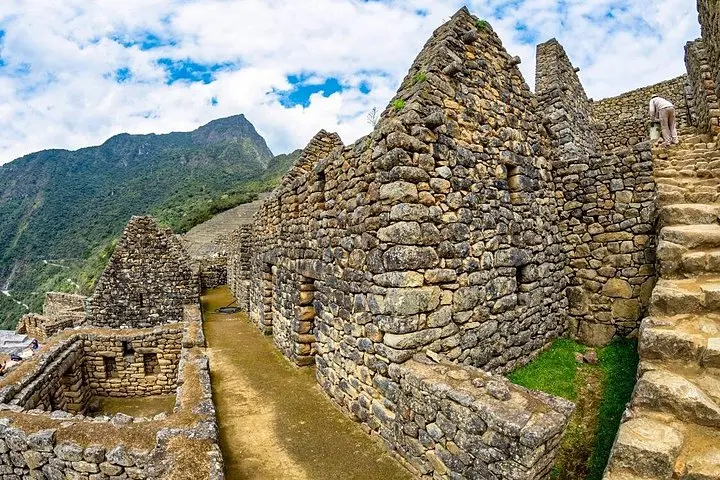
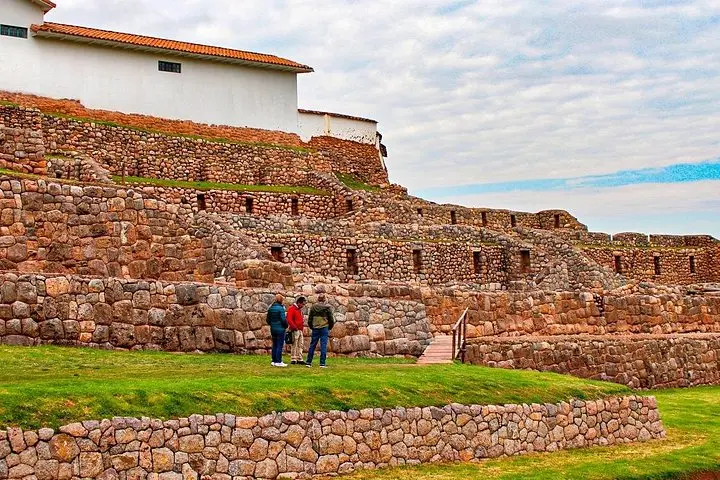
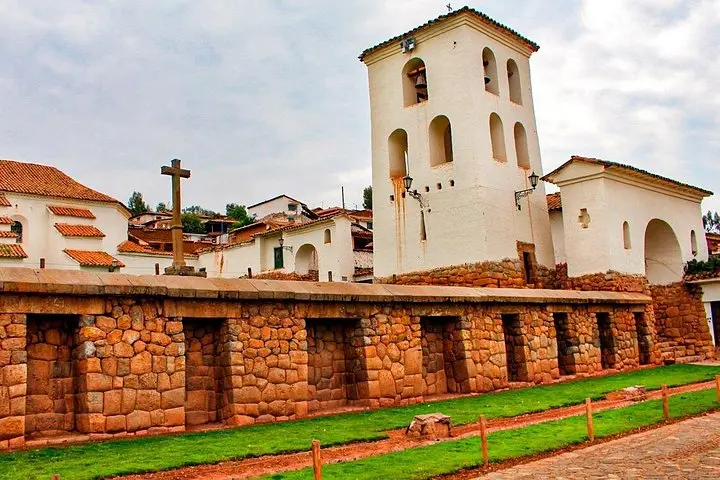
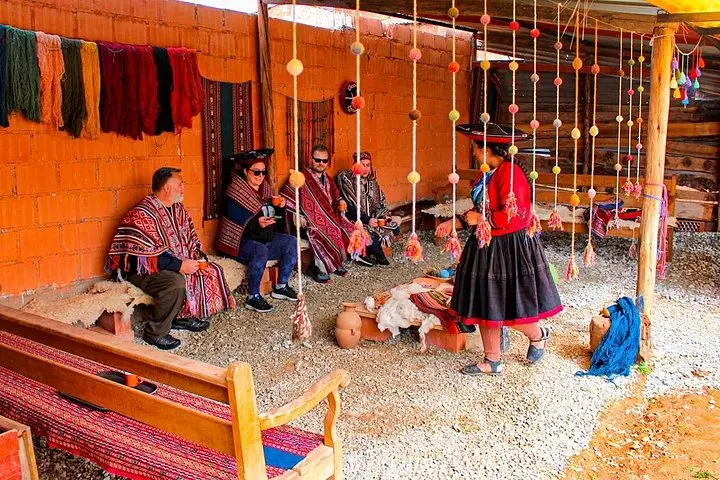
Dawn pulls cool light across terraced slopes as a minivan leaves Cusco and the valley unfolds — stony peaks, patchwork fields and towns that still weave daily life into cloth. On day one you move through living Andean culture: Chinchero’s market and textile demonstrations, the concentric agricultural rings of Moray that read like a geologic experiment, then the honeycomb salt pans of Maras and the stone streets of Ollantaytambo. Night falls in Aguas Calientes; the mountains hold Machu Picchu like a secret.
Dawn pulls cool light across terraced slopes as a minivan leaves Cusco and the valley unfolds — stony peaks, patchwork fields and towns that still weave daily life into cloth. On day one you move through living Andean culture: Chinchero’s market and textile demonstrations, the concentric agricultural rings of Moray that read like a geologic experiment, then the honeycomb salt pans of Maras and the stone streets of Ollantaytambo. Night falls in Aguas Calientes; the mountains hold Machu Picchu like a secret.
These places map centuries of adaptation. Moray’s circular terraces created microclimates the Incas used to trial crops; Maras’ salt pans predate the empire and keep a communal extraction tradition today. Ollantaytambo preserves Inca urban planning and strategic architecture, while Machu Picchu synthesizes ritual, astronomy and engineered waterworks.
Practically, the tour compresses travel: hotel pickup in Cusco, Sacred Valley transport, train from Ollantaytambo to Aguas Calientes, and bus access to Machu Picchu. Expect cobbled streets and steep stone steps; a guided Machu Picchu visit lasts about 2–3 hours, with optional Huayna or Machu Picchu Mountain hikes requiring separate tickets. Bring layers for rapid weather shifts, a sturdy pair of shoes for uneven Inca stone, and water — altitude and sun are real factors. Arrive early at the citadel to avoid peak crowds and to see the light skew the terraces into high relief.
Respect park rules: stay on marked paths, carry out waste, and hire registered guides to support local communities. The trip balances cultural immersion with archaeology and highland scenery — compact, educational, and physically accessible for most travelers.