THE ADVENTURE COLLECTIVE® · Independent discovery and booking for outdoor travel

Spend a full day exploring Pisac, Urubamba, Ollantaytambo and Chinchero on a guided loop from Cusco. Expect Inca terraces, fortress ruins, lively markets and a lesson in Andean agriculture and culture.
Spend a full day exploring Pisac, Urubamba, Ollantaytambo and Chinchero on a guided loop from Cusco. Expect Inca terraces, fortress ruins, lively markets and a lesson in Andean agriculture and culture.
You step out of the van and the valley takes its breath back — air thin, sun hard, ruined stone rising like deliberate geometry from steep terraces. The Sacred Valley unfurls below the high Andean ring: dry, wind-licked slopes give way to irrigated farms that still use Inca-era terraces, while village plazas hum with barter and weaving.
Verified experiences and guided adventures in the surrounding area.
Operated by Andes Peru Tour & Adventure · Urubamba, Cusco
You step out of the van and the valley takes its breath back — air thin, sun hard, ruined stone rising like deliberate geometry from steep terraces. The Sacred Valley unfurls below the high Andean ring: dry, wind-licked slopes give way to irrigated farms that still use Inca-era terraces, while village plazas hum with barter and weaving.
This full-day loop from Cusco visits Pisac, Urubamba, Ollantaytambo and Chinchero, places where Inca urban planning, agricultural engineering and colonial history sit side by side. The geology is clear: uplifted sedimentary layers carved by rivers, with glacial-polished peaks on the western skyline and rich alluvial soils in the valley floor that supported intensive pre-Columbian agriculture.
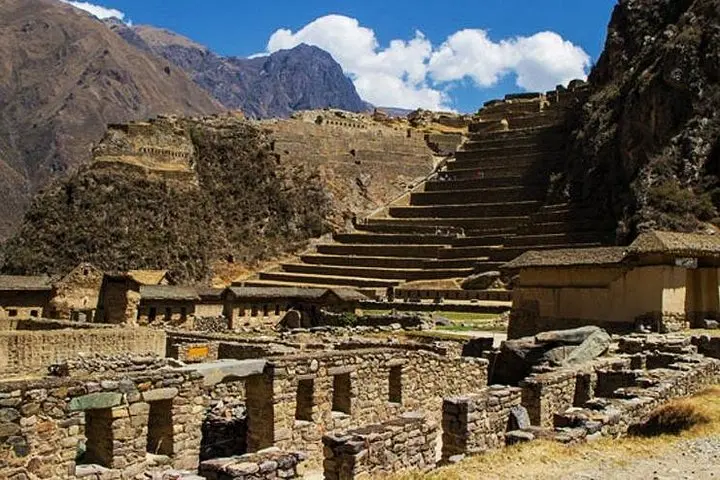
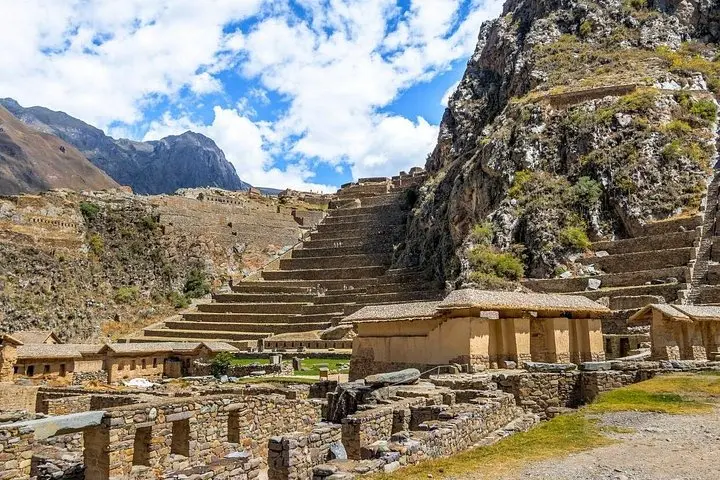
You’ll walk among Intihuatana stones, steep stairways and fortress terraces — structures built to control water, sightlines and storage. Local culture is visible in market stalls and Quechua-language masses; artisans still dye wool with plant and mineral pigments. Lunch in Urubamba introduces Andean staples: quinoa, roasted potatoes and stews flavored with native chilies.
Practical edge: expect long—but easy—walking on uneven stone paths and cobbled streets, repeated short climbs to viewpoints, and exposure to strong sun and altitude (2,800–3,400 m). Bring layered clothing, a sunhat, water and a small daypack. Plan for an early pickup in Cusco and a full 10-hour day; museums and archaeological sites have strict opening hours, so punctuality matters.
The Sacred Valley is both classroom and open-air workshop: historical lines you can touch, terraces that still feed farms, and villages where daily life continues on Inca foundations. Travel respectfully, carry out waste and give local vendors time and attention — the valley rewards curiosity with depth.
This is a full-day, approximately 10-hour tour that typically visits Pisac (market and ruins), Urubamba (lunch), Ollantaytambo (ruins) and Chinchero (market and colonial church).
Standard itineraries may not include site admission; check your booking details and bring cash or card for entry fees when applicable.
The tour is classified as easy but involves uneven ground and stair climbs; it’s suitable for most fitness levels but not ideal for those with significant mobility limitations.
Yes — bring Peruvian soles for markets, small food purchases and potential site entry fees, as many vendors and smaller sites prefer cash.
Andes Peru Tour & Adventure operates guided outdoor trips and adventures with an emphasis on safety, stewardship, and memorable experiences.
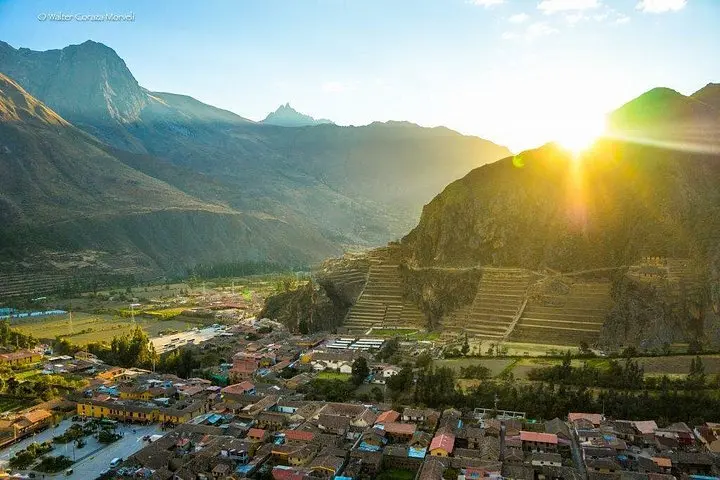
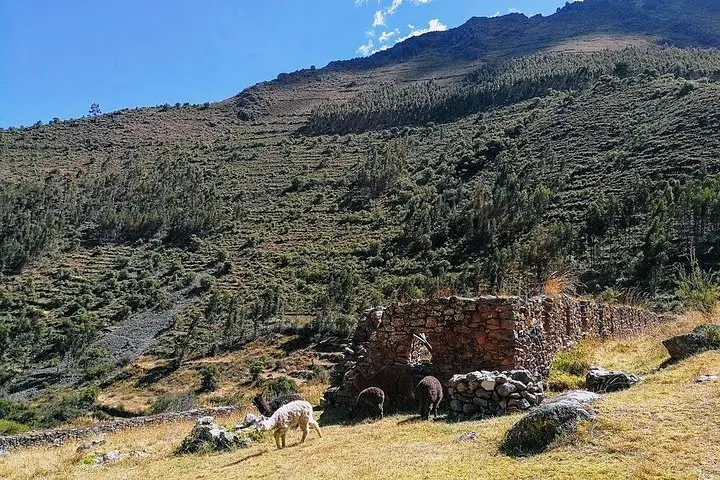
You step out of the van and the valley takes its breath back — air thin, sun hard, ruined stone rising like deliberate geometry from steep terraces. The Sacred Valley unfurls below the high Andean ring: dry, wind-licked slopes give way to irrigated farms that still use Inca-era terraces, while village plazas hum with barter and weaving.
You step out of the van and the valley takes its breath back — air thin, sun hard, ruined stone rising like deliberate geometry from steep terraces. The Sacred Valley unfurls below the high Andean ring: dry, wind-licked slopes give way to irrigated farms that still use Inca-era terraces, while village plazas hum with barter and weaving.
This full-day loop from Cusco visits Pisac, Urubamba, Ollantaytambo and Chinchero, places where Inca urban planning, agricultural engineering and colonial history sit side by side. The geology is clear: uplifted sedimentary layers carved by rivers, with glacial-polished peaks on the western skyline and rich alluvial soils in the valley floor that supported intensive pre-Columbian agriculture.
You’ll walk among Intihuatana stones, steep stairways and fortress terraces — structures built to control water, sightlines and storage. Local culture is visible in market stalls and Quechua-language masses; artisans still dye wool with plant and mineral pigments. Lunch in Urubamba introduces Andean staples: quinoa, roasted potatoes and stews flavored with native chilies.
Practical edge: expect long—but easy—walking on uneven stone paths and cobbled streets, repeated short climbs to viewpoints, and exposure to strong sun and altitude (2,800–3,400 m). Bring layered clothing, a sunhat, water and a small daypack. Plan for an early pickup in Cusco and a full 10-hour day; museums and archaeological sites have strict opening hours, so punctuality matters.
The Sacred Valley is both classroom and open-air workshop: historical lines you can touch, terraces that still feed farms, and villages where daily life continues on Inca foundations. Travel respectfully, carry out waste and give local vendors time and attention — the valley rewards curiosity with depth.