
Sacred Valley of the Incas: One-Day Cultural & Archaeological Tour from Cusco
Explore the Sacred Valley’s terraces, salt pans and living Inca towns in a single immersive day from Cusco. This guided loop visits Chinchero, Moray, Maras, Ollantaytambo and Pisac with lunch included.
An Adventure In Cusco.
Explore the Sacred Valley’s terraces, salt pans and living Inca towns in a single immersive day from Cusco. This guided loop visits Chinchero, Moray, Maras, Ollantaytambo and Pisac with lunch included.
Read the full experience
You step out of the van into a thin, bright air and the valley opens—steep terraces cutting into red-brown earth, the Urubamba River threading below like a determined line. Guides move with practiced calm, pointing to stone walls that still hold the memory of Inca planning.
You step out of the van into a thin, bright air and the valley opens—steep terraces cutting into red-brown earth, the Urubamba River threading below like a determined line. Guides move with practiced calm, pointing to stone walls that still hold the memory of Inca planning.
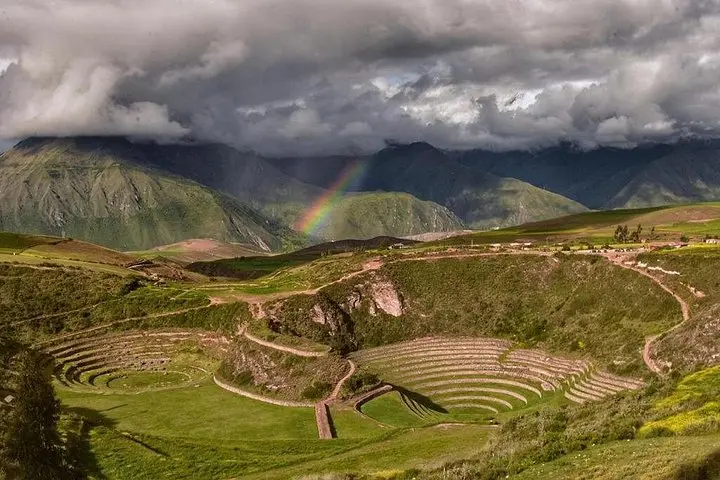
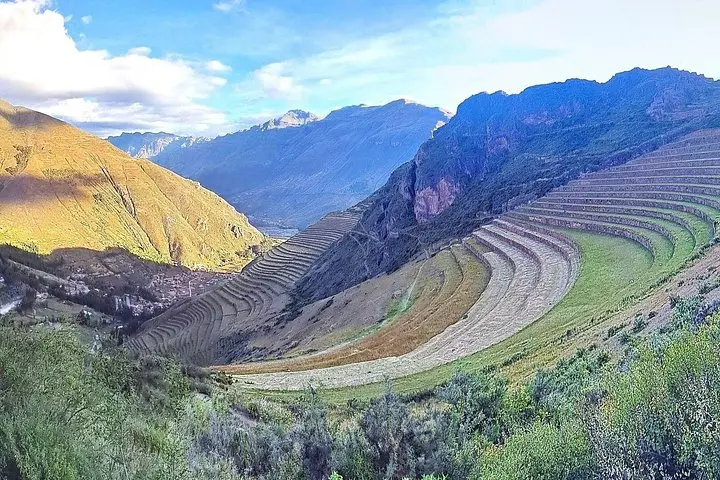
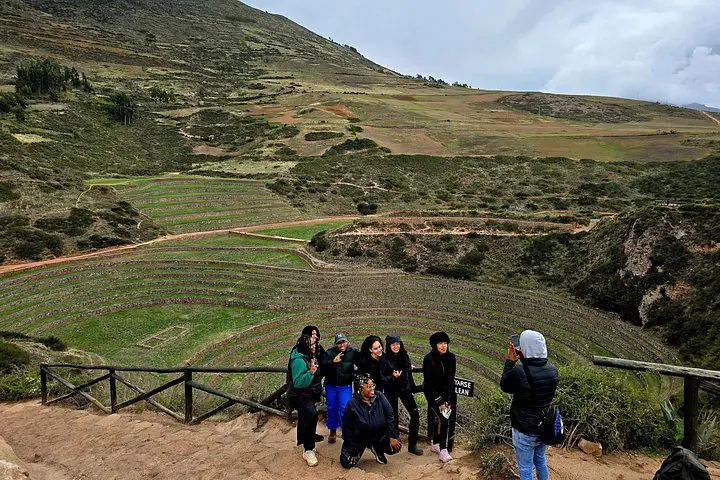
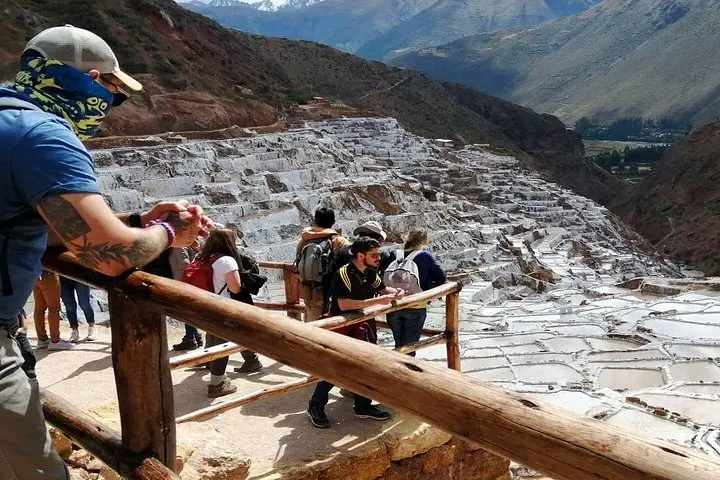
This one-day circuit threads Chinchero’s living textile traditions with the concentric agricultural amphitheaters of Moray, then down to the glittering pools of the Maras salt mines. Ollantaytambo’s narrow cobbled streets and massive stone constructions show Inca urban design in full force; Pisac’s terraces climb the slopes above the town like stepped diagrams of irrigation and labor. Geologically, the valley is a carved river corridor at roughly 2,800–3,400 m elevation, where erosion and Andean uplift reveal layered volcanic and sedimentary beds.
Culturally the route is a lesson: ancestral weaving techniques in Chinchero, agricultural experimentation at Moray, and communal salt-harvesting at Maras are living practices rooted in the Inca and pre-Inca eras. The Urubamba dares you to keep moving; its current shaped settlement patterns and trade routes for centuries.
Practicalities: expect a full 12-hour day on a shared minibus with several short on-foot visits and stairs. Altitude is the real variable—take two extra days in Cusco to acclimatize if possible, drink water, and move deliberately on steep terraces. Bring cash for craft markets and a camera with extra battery; sun and cold can alternate quickly, so layer up. The route is an accessible cultural trek through highland landscapes that reward curiosity and steady legs.
Frequently asked questions
It’s recommended to spend 24–48 hours in Cusco before the tour; if you feel severe symptoms, skip strenuous activities and seek medical advice.
Some archaeological site admissions are included on guided tours, but check the operator’s details and carry cash for any additional fees or optional visits.
Families with children can usually join, but young kids should be comfortable with long days, stairs, and occasional steep walking.
Yes—this itinerary runs as a shared tour with round-trip transport from predefined pickup points in Cusco.
About This Experience
TM PERU TRAVEL operates guided outdoor trips and adventures with an emphasis on safety, stewardship, and memorable experiences.
Adventure tips
Recommended gear
- Sturdy walking shoes: Provides traction on cobbled streets and steep terraces.
- Hydration system (1–2 L): Altitude increases dehydration—carry sufficient water for the day.
- Sun protection (hat, SPF 30+): High-altitude sun is intense even when temperatures are cool.
- Insulating layer or light jacket: Mornings and evenings can be cold; pack a warm, breathable layer.
Photos of the experience
Related adventures & guides
Read the full experience
You step out of the van into a thin, bright air and the valley opens—steep terraces cutting into red-brown earth, the Urubamba River threading below like a determined line. Guides move with practiced calm, pointing to stone walls that still hold the memory of Inca planning.
You step out of the van into a thin, bright air and the valley opens—steep terraces cutting into red-brown earth, the Urubamba River threading below like a determined line. Guides move with practiced calm, pointing to stone walls that still hold the memory of Inca planning.
This one-day circuit threads Chinchero’s living textile traditions with the concentric agricultural amphitheaters of Moray, then down to the glittering pools of the Maras salt mines. Ollantaytambo’s narrow cobbled streets and massive stone constructions show Inca urban design in full force; Pisac’s terraces climb the slopes above the town like stepped diagrams of irrigation and labor. Geologically, the valley is a carved river corridor at roughly 2,800–3,400 m elevation, where erosion and Andean uplift reveal layered volcanic and sedimentary beds.
Culturally the route is a lesson: ancestral weaving techniques in Chinchero, agricultural experimentation at Moray, and communal salt-harvesting at Maras are living practices rooted in the Inca and pre-Inca eras. The Urubamba dares you to keep moving; its current shaped settlement patterns and trade routes for centuries.
Practicalities: expect a full 12-hour day on a shared minibus with several short on-foot visits and stairs. Altitude is the real variable—take two extra days in Cusco to acclimatize if possible, drink water, and move deliberately on steep terraces. Bring cash for craft markets and a camera with extra battery; sun and cold can alternate quickly, so layer up. The route is an accessible cultural trek through highland landscapes that reward curiosity and steady legs.
Make a day of it nearby.
Verified experiences and guided adventures in the surrounding area.