THE ADVENTURE COLLECTIVE® · Independent discovery and booking for outdoor travel

Spend a day moving through the Sacred Valley’s terraces, salt pans, and fortress towns with a bilingual guide. This premium tour blends accessible walks with cultural stops and a buffet lunch, ideal for travelers who want a concise, informed overview of Inca heritage.
Spend a day moving through the Sacred Valley’s terraces, salt pans, and fortress towns with a bilingual guide. This premium tour blends accessible walks with cultural stops and a buffet lunch, ideal for travelers who want a concise, informed overview of Inca heritage.
Dawn finds the minivan threading the Urubamba Valley while the Andes stand like slow-moving guardians, their ridgelines catching the first cold light. You arrive at terraces and plazas that still hold the geometry of an order designed for crops, water and ceremony; wind over the salt pans at Maras seems to hum with old trade routes.
Verified experiences and guided adventures in the surrounding area.
Operated by Ausangate trail · Ollantaytambo, Cusco Region
Dawn finds the minivan threading the Urubamba Valley while the Andes stand like slow-moving guardians, their ridgelines catching the first cold light. You arrive at terraces and plazas that still hold the geometry of an order designed for crops, water and ceremony; wind over the salt pans at Maras seems to hum with old trade routes.
This full-day route moves from the colonial weavings of Chinchero to the concentric agricultural amphitheater of Moray, then down to the shimmering salt pans of Maras and on to the fortress town of Ollantaytambo and Pisac’s hillside citadel. Geology here is obvious: steep glacial valleys carved into layered volcanic and sedimentary rock, shaped by high-altitude rivers that dared the Incas to engineer canals and terraces. Culture remains immediate — Quechua-speaking communities, weaving workshops, and market stalls where traditional dyeing and alpaca textiles are practiced the same way for generations.
Practically, expect an early hotel pickup in Cusco, roughly 8 hours on the road with several short walks and steps at each site. The tour includes a buffet lunch and bilingual guide; entrance fees are typically separate, so carry cash. Footing is uneven on ancient stone; sun and altitude are the bigger challenges — hydrate, pace yourself, and layer clothing. Photographers will find dramatic, wide-angle vistas; market hunters should budget time and local currency for haggling. If you want more time in any site, plan a private or multi-day itinerary — the premium full-day format gives breadth and context, not exhaustive immersion.
Pickup is typically between 6:30–7:00 AM from hotels in Cusco to maximize daylight and avoid mid-day crowds.
Most standard tour prices exclude some site entrance fees; bring local currency for any admissions not covered by the operator.
The tour involves uneven ground and stairs at several sites; it’s suitable for light-moderate mobility but not for those who cannot navigate steps or rough paths.
Cusco sits above 3,300 m; some visitors experience mild symptoms. Rest beforehand, hydrate, avoid alcohol the night before, and notify your guide if you feel unwell.
Ausangate trail operates guided outdoor trips and adventures with an emphasis on safety, stewardship, and memorable experiences.
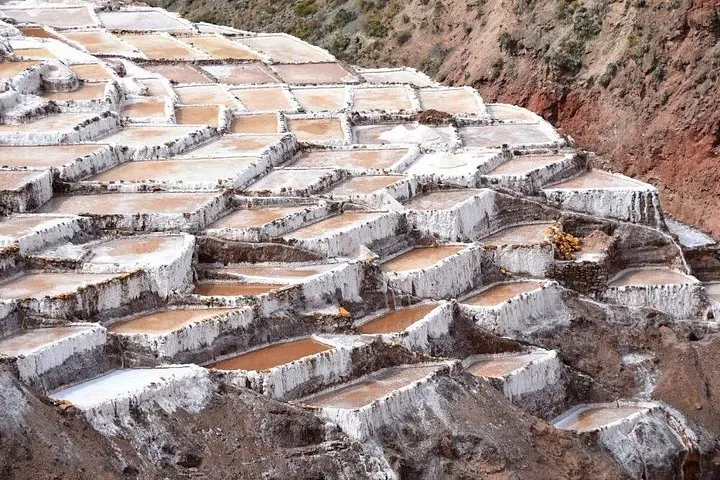
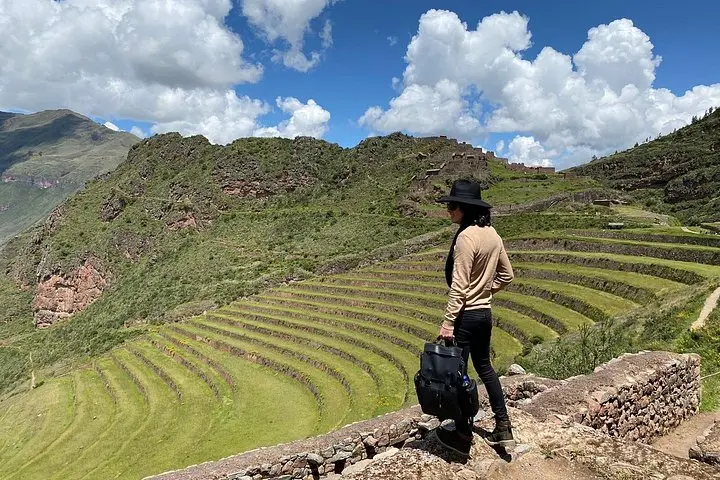
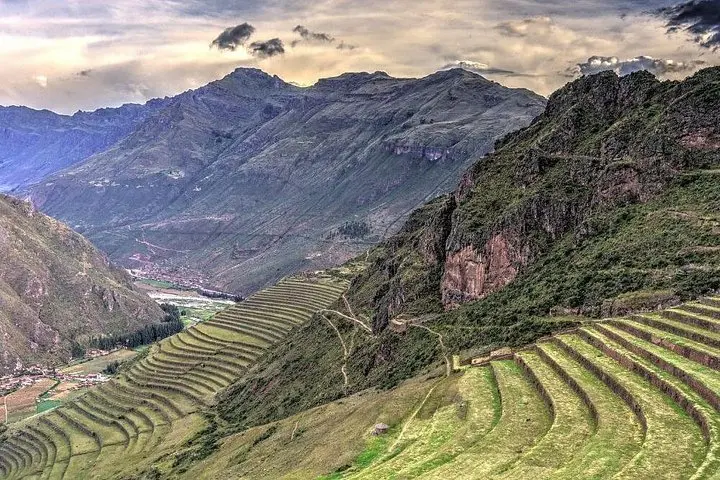
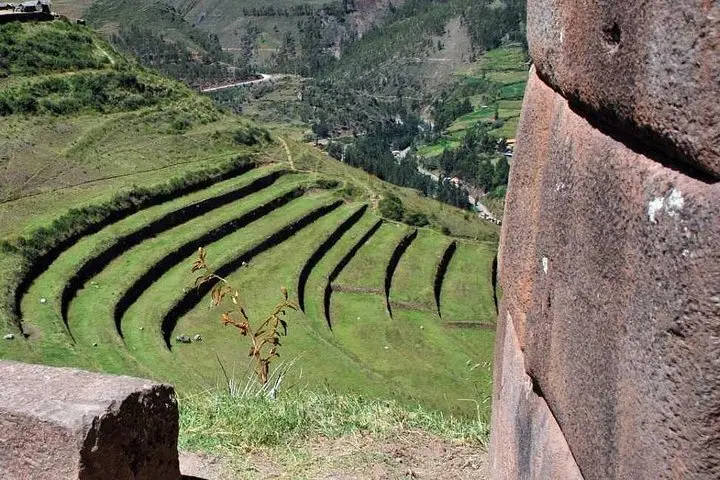
Dawn finds the minivan threading the Urubamba Valley while the Andes stand like slow-moving guardians, their ridgelines catching the first cold light. You arrive at terraces and plazas that still hold the geometry of an order designed for crops, water and ceremony; wind over the salt pans at Maras seems to hum with old trade routes.
Dawn finds the minivan threading the Urubamba Valley while the Andes stand like slow-moving guardians, their ridgelines catching the first cold light. You arrive at terraces and plazas that still hold the geometry of an order designed for crops, water and ceremony; wind over the salt pans at Maras seems to hum with old trade routes.
This full-day route moves from the colonial weavings of Chinchero to the concentric agricultural amphitheater of Moray, then down to the shimmering salt pans of Maras and on to the fortress town of Ollantaytambo and Pisac’s hillside citadel. Geology here is obvious: steep glacial valleys carved into layered volcanic and sedimentary rock, shaped by high-altitude rivers that dared the Incas to engineer canals and terraces. Culture remains immediate — Quechua-speaking communities, weaving workshops, and market stalls where traditional dyeing and alpaca textiles are practiced the same way for generations.
Practically, expect an early hotel pickup in Cusco, roughly 8 hours on the road with several short walks and steps at each site. The tour includes a buffet lunch and bilingual guide; entrance fees are typically separate, so carry cash. Footing is uneven on ancient stone; sun and altitude are the bigger challenges — hydrate, pace yourself, and layer clothing. Photographers will find dramatic, wide-angle vistas; market hunters should budget time and local currency for haggling. If you want more time in any site, plan a private or multi-day itinerary — the premium full-day format gives breadth and context, not exhaustive immersion.