THE ADVENTURE COLLECTIVE® · Independent discovery and booking for outdoor travel

A private full-day through the Sacred Valley that pairs living Andean culture with impressive Inca engineering. Visit Chincheros’ textile traditions, lunch in Maras, then explore Moray’s circular terraces and the salt ponds—great for photographers and culture-minded travelers.
A private full-day through the Sacred Valley that pairs living Andean culture with impressive Inca engineering. Visit Chincheros’ textile traditions, lunch in Maras, then explore Moray’s circular terraces and the salt ponds—great for photographers and culture-minded travelers.
You start the day climbing out of Cusco’s narrow streets and into the high plain where wind shapes the grass and terraces step down like deliberate breaths. The van eases onto a dirt shoulder, the Andes opening wide; villagers in woven hats move between fields, the air thin and sharp enough to rouse the senses.
Verified experiences and guided adventures in the surrounding area.
Operated by Cultural Immersion Travel Peru E.I.R.L. · Maras, Cusco Region
You start the day climbing out of Cusco’s narrow streets and into the high plain where wind shapes the grass and terraces step down like deliberate breaths. The van eases onto a dirt shoulder, the Andes opening wide; villagers in woven hats move between fields, the air thin and sharp enough to rouse the senses.
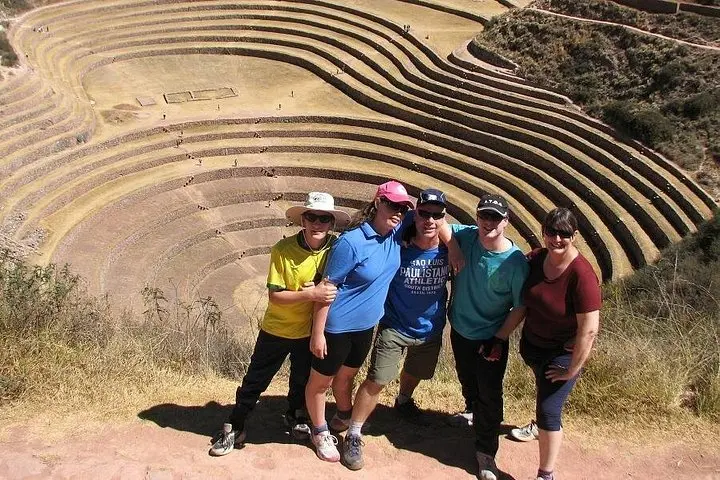
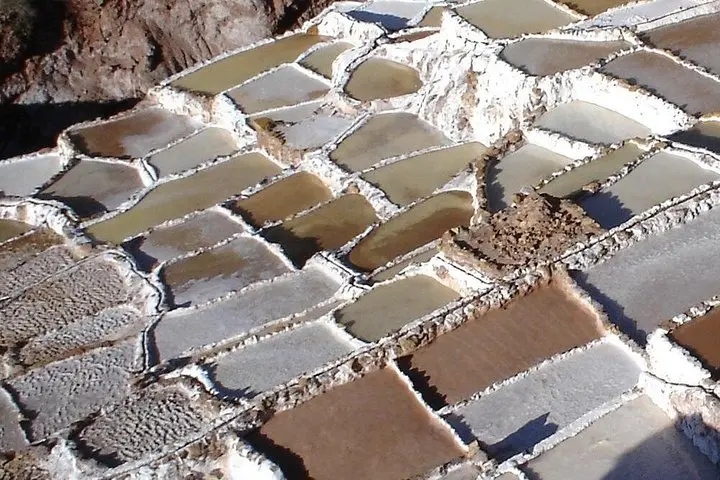
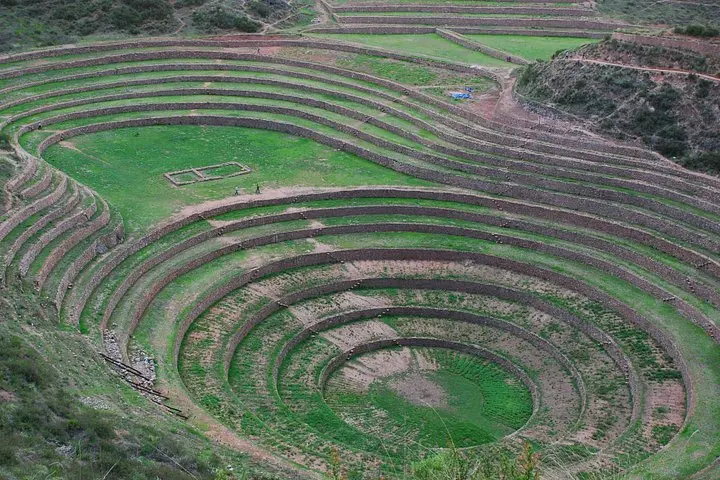
This loop—Chincheros, Maras, Moray—reads like a compact history of Andean agriculture. Moray’s concentric terraces are not decorative: they are an Inca laboratory in stone, each ring creating a distinct microclimate. Nearby, the salt ponds of Maras glimmer like a fragile quilt—pre-Incan evaporation pans still harvested by hand. Chincheros preserves living culture; Quechua is spoken, looms click, and traditional dress marks generations.
Geology here is blunt: uplifted volcanic rock and a network of irrigation dating to before the empire. The river that carved the Sacred Valley keeps pushing cultivators to innovate; terraces and salt ponds are human answers to steep slopes and high-altitude sun.
Practically, expect light to moderate walking on uneven stone and packed-earth paths at elevations ranging roughly 3,300–3,700 m. The private format means a relaxed pace, time for a home-cooked lunch in Maras, and flexibility for photos or a quick walk to viewpoints. Hydrate, move slowly if you’re arriving from low altitude, and plan for bright sun and possible afternoon showers in the wet season. The tour is ideal for travelers who want cultural immersion with minimal trekking but maximum context.
The private tour runs about 7 hours and typically includes private transport, a bilingual guide, lunch in Maras, and all local transfers; some entrance fees may be paid on-site.
Sites sit between roughly 3,300–3,700 m; mild altitude effects are common—acclimatize in Cusco, hydrate, and avoid heavy exertion if you feel unwell.
Yes—walking is light and customizable, but the tour requires short walks on uneven terrain; inform the operator of mobility needs when booking.
Yes—hosts can provide vegetarian options if requested at booking; advise the operator in advance for other dietary needs.
Cultural Immersion Travel Peru E.I.R.L. operates guided outdoor trips and adventures with an emphasis on safety, stewardship, and memorable experiences.
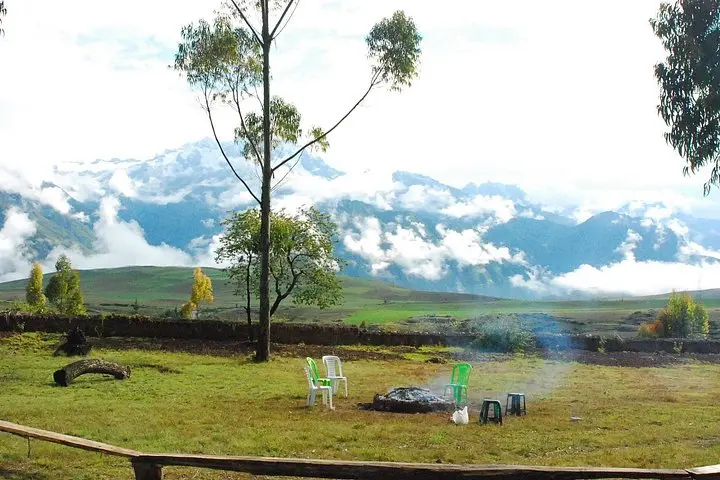
You start the day climbing out of Cusco’s narrow streets and into the high plain where wind shapes the grass and terraces step down like deliberate breaths. The van eases onto a dirt shoulder, the Andes opening wide; villagers in woven hats move between fields, the air thin and sharp enough to rouse the senses.
You start the day climbing out of Cusco’s narrow streets and into the high plain where wind shapes the grass and terraces step down like deliberate breaths. The van eases onto a dirt shoulder, the Andes opening wide; villagers in woven hats move between fields, the air thin and sharp enough to rouse the senses.
This loop—Chincheros, Maras, Moray—reads like a compact history of Andean agriculture. Moray’s concentric terraces are not decorative: they are an Inca laboratory in stone, each ring creating a distinct microclimate. Nearby, the salt ponds of Maras glimmer like a fragile quilt—pre-Incan evaporation pans still harvested by hand. Chincheros preserves living culture; Quechua is spoken, looms click, and traditional dress marks generations.
Geology here is blunt: uplifted volcanic rock and a network of irrigation dating to before the empire. The river that carved the Sacred Valley keeps pushing cultivators to innovate; terraces and salt ponds are human answers to steep slopes and high-altitude sun.
Practically, expect light to moderate walking on uneven stone and packed-earth paths at elevations ranging roughly 3,300–3,700 m. The private format means a relaxed pace, time for a home-cooked lunch in Maras, and flexibility for photos or a quick walk to viewpoints. Hydrate, move slowly if you’re arriving from low altitude, and plan for bright sun and possible afternoon showers in the wet season. The tour is ideal for travelers who want cultural immersion with minimal trekking but maximum context.