THE ADVENTURE COLLECTIVE® · Independent discovery and booking for outdoor travel

This private, full-day Sacred Valley tour connects Pisac’s market and ruins with the fortress terraces of Ollantaytambo, plus a buffet lunch in Urubamba. Ideal for acclimatizing before Machu Picchu, the route combines accessible walking with rich Inca history.
This private, full-day Sacred Valley tour connects Pisac’s market and ruins with the fortress terraces of Ollantaytambo, plus a buffet lunch in Urubamba. Ideal for acclimatizing before Machu Picchu, the route combines accessible walking with rich Inca history.
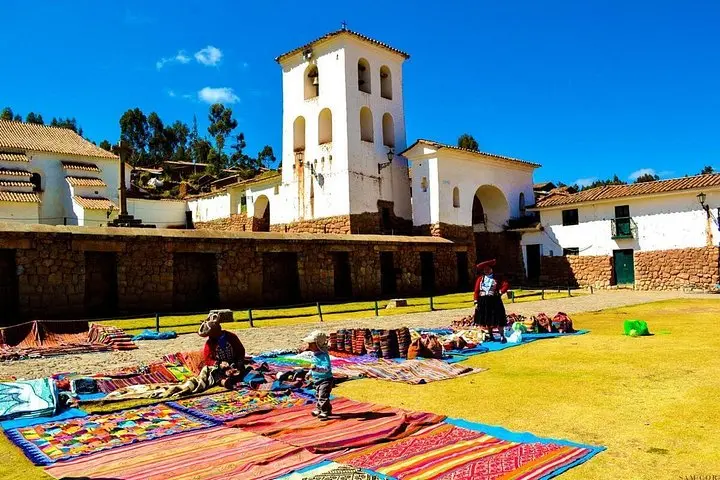
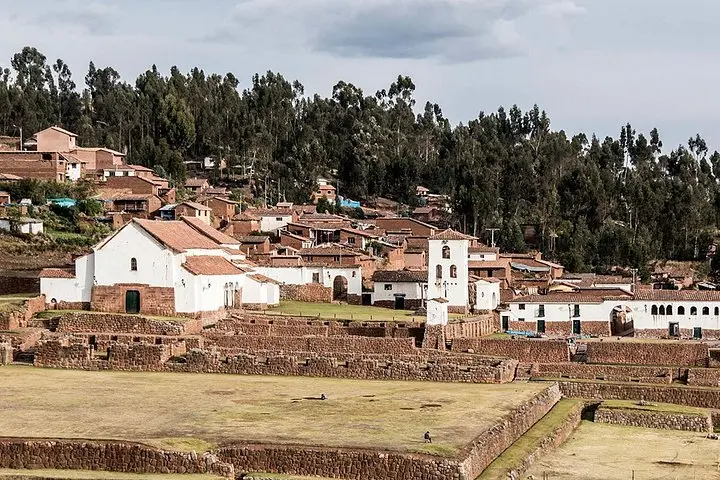
Sunlight slices the canyon as you descend from Cusco into the Sacred Valley — terraces step down to the green ribbon of the Urubamba River and village smoke spirals from stone chimneys. The air feels thinner but clearer; llamas browse beside ancient walls while Quechua vendors arrange bright weavings on the town square.
Verified experiences and guided adventures in the surrounding area.
Operated by Andes Peru Tour & Adventure · Urubamba, Cusco Region
Sunlight slices the canyon as you descend from Cusco into the Sacred Valley — terraces step down to the green ribbon of the Urubamba River and village smoke spirals from stone chimneys. The air feels thinner but clearer; llamas browse beside ancient walls while Quechua vendors arrange bright weavings on the town square.
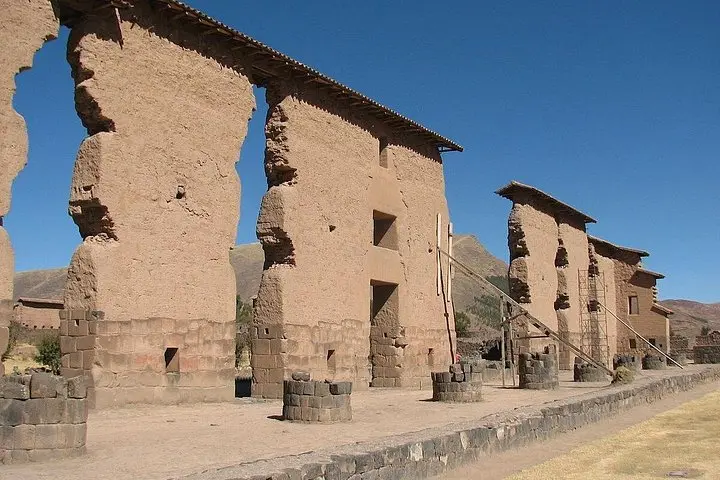
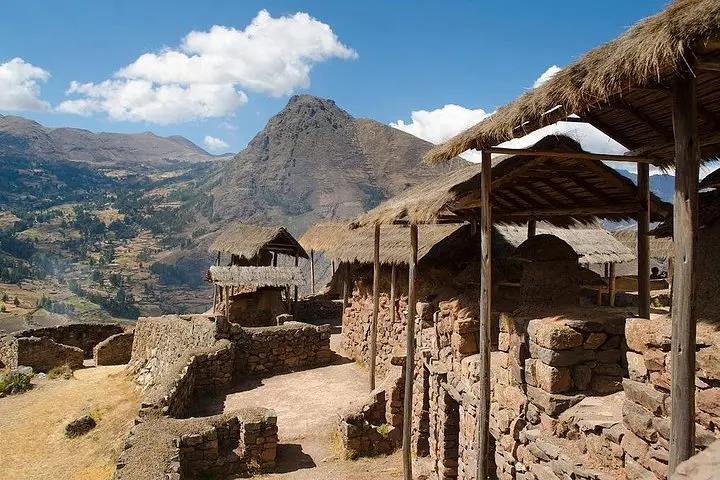
This private, full-day circuit focuses on two of the valley’s anchors: Pisac and Ollantaytambo. Pisac’s market and hilltop ruins reveal the valley’s role as an Inca agricultural hub and defensive outpost, its terraces still holding soil and history. Ollantaytambo’s fortress and ceremonial platforms present massive masonry and engineered irrigation channels that once channeled the river itself. Geologically the valley is a glacial-cut corridor between Andean peaks, feeding rich soils that supported the empire. Culturally, the valley remains populated by Quechua communities where traditional dress and crafts are everyday life.
Practically, expect a 10-hour day with coach transfers, a buffet lunch in Urubamba, bilingual guide, and skip-the-line access at main sites. The route is low-impact walking: stone steps and steep switchbacks at ruins, plus market browsing on uneven pavement. Acclimate for 24–48 hours in Cusco, bring layered clothing for sun and wind, and carry small change for market purchases. Many travelers end the day in Ollantaytambo to board the train to Aguas Calientes for Machu Picchu. The tour balances context and convenience — a concentrated primer on the Sacred Valley’s landscapes, engineering, and living culture before you continue deeper into the Andes.
The private tour runs about 10 hours; pickup is typically in the morning from Cusco’s Plaza de Armas (confirm exact time with your operator).
Yes, the itinerary lists admissions included and provides skip-the-line access for the key sites; verify boleto turístico coverage if visiting additional sites later.
Yes — many guests choose to end in Ollantaytambo and board the train to Aguas Calientes for Machu Picchu the following day.
The tour is rated easy for general fitness, but some ruin areas have steep steps and uneven ground; children and guests with mobility issues should plan accordingly.
Andes Peru Tour & Adventure operates guided outdoor trips and adventures with an emphasis on safety, stewardship, and memorable experiences.
Sunlight slices the canyon as you descend from Cusco into the Sacred Valley — terraces step down to the green ribbon of the Urubamba River and village smoke spirals from stone chimneys. The air feels thinner but clearer; llamas browse beside ancient walls while Quechua vendors arrange bright weavings on the town square.
Sunlight slices the canyon as you descend from Cusco into the Sacred Valley — terraces step down to the green ribbon of the Urubamba River and village smoke spirals from stone chimneys. The air feels thinner but clearer; llamas browse beside ancient walls while Quechua vendors arrange bright weavings on the town square.
This private, full-day circuit focuses on two of the valley’s anchors: Pisac and Ollantaytambo. Pisac’s market and hilltop ruins reveal the valley’s role as an Inca agricultural hub and defensive outpost, its terraces still holding soil and history. Ollantaytambo’s fortress and ceremonial platforms present massive masonry and engineered irrigation channels that once channeled the river itself. Geologically the valley is a glacial-cut corridor between Andean peaks, feeding rich soils that supported the empire. Culturally, the valley remains populated by Quechua communities where traditional dress and crafts are everyday life.
Practically, expect a 10-hour day with coach transfers, a buffet lunch in Urubamba, bilingual guide, and skip-the-line access at main sites. The route is low-impact walking: stone steps and steep switchbacks at ruins, plus market browsing on uneven pavement. Acclimate for 24–48 hours in Cusco, bring layered clothing for sun and wind, and carry small change for market purchases. Many travelers end the day in Ollantaytambo to board the train to Aguas Calientes for Machu Picchu. The tour balances context and convenience — a concentrated primer on the Sacred Valley’s landscapes, engineering, and living culture before you continue deeper into the Andes.