THE ADVENTURE COLLECTIVE® · Independent discovery and booking for outdoor travel

Explore Pisac’s cliffside terraces, savor a Urubamba lunch, and walk Ollantaytambo’s Inca streets before taking the train toward Machu Picchu. This two‑day tour combines hands-on archaeology, market culture, and manageable hikes in the Urubamba Valley.
Explore Pisac’s cliffside terraces, savor a Urubamba lunch, and walk Ollantaytambo’s Inca streets before taking the train toward Machu Picchu. This two‑day tour combines hands-on archaeology, market culture, and manageable hikes in the Urubamba Valley.
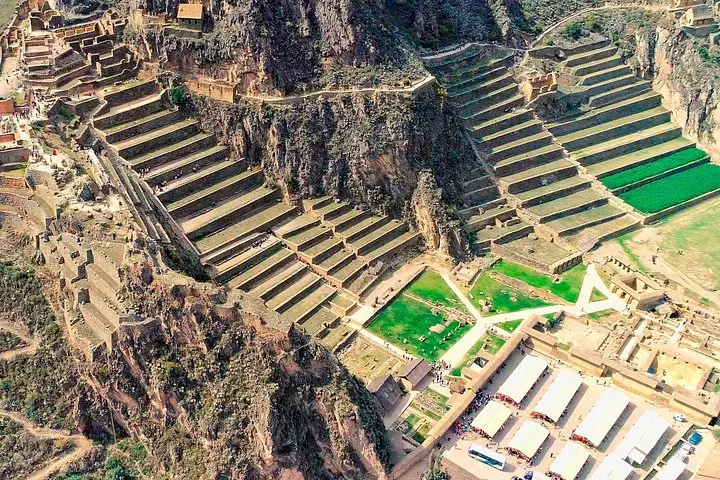
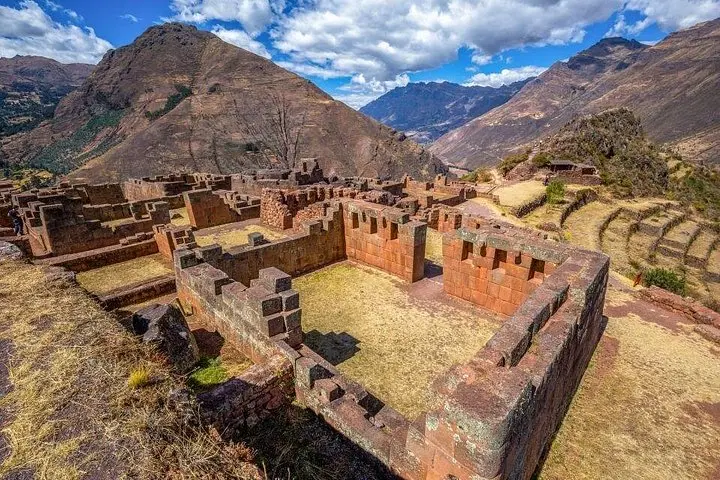
You step out onto a cool Andean morning as the bus threads the Urubamba Valley, terraces stepping down the hillsides like hand-cut stairways. The air is thin but bright; the river below dares you to follow its ribbon toward hidden ruins. By mid-morning stone walls at Pisac rise above the town—imposing, worked so precisely they still lock together without mortar.
Verified experiences and guided adventures in the surrounding area.
Operated by tripscape · Cusco, Cusco
You step out onto a cool Andean morning as the bus threads the Urubamba Valley, terraces stepping down the hillsides like hand-cut stairways. The air is thin but bright; the river below dares you to follow its ribbon toward hidden ruins. By mid-morning stone walls at Pisac rise above the town—imposing, worked so precisely they still lock together without mortar.
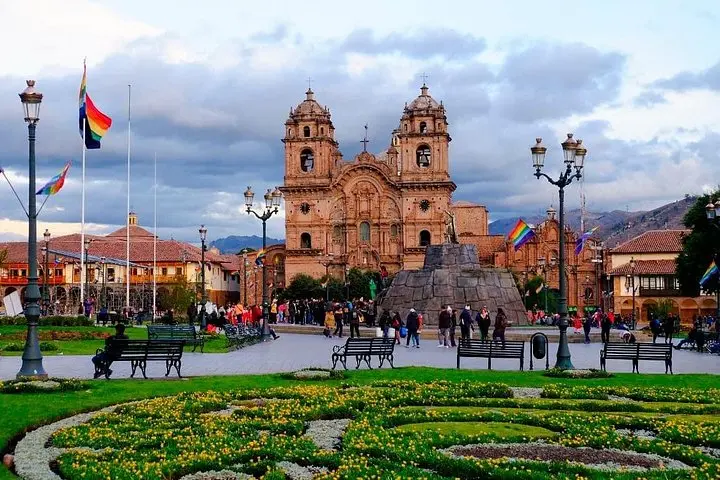
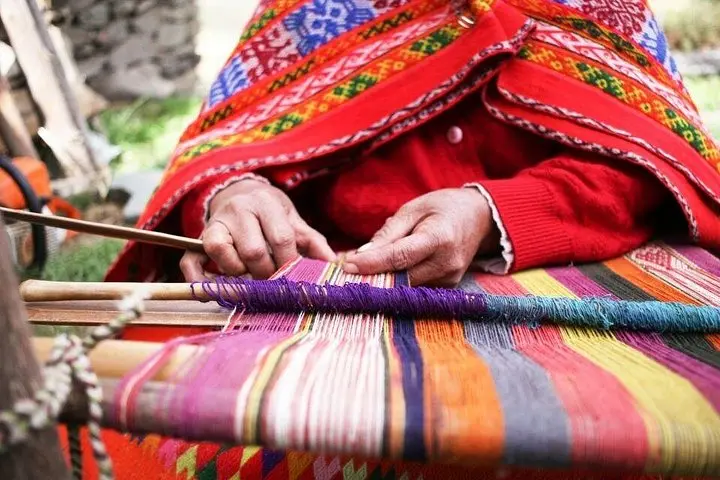
This two-day route traces Inca ingenuity and living culture. The Sacred Valley’s geology is a fold of young Andes—steep gorges, fluvial terraces, and rich volcanic soils that made high-altitude agriculture possible. Pisac’s cemetery and terraces reveal social and agricultural systems; Ollantaytambo stands as a fortified, functioning Inca citadel with grain stores and carved monoliths. The valley’s contemporary pulse is textile markets, small chacras (farms) and restaurants in Urubamba where local produce defines the midday pause.
Practically, expect moderate walking on uneven stone and staircases, short transfers by comfortable bus, and a train transfer from Ollantaytambo to Aguas Calientes if you choose the overnight option. Guides typically pick up around 8:00 a.m.; bring layers for sharp temperature swings, sun protection for high UV, and small bills for market purchases. Acclimatize in Cusco for a day or two if possible—altitude influences energy more than distance.
Timing matters: arrive at Machu Picchu early for softer light and fewer people, and plan meals around train schedules. The tour balances cultural context with outdoor movement—ideal for travelers who want history, landscape, and a straightforward path to one of the world’s great archaeological sites.
Walking segments include short to moderate walks at archaeological sites (30–120 minutes per site) with transfers by bus and one train segment if overnight is chosen.
The itinerary indicates visits to Machu Picchu are arranged; confirm ticket inclusion at booking since options may vary between day‑trip and overnight packages.
Yes—bring Peruvian soles for market purchases, gratuities, and small purchases; card acceptance can be limited in smaller towns.
The tour involves uneven stone, stairs, and some walking; it is not ideal for those with significant mobility restrictions.
tripscape operates guided outdoor trips and adventures with an emphasis on safety, stewardship, and memorable experiences.
You step out onto a cool Andean morning as the bus threads the Urubamba Valley, terraces stepping down the hillsides like hand-cut stairways. The air is thin but bright; the river below dares you to follow its ribbon toward hidden ruins. By mid-morning stone walls at Pisac rise above the town—imposing, worked so precisely they still lock together without mortar.
You step out onto a cool Andean morning as the bus threads the Urubamba Valley, terraces stepping down the hillsides like hand-cut stairways. The air is thin but bright; the river below dares you to follow its ribbon toward hidden ruins. By mid-morning stone walls at Pisac rise above the town—imposing, worked so precisely they still lock together without mortar.
This two-day route traces Inca ingenuity and living culture. The Sacred Valley’s geology is a fold of young Andes—steep gorges, fluvial terraces, and rich volcanic soils that made high-altitude agriculture possible. Pisac’s cemetery and terraces reveal social and agricultural systems; Ollantaytambo stands as a fortified, functioning Inca citadel with grain stores and carved monoliths. The valley’s contemporary pulse is textile markets, small chacras (farms) and restaurants in Urubamba where local produce defines the midday pause.
Practically, expect moderate walking on uneven stone and staircases, short transfers by comfortable bus, and a train transfer from Ollantaytambo to Aguas Calientes if you choose the overnight option. Guides typically pick up around 8:00 a.m.; bring layers for sharp temperature swings, sun protection for high UV, and small bills for market purchases. Acclimatize in Cusco for a day or two if possible—altitude influences energy more than distance.
Timing matters: arrive at Machu Picchu early for softer light and fewer people, and plan meals around train schedules. The tour balances cultural context with outdoor movement—ideal for travelers who want history, landscape, and a straightforward path to one of the world’s great archaeological sites.