
Sacred Valley Tour: Pisac, Ollantaytambo & Andean Villages Day Trip
A full-day circuit through the Sacred Valley takes you from the lively Pisac market to the living Inca city of Ollantaytambo, weaving highland villages, terraces and river-carved vistas. This tour pairs archeological highlights with practical on-the-ground tips for altitude, walking and local shopping.
An Adventure In Cusco.
A full-day circuit through the Sacred Valley takes you from the lively Pisac market to the living Inca city of Ollantaytambo, weaving highland villages, terraces and river-carved vistas. This tour pairs archeological highlights with practical on-the-ground tips for altitude, walking and local shopping.
Read the full experience
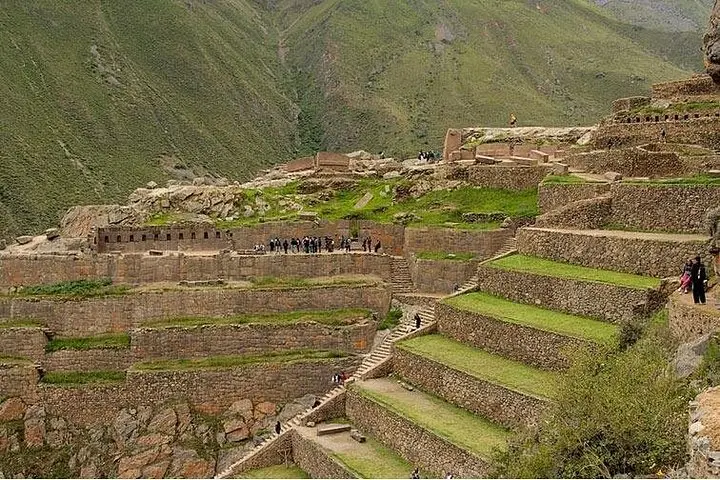
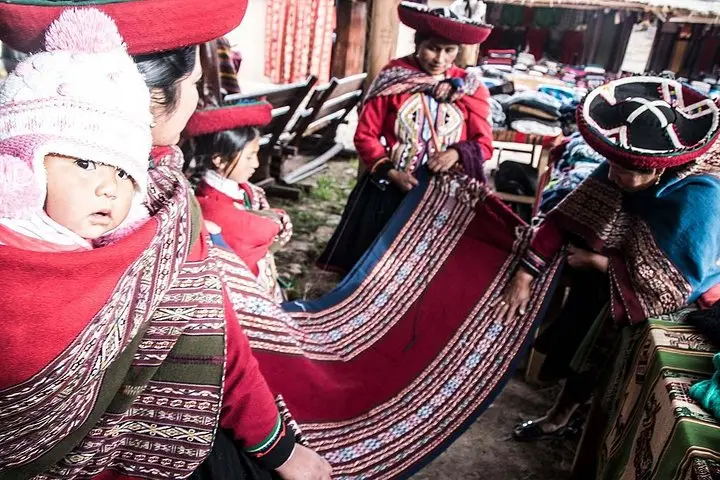
You step out of a minivan as the Urubamba River pulls light across volcanic rock, daring you to follow the valley that fed an empire. Morning light slices through highland air over P'isaq’s market—woven textiles, cornmeal stalls and the quick bartering of villagers—before the group climbs loose stone steps to terraces carved into the mountainside.
You step out of a minivan as the Urubamba River pulls light across volcanic rock, daring you to follow the valley that fed an empire. Morning light slices through highland air over P'isaq’s market—woven textiles, cornmeal stalls and the quick bartering of villagers—before the group climbs loose stone steps to terraces carved into the mountainside.
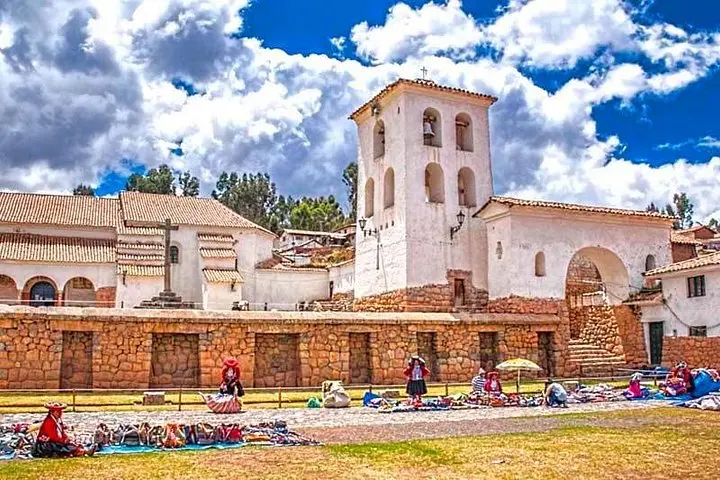
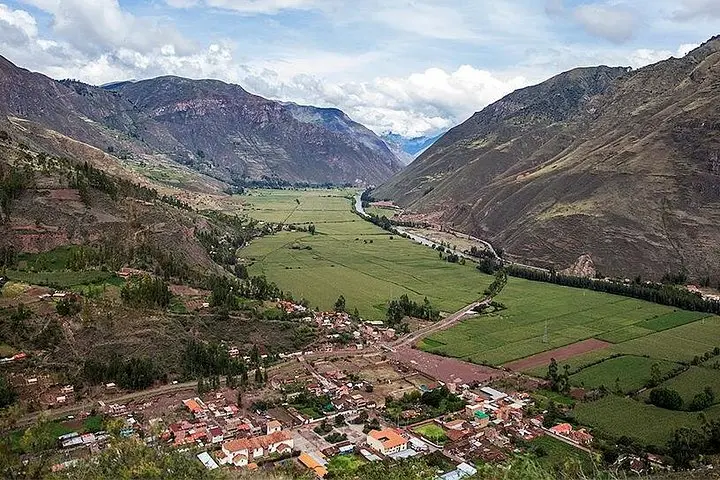
This is the Sacred Valley of the Incas: a corridor of arable land shaped by terraces, irrigation channels and roads that once supplied Cusco. Geologically the valley cuts through Andean uplift and volcanic deposits, creating steep walls and broad river benches where quinoa and corn have been cultivated for centuries. Culturally the route threads Quechua-speaking villages—Calca, Urubamba, Chinchero—and Inca sites like Pisac and Ollantaytambo that show sophisticated urban planning, masonry and hydraulic engineering.
Practical guidance: the full-day tour runs roughly 12 hours with multiple short walks—expect cobbled streets, stone stairways and terrace trails with intermittent elevation changes (roughly 200–400 m of short ascents). Altitude ranges from about 2,700–3,300 m, so hydrate, move slowly and consider acetazolamide if you’re prone to altitude sickness. Wear grippy shoes for uneven stone, sun protection for long open vistas, and bring small bills for market purchases and site admissions (you must purchase the tourist ticket for archaeological sites). Lunch is typically a buffet in Urubamba; timing leaves afternoon light for Ollantaytambo or Chinchero at sunset. Guides provide local history and logistics—listen for the practical route notes and respect restricted areas at ruins.
Frequently asked questions
Yes—travelers are required to purchase the regional tourist ticket (General or partial for Sacred Valley sites); your guide will advise which pass you need.
Expect several short walks on uneven terrain and stone stairways—individuals should be comfortable with moderate, intermittent exertion at high altitude.
Not recommended for travelers with spinal, cardiovascular conditions or for pregnant visitors due to altitude and uneven terrain; check with provider for child policies.
Yes—most itineraries include a dedicated stop at Pisac market for handicrafts and snacks; bring cash and allow 30–60 minutes to browse.
About This Experience
Real Travel Peru operates guided outdoor trips and adventures with an emphasis on safety, stewardship, and memorable experiences.
Adventure tips
Recommended gear
- Sturdy hiking shoes: Provides traction on cobbles, terraces and dirt trails across the sites.
- Sun protection (hat + sunscreen): High-altitude sun is intense; protection prevents burns during open-plain walks.
- Water bottle (1–2 L): Hydration is critical at altitude and during a long, full-day tour.
- Light insulating jacket: Useful for cool mornings and chilly late-afternoon temperatures in the valley.
Photos of the experience
Related adventures & guides
Read the full experience
You step out of a minivan as the Urubamba River pulls light across volcanic rock, daring you to follow the valley that fed an empire. Morning light slices through highland air over P'isaq’s market—woven textiles, cornmeal stalls and the quick bartering of villagers—before the group climbs loose stone steps to terraces carved into the mountainside.
You step out of a minivan as the Urubamba River pulls light across volcanic rock, daring you to follow the valley that fed an empire. Morning light slices through highland air over P'isaq’s market—woven textiles, cornmeal stalls and the quick bartering of villagers—before the group climbs loose stone steps to terraces carved into the mountainside.
This is the Sacred Valley of the Incas: a corridor of arable land shaped by terraces, irrigation channels and roads that once supplied Cusco. Geologically the valley cuts through Andean uplift and volcanic deposits, creating steep walls and broad river benches where quinoa and corn have been cultivated for centuries. Culturally the route threads Quechua-speaking villages—Calca, Urubamba, Chinchero—and Inca sites like Pisac and Ollantaytambo that show sophisticated urban planning, masonry and hydraulic engineering.
Practical guidance: the full-day tour runs roughly 12 hours with multiple short walks—expect cobbled streets, stone stairways and terrace trails with intermittent elevation changes (roughly 200–400 m of short ascents). Altitude ranges from about 2,700–3,300 m, so hydrate, move slowly and consider acetazolamide if you’re prone to altitude sickness. Wear grippy shoes for uneven stone, sun protection for long open vistas, and bring small bills for market purchases and site admissions (you must purchase the tourist ticket for archaeological sites). Lunch is typically a buffet in Urubamba; timing leaves afternoon light for Ollantaytambo or Chinchero at sunset. Guides provide local history and logistics—listen for the practical route notes and respect restricted areas at ruins.
Make a day of it nearby.
Verified experiences and guided adventures in the surrounding area.