THE ADVENTURE COLLECTIVE® · Independent discovery and booking for outdoor travel

Combine Inca archaeology with open-air ATV adventure on a full-day Sacred Valley tour. Visit Pisaq and Ollantaytambo, ride to Moray’s dramatic terraces, and tour the salt pans of Maras.
Combine Inca archaeology with open-air ATV adventure on a full-day Sacred Valley tour. Visit Pisaq and Ollantaytambo, ride to Moray’s dramatic terraces, and tour the salt pans of Maras.
Sunlight slices through high Andean air as a comfortable tourist van hums along the Sacred Valley road, spilling you out where terraced slopes cut into the mountainside and condors wheel above like appointed guardians. You walk stone steps that the Incas shaped for crops, then trade boots for throttle: a two-hour ATV saddle across dusty trails toward the bowl-like caverns of Moray.
Verified experiences and guided adventures in the surrounding area.
Operated by Cuatrimotos Cusco · Cusco, Cusco
Sunlight slices through high Andean air as a comfortable tourist van hums along the Sacred Valley road, spilling you out where terraced slopes cut into the mountainside and condors wheel above like appointed guardians. You walk stone steps that the Incas shaped for crops, then trade boots for throttle: a two-hour ATV saddle across dusty trails toward the bowl-like caverns of Moray.
This day combines living Inca towns and engineered landscapes. Pisaq and Ollantaytambo reveal continuous habitation, ceremonial platforms and plumbing-driven fountains; Moray reads like an agricultural laboratory where concentric terraces created microclimates for experimental crops. Nearby, Maras’ tiered salt pans descend like a white constellation—hand-harvested pools that have drawn local families for centuries.
Geologically the valley is a river-carved corridor of metamorphic rock and Andean uplift; terraces sit on stabilized slopes fed by spring water. Culturally this route threads Quechua markets and small textile workshops—look for natural dyes and local silvercraft.
Practically: expect an 11–12 hour day with vehicle transfers and two hours on ATVs. Altitude ranges around 2,800–3,500 m, so hydrate and pace yourself; guides provide helmets and basic instruction. Wear layers for sun and wind, bring sunscreen, and secure loose cameras. Respect archaeological areas—many require walking-only access—and plan the ATV leg for morning light to avoid afternoon showers in the wet season. The pace mixes slow cultural stops with the immediate, tactile thrill of riding an ATV through mountain air—nature that nudges and challenges as you go.
No—basic instruction is provided and the route is appropriate for beginners, though confidence with a throttle and brakes helps.
No—current rules restrict ATV access at Maras; the tour uses transport for that final approach and walking access is required.
The tour includes unlimited mineral water and usually a market stop for snacks; check the itinerary for included meals or bring cash for local food.
Sites sit between ~2,800–3,500 m; take it easy, hydrate, and use oxygen kits provided in the vehicle if you feel shortness of breath—report symptoms to the guide immediately.
Cuatrimotos Cusco operates guided outdoor trips and adventures with an emphasis on safety, stewardship, and memorable experiences.
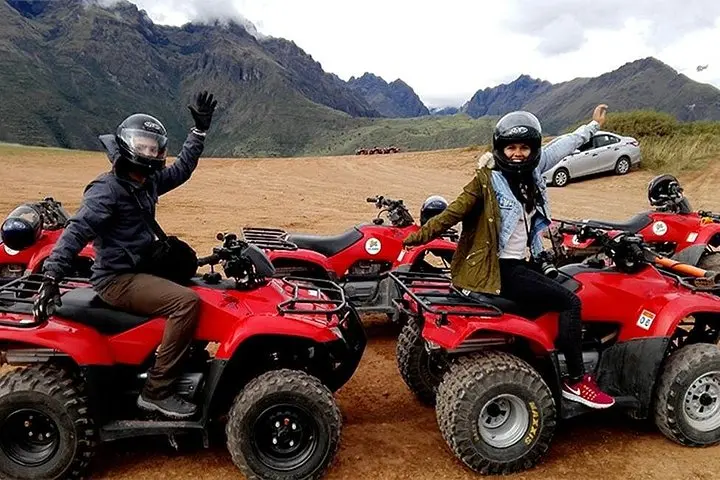
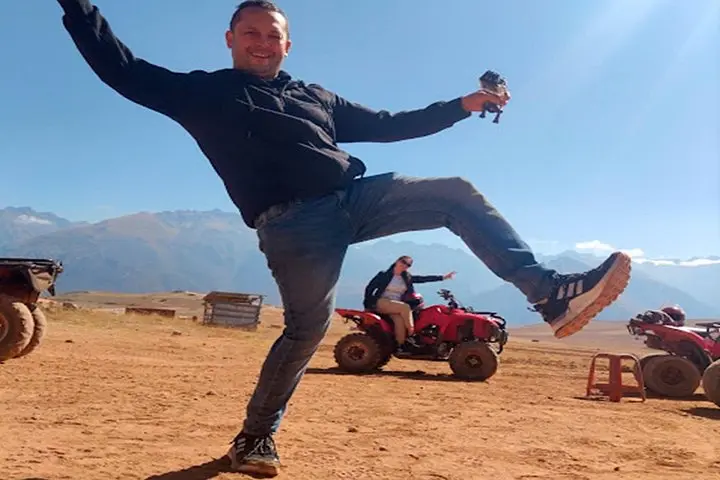
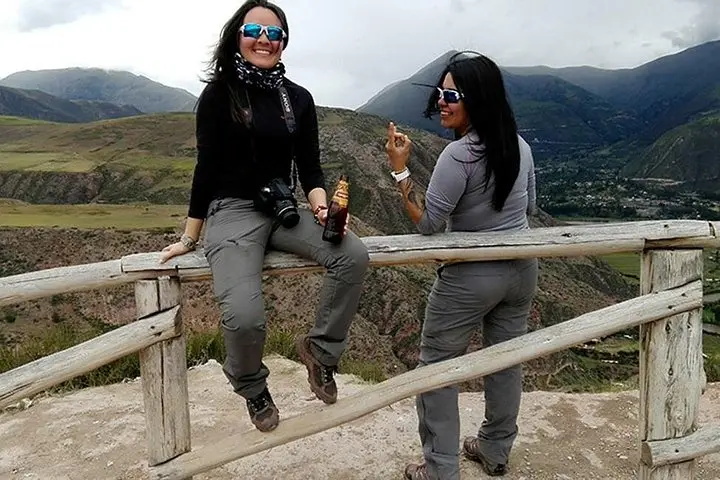
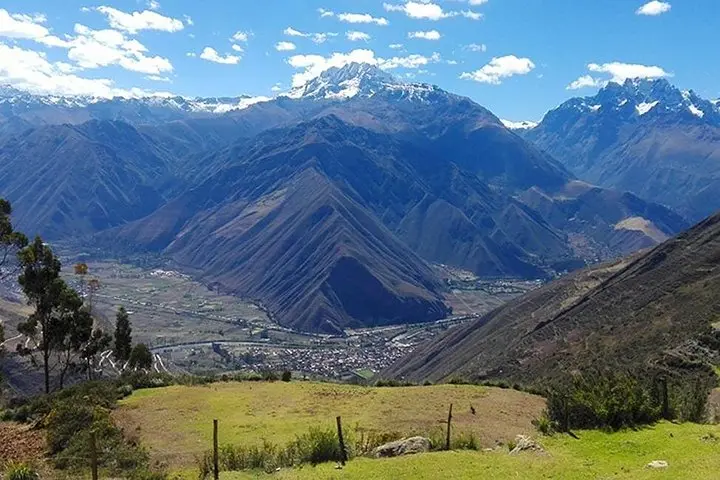
Sunlight slices through high Andean air as a comfortable tourist van hums along the Sacred Valley road, spilling you out where terraced slopes cut into the mountainside and condors wheel above like appointed guardians. You walk stone steps that the Incas shaped for crops, then trade boots for throttle: a two-hour ATV saddle across dusty trails toward the bowl-like caverns of Moray.
Sunlight slices through high Andean air as a comfortable tourist van hums along the Sacred Valley road, spilling you out where terraced slopes cut into the mountainside and condors wheel above like appointed guardians. You walk stone steps that the Incas shaped for crops, then trade boots for throttle: a two-hour ATV saddle across dusty trails toward the bowl-like caverns of Moray.
This day combines living Inca towns and engineered landscapes. Pisaq and Ollantaytambo reveal continuous habitation, ceremonial platforms and plumbing-driven fountains; Moray reads like an agricultural laboratory where concentric terraces created microclimates for experimental crops. Nearby, Maras’ tiered salt pans descend like a white constellation—hand-harvested pools that have drawn local families for centuries.
Geologically the valley is a river-carved corridor of metamorphic rock and Andean uplift; terraces sit on stabilized slopes fed by spring water. Culturally this route threads Quechua markets and small textile workshops—look for natural dyes and local silvercraft.
Practically: expect an 11–12 hour day with vehicle transfers and two hours on ATVs. Altitude ranges around 2,800–3,500 m, so hydrate and pace yourself; guides provide helmets and basic instruction. Wear layers for sun and wind, bring sunscreen, and secure loose cameras. Respect archaeological areas—many require walking-only access—and plan the ATV leg for morning light to avoid afternoon showers in the wet season. The pace mixes slow cultural stops with the immediate, tactile thrill of riding an ATV through mountain air—nature that nudges and challenges as you go.