THE ADVENTURE COLLECTIVE® · Independent discovery and booking for outdoor travel

A single-day loop through the Sacred Valley that pairs high-Andean geology with living Inca sites — visit Chinchero, Moray, the Maras salt pans, Ollantaytambo and Pisac. Expect long but manageable days, dramatic terraces and intimate cultural encounters.
A single-day loop through the Sacred Valley that pairs high-Andean geology with living Inca sites — visit Chinchero, Moray, the Maras salt pans, Ollantaytambo and Pisac. Expect long but manageable days, dramatic terraces and intimate cultural encounters.
You leave Cusco before sunrise, the van tracing a high Andean road while terraces and distant glaciers reveal themselves in slow, brilliant shifts of light.
Verified experiences and guided adventures in the surrounding area.
Operated by Yawar Peru Tours · Cusco, Cusco
You leave Cusco before sunrise, the van tracing a high Andean road while terraces and distant glaciers reveal themselves in slow, brilliant shifts of light.
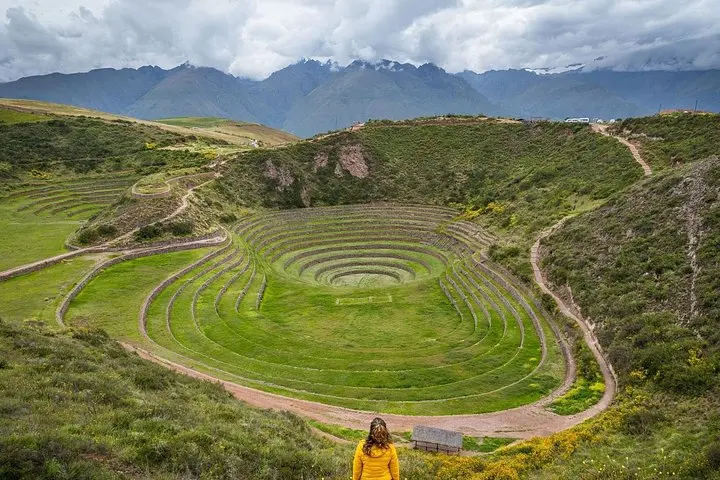
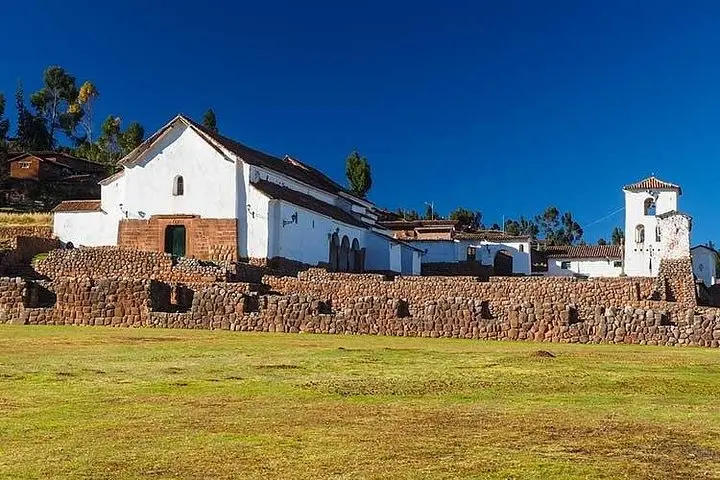
By midmorning you stand among Chinchero’s repaired Inca walls and a whitewashed colonial church, the stonework old enough to feel like a held breath. From there the landscape tightens into Moray’s concentric agricultural bowls — a deliberate engineering experiment where the Incas tested microclimates across 15–25 m of vertical difference.
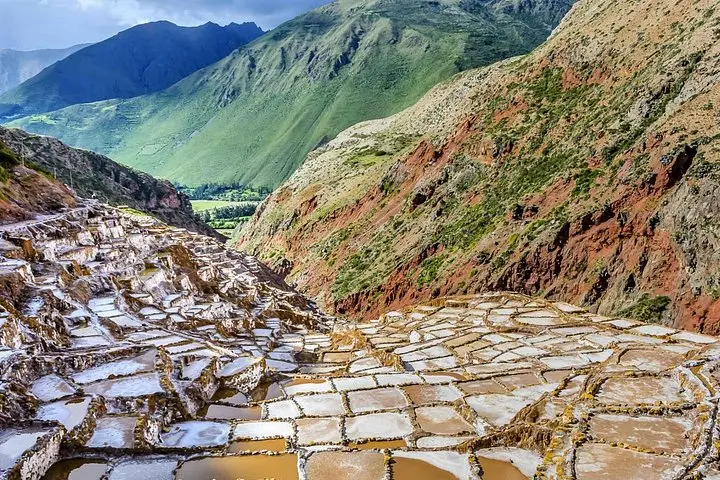
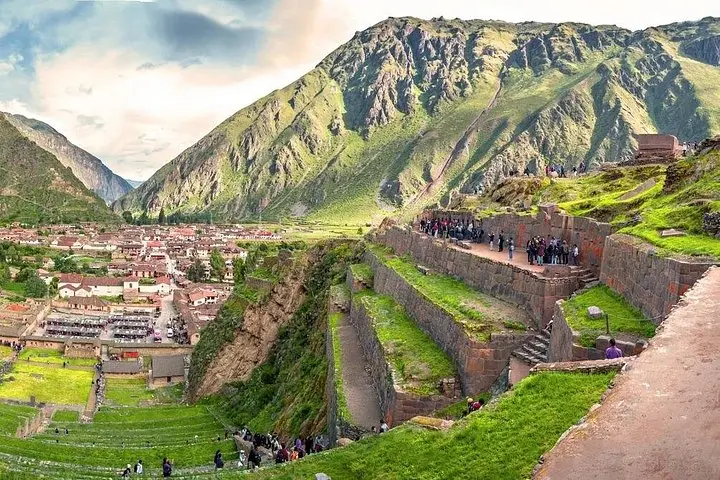
Next the Maras salt pans stretch across the slope like a stepped map of white harvest pools, fed by a mineral spring and shaped by centuries of community management. Ollantaytambo arrives as a living ruin: massive terraces and trapezoidal gates that still channel water and shadow; its cobbled streets host modern Quechua families. The day closes with Pisac’s hilltop fortress and a mercado where textiles and bundles of coca leaves remind you why the valley remains culturally vital.
Geology here is immediate — uplifted volcanic rock carved by glacial melt and river incision — and the valley’s elevation ranges roughly 2,800–3,800 m, so altitude is part of the program.
Practical guidance: expect 10–12 hours including hotel pickup (commonly around 7:00 AM), multiple short walks over uneven stone, and moderate driving between stops. Wear well-broken shoes, sun protection, and layered clothing for rapid temperature swings. Carry water, small local currency for market purchases, and move at a steady pace to manage the altitude. Respect photography rules at communities, and allow time to listen to local guides — the landscape keeps its lessons tight but clear.
The itinerary is a full-day outing of about 10–12 hours with typical pickup from Cusco around 7:00 AM and return in the evening.
Sites include uneven stone and stairs; the tour is labeled easy but not recommended for those with severe mobility limitations or severe spinal issues.
Yes — tourist tickets for Chinchero, Moray, Ollantaytambo, Pisac and the Maras salt mines are included as stated in the inclusions.
The valley is lower than Cusco but still high (roughly 2,800–3,800 m); prior acclimatization, hydration, and avoiding strenuous activity on arrival reduce risk.
Yawar Peru Tours operates guided outdoor trips and adventures with an emphasis on safety, stewardship, and memorable experiences.
You leave Cusco before sunrise, the van tracing a high Andean road while terraces and distant glaciers reveal themselves in slow, brilliant shifts of light.
You leave Cusco before sunrise, the van tracing a high Andean road while terraces and distant glaciers reveal themselves in slow, brilliant shifts of light.
By midmorning you stand among Chinchero’s repaired Inca walls and a whitewashed colonial church, the stonework old enough to feel like a held breath. From there the landscape tightens into Moray’s concentric agricultural bowls — a deliberate engineering experiment where the Incas tested microclimates across 15–25 m of vertical difference.
Next the Maras salt pans stretch across the slope like a stepped map of white harvest pools, fed by a mineral spring and shaped by centuries of community management. Ollantaytambo arrives as a living ruin: massive terraces and trapezoidal gates that still channel water and shadow; its cobbled streets host modern Quechua families. The day closes with Pisac’s hilltop fortress and a mercado where textiles and bundles of coca leaves remind you why the valley remains culturally vital.
Geology here is immediate — uplifted volcanic rock carved by glacial melt and river incision — and the valley’s elevation ranges roughly 2,800–3,800 m, so altitude is part of the program.
Practical guidance: expect 10–12 hours including hotel pickup (commonly around 7:00 AM), multiple short walks over uneven stone, and moderate driving between stops. Wear well-broken shoes, sun protection, and layered clothing for rapid temperature swings. Carry water, small local currency for market purchases, and move at a steady pace to manage the altitude. Respect photography rules at communities, and allow time to listen to local guides — the landscape keeps its lessons tight but clear.