THE ADVENTURE COLLECTIVE® · Independent discovery and booking for outdoor travel

A full-day, small-group circuit of the Sacred Valley visiting Chinchero, Moray, Maras, Ollantaytambo and Pisac. Experience Inca agricultural ingenuity, living textile traditions, and dramatic Andean terraces with hotel pickup from Cusco.
A full-day, small-group circuit of the Sacred Valley visiting Chinchero, Moray, Maras, Ollantaytambo and Pisac. Experience Inca agricultural ingenuity, living textile traditions, and dramatic Andean terraces with hotel pickup from Cusco.
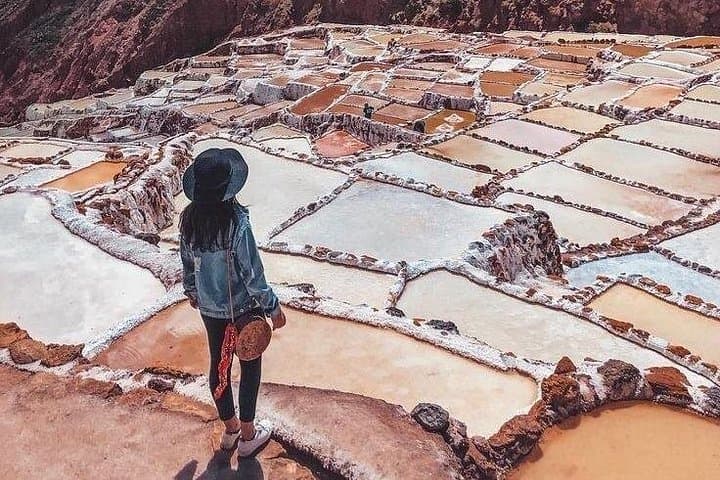
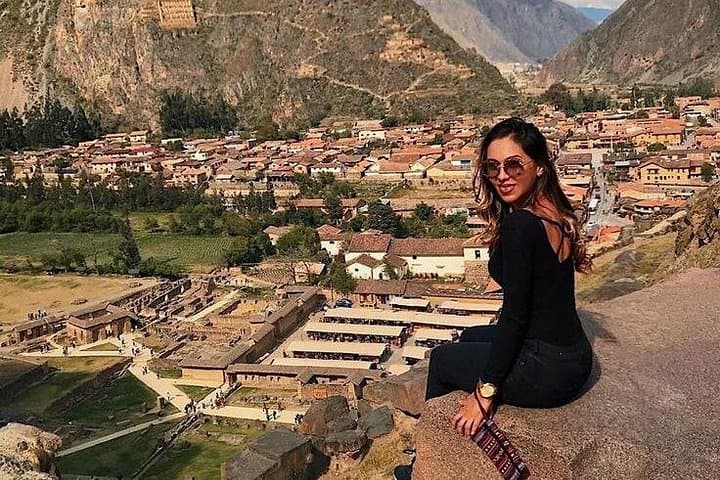
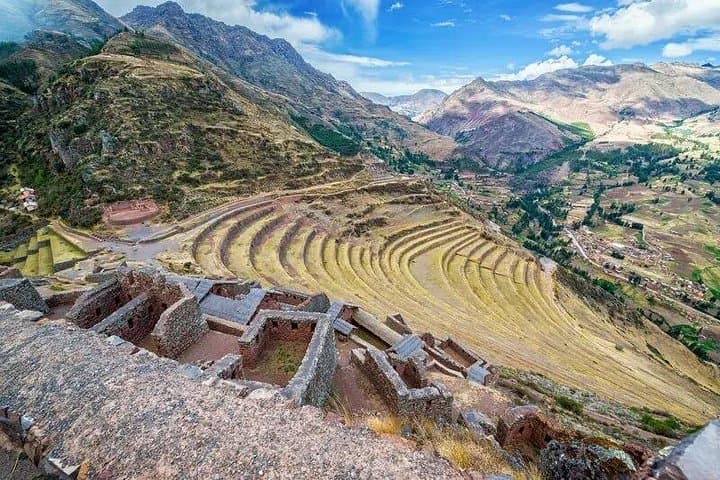
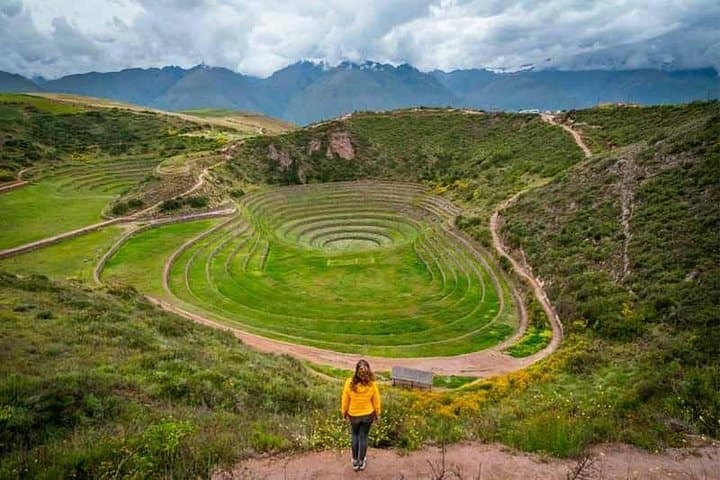
You step out of the van and the air is thin and bright—mountains press close, terraces cut like steps into the Andes, and the valley stretches away in bands of green and brown. This full-day Sacred Valley tour threads through highland villages and Inca engineering: Chinchero’s textile demonstrations, the concentric agricultural lab at Moray, the glittering salt pans of Maras, and the fortress terraces of Ollantaytambo before ending at Pisac’s dramatic ruins.
Verified experiences and guided adventures in the surrounding area.
Operated by Machupicchu Andean · Ollantaytambo, Cusco Region
You step out of the van and the air is thin and bright—mountains press close, terraces cut like steps into the Andes, and the valley stretches away in bands of green and brown. This full-day Sacred Valley tour threads through highland villages and Inca engineering: Chinchero’s textile demonstrations, the concentric agricultural lab at Moray, the glittering salt pans of Maras, and the fortress terraces of Ollantaytambo before ending at Pisac’s dramatic ruins.
Geology and history are inseparable here. The valley was carved by the Urubamba River; its microclimates encouraged the Inca to experiment with elevation-based agriculture, producing the circular terraces at Moray. Maras’ salt pans, fed by a natural saline spring, have been harvested since pre-Inca times and remain family-run. Local culture remains visible—weaving techniques, Quechua speech, and market stalls offer a direct line to centuries of Andean life.
Expect a mix of easy walking and stair-climbing at altitude; many stops include short, steep sections and broad views. Guides typically provide hotel pickup in Cusco, transportation between sites, breakfast and buffet lunch, and entrance via the regional tourist ticket. Plan for sun, wind, and variable temperatures: mornings can be cool, afternoons warm.
Practical tips: hydrate before you arrive, carry a light rain shell, wear sturdy shoes with grip for stone terraces, and bring local currency for market purchases. Time your visit for morning light at Moray or late afternoon in Pisac to avoid crowds and get the best photographic contrast on the terraces.
This is a full-day tour of about 10–11 hours with pickup and drop-off in Cusco; itinerary typically begins early morning.
The tour includes the regional Tourist Ticket for main sites; confirm with the operator for any optional extras.
No—many sites have steep stairs and uneven stone surfaces and the tour notes it is not wheelchair accessible.
Yes—stops in Chinchero and Pisac include market time; carry cash for independent purchases.
Machupicchu Andean operates guided outdoor trips and adventures with an emphasis on safety, stewardship, and memorable experiences.
You step out of the van and the air is thin and bright—mountains press close, terraces cut like steps into the Andes, and the valley stretches away in bands of green and brown. This full-day Sacred Valley tour threads through highland villages and Inca engineering: Chinchero’s textile demonstrations, the concentric agricultural lab at Moray, the glittering salt pans of Maras, and the fortress terraces of Ollantaytambo before ending at Pisac’s dramatic ruins.
You step out of the van and the air is thin and bright—mountains press close, terraces cut like steps into the Andes, and the valley stretches away in bands of green and brown. This full-day Sacred Valley tour threads through highland villages and Inca engineering: Chinchero’s textile demonstrations, the concentric agricultural lab at Moray, the glittering salt pans of Maras, and the fortress terraces of Ollantaytambo before ending at Pisac’s dramatic ruins.
Geology and history are inseparable here. The valley was carved by the Urubamba River; its microclimates encouraged the Inca to experiment with elevation-based agriculture, producing the circular terraces at Moray. Maras’ salt pans, fed by a natural saline spring, have been harvested since pre-Inca times and remain family-run. Local culture remains visible—weaving techniques, Quechua speech, and market stalls offer a direct line to centuries of Andean life.
Expect a mix of easy walking and stair-climbing at altitude; many stops include short, steep sections and broad views. Guides typically provide hotel pickup in Cusco, transportation between sites, breakfast and buffet lunch, and entrance via the regional tourist ticket. Plan for sun, wind, and variable temperatures: mornings can be cool, afternoons warm.
Practical tips: hydrate before you arrive, carry a light rain shell, wear sturdy shoes with grip for stone terraces, and bring local currency for market purchases. Time your visit for morning light at Moray or late afternoon in Pisac to avoid crowds and get the best photographic contrast on the terraces.