THE ADVENTURE COLLECTIVE® · Independent discovery and booking for outdoor travel

Cover the Sacred Valley’s major Inca sites in a single full day: Chinchero, Moray, Maras, Ollantaytambo and Pisac. Expect short guided walks, high-altitude viewpoints, a buffet lunch in Urubamba and opportunities to meet local weavers.
Cover the Sacred Valley’s major Inca sites in a single full day: Chinchero, Moray, Maras, Ollantaytambo and Pisac. Expect short guided walks, high-altitude viewpoints, a buffet lunch in Urubamba and opportunities to meet local weavers.
Morning light carves the Andes as the van leaves Cusco and the Sacred Valley unfolds — terraces step down from cold ridgelines, rivers hurry past like punctuation, and small stone towns lean into the slopes. On a full-day VIP circuit visitors hit five landmark sites: Chinchero, Moray, Maras salt pans, Ollantaytambo and Pisac, each connected by winding roads and centuries of Andean practice.
Verified experiences and guided adventures in the surrounding area.
Operated by Machu Picchu Expeditions · Ollantaytambo, Cusco
Morning light carves the Andes as the van leaves Cusco and the Sacred Valley unfolds — terraces step down from cold ridgelines, rivers hurry past like punctuation, and small stone towns lean into the slopes. On a full-day VIP circuit visitors hit five landmark sites: Chinchero, Moray, Maras salt pans, Ollantaytambo and Pisac, each connected by winding roads and centuries of Andean practice.
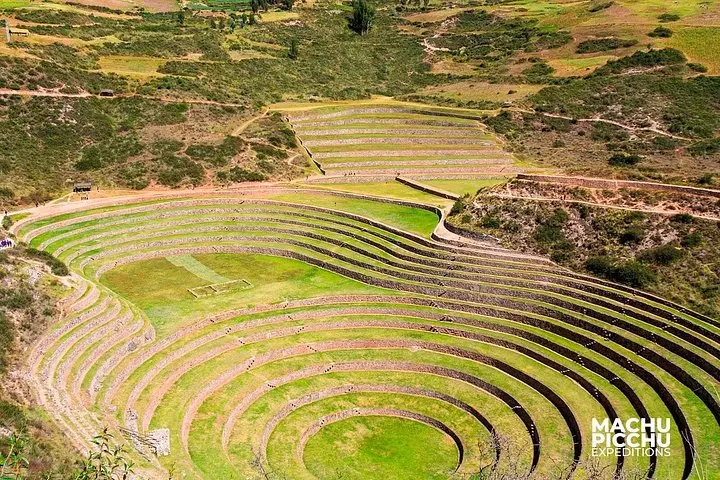
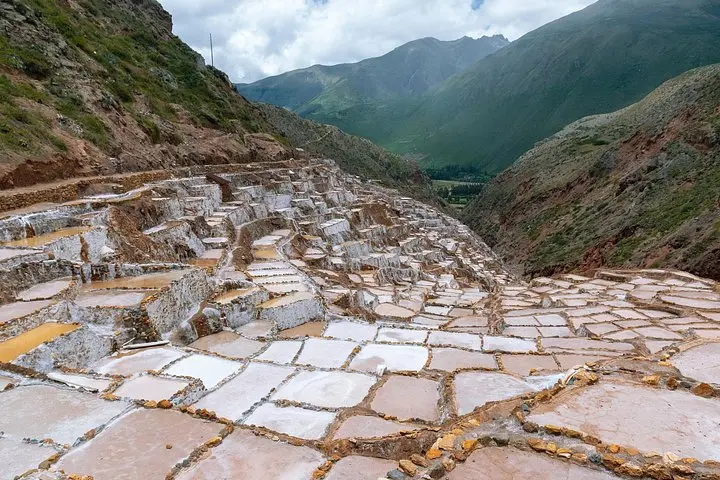
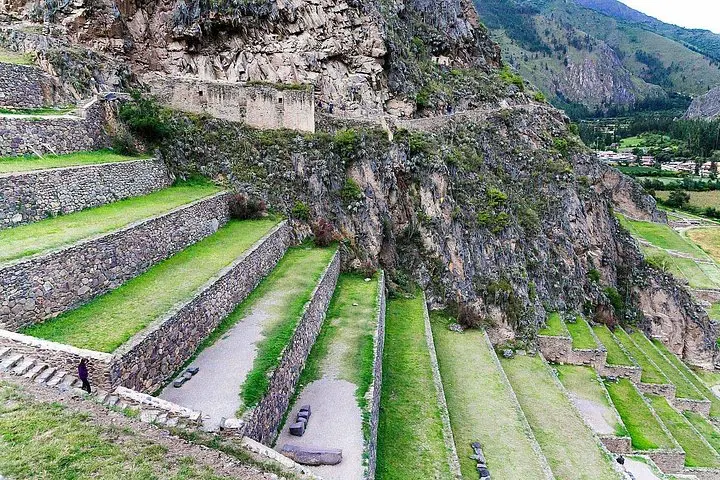
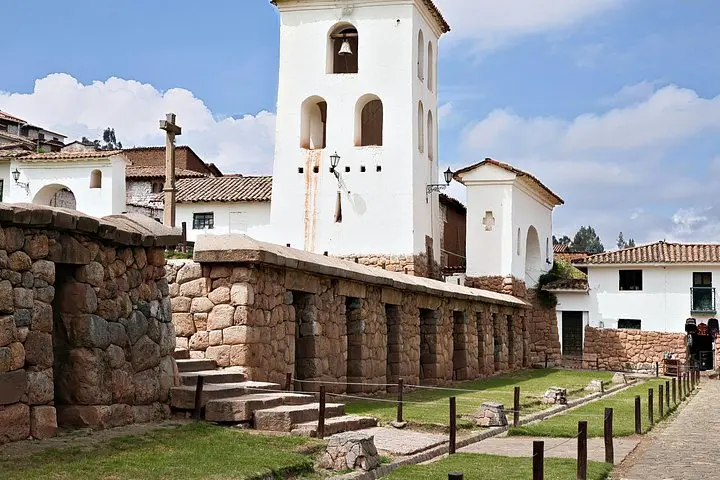
The valley's geology — glacially sculpted valleys and uplifted volcanic rock — hosted Inca experiments in microclimates: Moray’s concentric terraces demonstrate ancient soil and temperature control used for crop selection. Maras shows a different industry: over 3,000 shallow evaporation pools fed by a saline spring, worked since pre-Inca times. Chinchero and Ollantaytambo offer stonework and living community life where colonial churches sit beside Inca foundations and textile workshops keep weaving traditions alive.
Practically, the day is driven by road transfers with short, managed visits at each site; expect limited steep walking but frequent altitude shifts (3,000–3,600 m). A buffet lunch in Urubamba breaks the day and local guides often include a hands-on textile demo in Chinchero. Bring layers for sun and wind, water, and small cash for markets and donations.
Timing and pacing matter: arrive early to avoid busier afternoons, let your guide handle logistics, and move deliberately at archaeological sites to protect fragile terraces. This tour blends cultural interpretation, accessible walks, and broad Andean panoramas — a compact primer on why the Sacred Valley shaped Inca agriculture and community life.
Pickup is generally between 6:45–7:00 a.m. from central Cusco meeting points or your hotel if included; confirm exact pickup with the operator.
No long hikes are required; visits involve short walks and stairs at archaeological sites and viewpoints, suitable for most fitness levels.
This itinerary notes admission is not included for some sites—verify with the operator which archaeological entrance fees are covered or must be paid on-site.
Sites sit between about 3,000–3,600 m; allow time to acclimatize, avoid heavy exertion before the tour and consider coca tea or mild acclimatization measures if you’re sensitive.
Machu Picchu Expeditions operates guided outdoor trips and adventures with an emphasis on safety, stewardship, and memorable experiences.
Morning light carves the Andes as the van leaves Cusco and the Sacred Valley unfolds — terraces step down from cold ridgelines, rivers hurry past like punctuation, and small stone towns lean into the slopes. On a full-day VIP circuit visitors hit five landmark sites: Chinchero, Moray, Maras salt pans, Ollantaytambo and Pisac, each connected by winding roads and centuries of Andean practice.
Morning light carves the Andes as the van leaves Cusco and the Sacred Valley unfolds — terraces step down from cold ridgelines, rivers hurry past like punctuation, and small stone towns lean into the slopes. On a full-day VIP circuit visitors hit five landmark sites: Chinchero, Moray, Maras salt pans, Ollantaytambo and Pisac, each connected by winding roads and centuries of Andean practice.
The valley's geology — glacially sculpted valleys and uplifted volcanic rock — hosted Inca experiments in microclimates: Moray’s concentric terraces demonstrate ancient soil and temperature control used for crop selection. Maras shows a different industry: over 3,000 shallow evaporation pools fed by a saline spring, worked since pre-Inca times. Chinchero and Ollantaytambo offer stonework and living community life where colonial churches sit beside Inca foundations and textile workshops keep weaving traditions alive.
Practically, the day is driven by road transfers with short, managed visits at each site; expect limited steep walking but frequent altitude shifts (3,000–3,600 m). A buffet lunch in Urubamba breaks the day and local guides often include a hands-on textile demo in Chinchero. Bring layers for sun and wind, water, and small cash for markets and donations.
Timing and pacing matter: arrive early to avoid busier afternoons, let your guide handle logistics, and move deliberately at archaeological sites to protect fragile terraces. This tour blends cultural interpretation, accessible walks, and broad Andean panoramas — a compact primer on why the Sacred Valley shaped Inca agriculture and community life.