THE ADVENTURE COLLECTIVE® · Independent discovery and booking for outdoor travel

Spend a full day tracing Inca ingenuity across the Sacred Valley—textile demonstrations in Chinchero, the experimental terraces of Moray, salt pans at Maras, and the stonework of Ollantaytambo with a market stop in Pisac. This VIP tour moves at a relaxed pace with bilingual guides and a buffet lunch in Urubamba.
Spend a full day tracing Inca ingenuity across the Sacred Valley—textile demonstrations in Chinchero, the experimental terraces of Moray, salt pans at Maras, and the stonework of Ollantaytambo with a market stop in Pisac. This VIP tour moves at a relaxed pace with bilingual guides and a buffet lunch in Urubamba.
Morning light slices across the high Andes as a small vehicle peels away from Cusco, carrying a handful of travelers toward terraces and salt pans carved into the valley walls. The air is thin and dry; fields of maize and quinoa roll beneath jagged ridgelines while wool-clad artisans ready demonstrations of ancient dyeing and weaving.
Verified experiences and guided adventures in the surrounding area.
Operated by Ecos Peru Trek · Urubamba, Cusco Region
Morning light slices across the high Andes as a small vehicle peels away from Cusco, carrying a handful of travelers toward terraces and salt pans carved into the valley walls. The air is thin and dry; fields of maize and quinoa roll beneath jagged ridgelines while wool-clad artisans ready demonstrations of ancient dyeing and weaving.
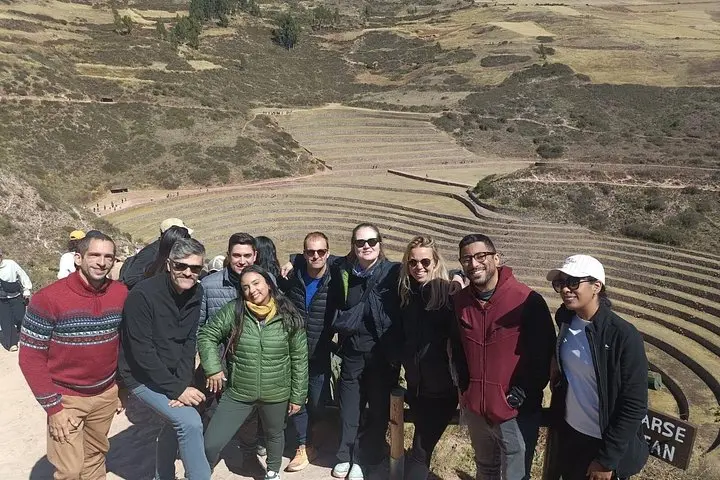
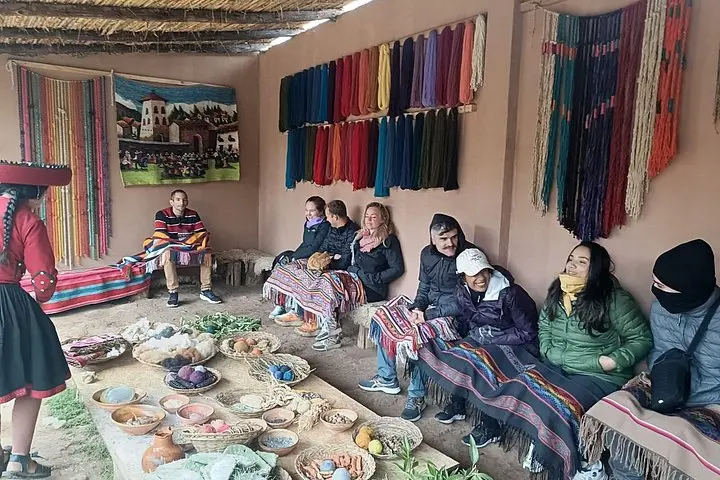
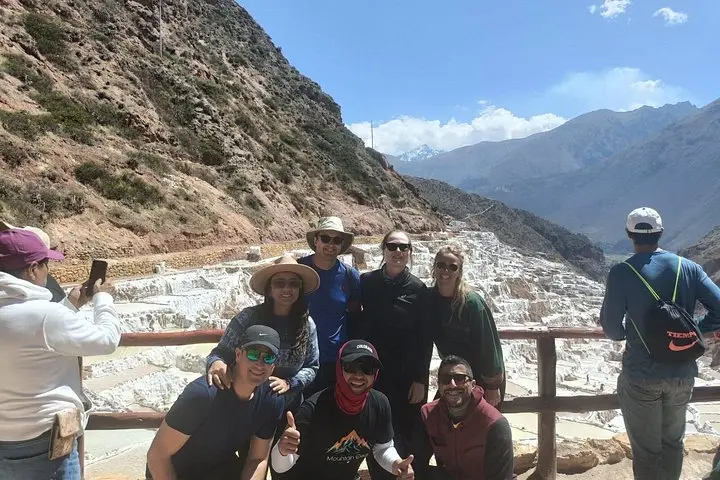
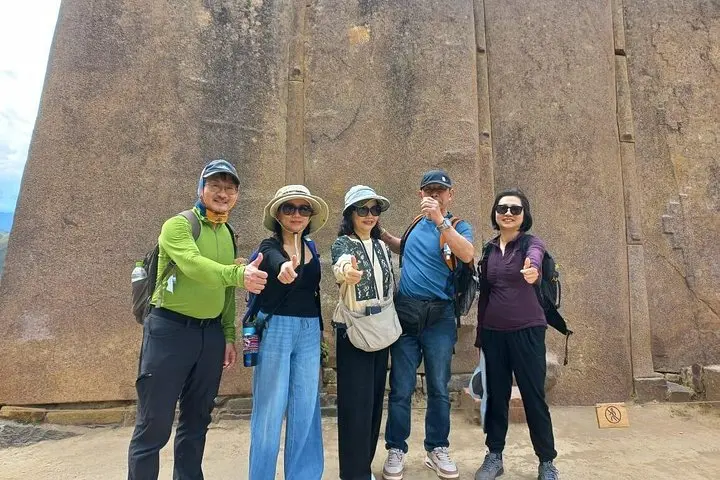
This VIP loop visits sites that map Inca ingenuity—Moray’s concentric agricultural bowls that acted as experimental microclimates, and Ollantaytambo’s massive stone terraces and Temple of the Sun, a still-used living town whose streets preserve Inca urban form. Maras offers a striking contrast: thousands of shallow salt pools fed by a mineral spring, producing salt exactly as pre‑Inca communities did centuries ago. Pisac’s market and hillside ruins add commerce and panoramic vantage points, and Chinchero’s colonial church sits beside Inca foundations and textile cooperatives that keep ancestral techniques alive.
Practically, the day is long but unhurried: expect 9–11 hours with hotel pickup in Cusco, photo stops, a buffet lunch in Urubamba, and mostly easy walks punctuated by uneven stone steps. Altitude is the primary challenge—sip water, move slowly, and allow an extra day in Cusco to acclimatize. Wear sturdy shoes for terraces and salt-paths, layered clothing for big temperature swings, and bring cash for market purchases and small entrance fees if needed. Guides provide cultural context and logistics, but staying on designated paths and supporting local cooperatives keeps the landscape and traditions resilient for future travelers.
The tour lasts about 9–11 hours with early morning pickup in Cusco and return in the evening; exact pickup time is confirmed at booking.
Yes—walks are generally easy but include stairs and uneven terrain; consider altitude and bring necessary medications.
The tour includes Maras entrance; a Partial Tourist Ticket (Boleto Turístico Parcial) is required for some Sacred Valley sites—confirm with the operator in advance.
The buffet in Urubamba typically includes regional options; notify the operator ahead of time for dietary restrictions.
Ecos Peru Trek operates guided outdoor trips and adventures with an emphasis on safety, stewardship, and memorable experiences.
Morning light slices across the high Andes as a small vehicle peels away from Cusco, carrying a handful of travelers toward terraces and salt pans carved into the valley walls. The air is thin and dry; fields of maize and quinoa roll beneath jagged ridgelines while wool-clad artisans ready demonstrations of ancient dyeing and weaving.
Morning light slices across the high Andes as a small vehicle peels away from Cusco, carrying a handful of travelers toward terraces and salt pans carved into the valley walls. The air is thin and dry; fields of maize and quinoa roll beneath jagged ridgelines while wool-clad artisans ready demonstrations of ancient dyeing and weaving.
This VIP loop visits sites that map Inca ingenuity—Moray’s concentric agricultural bowls that acted as experimental microclimates, and Ollantaytambo’s massive stone terraces and Temple of the Sun, a still-used living town whose streets preserve Inca urban form. Maras offers a striking contrast: thousands of shallow salt pools fed by a mineral spring, producing salt exactly as pre‑Inca communities did centuries ago. Pisac’s market and hillside ruins add commerce and panoramic vantage points, and Chinchero’s colonial church sits beside Inca foundations and textile cooperatives that keep ancestral techniques alive.
Practically, the day is long but unhurried: expect 9–11 hours with hotel pickup in Cusco, photo stops, a buffet lunch in Urubamba, and mostly easy walks punctuated by uneven stone steps. Altitude is the primary challenge—sip water, move slowly, and allow an extra day in Cusco to acclimatize. Wear sturdy shoes for terraces and salt-paths, layered clothing for big temperature swings, and bring cash for market purchases and small entrance fees if needed. Guides provide cultural context and logistics, but staying on designated paths and supporting local cooperatives keeps the landscape and traditions resilient for future travelers.