THE ADVENTURE COLLECTIVE® · Independent discovery and booking for outdoor travel

Walk the fortress terraces of Sacsayhuamán, inspect the carved shrine at Q’enqo, and admire the water channels at Tambomachay on this compact half‑day tour from Cusco. Perfect for travelers who want a concentrated dose of Inca architecture and panoramic views without a full-day commitment.
Walk the fortress terraces of Sacsayhuamán, inspect the carved shrine at Q’enqo, and admire the water channels at Tambomachay on this compact half‑day tour from Cusco. Perfect for travelers who want a concentrated dose of Inca architecture and panoramic views without a full-day commitment.
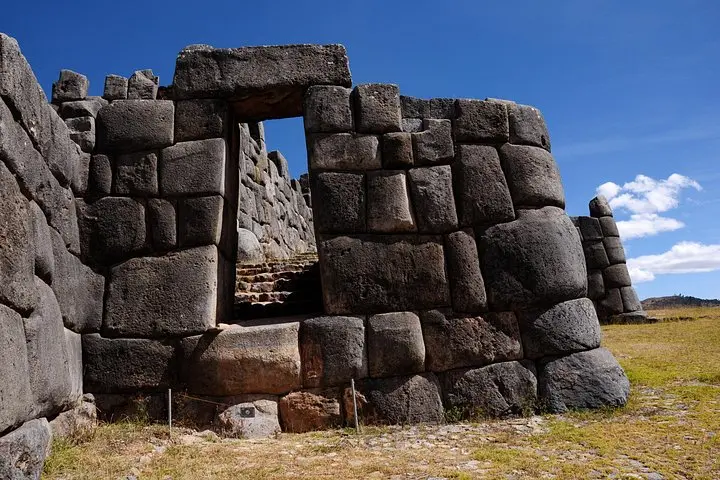
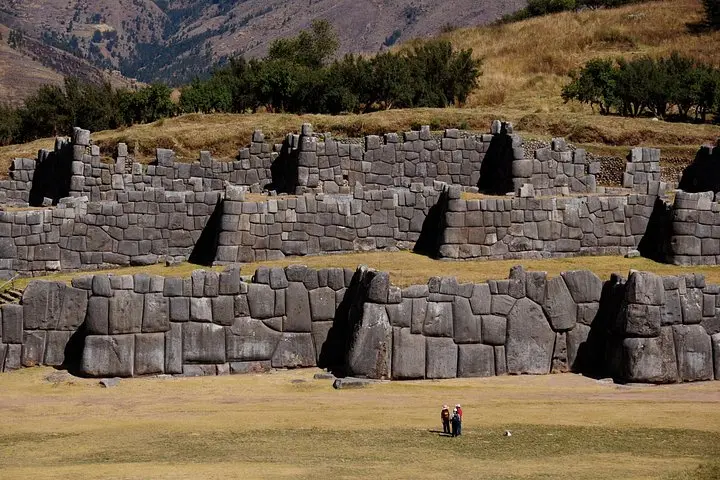
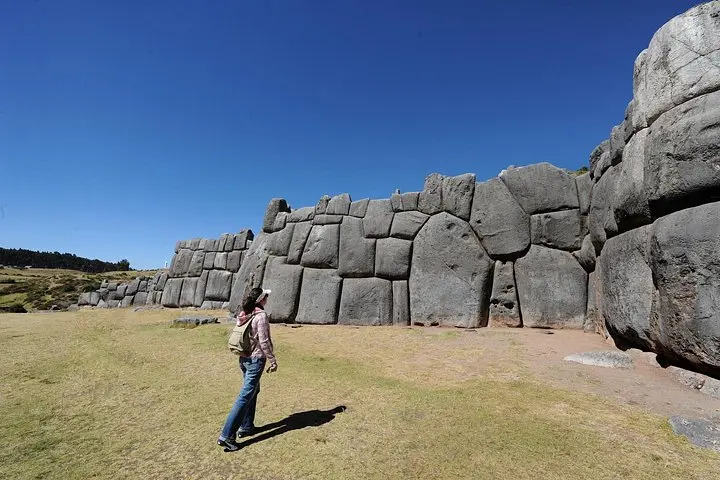
You emerge above Cusco onto broad terraces where stone walls loom like a man-made cliff, each block so precisely cut it seems to have been slid into place rather than quarried.
Verified experiences and guided adventures in the surrounding area.
Operated by VIPAC Travel · Cusco, Cusco Region
You emerge above Cusco onto broad terraces where stone walls loom like a man-made cliff, each block so precisely cut it seems to have been slid into place rather than quarried.
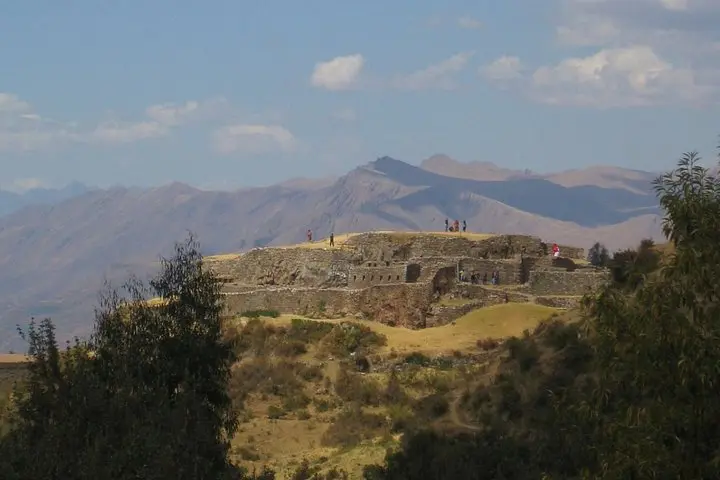
Sacsayhuamán’s three-level citadel opens first: fortress walls of interlocking megaliths that curve along the hill, creating platforms and towers. From there the route moves to Q’enqo, a carved rock shrine with channels and an altar hewn into the stone, then to the reddish watchpost of Puca Pucara and the waterworks of Tambomachay where springs still whisper through channels.
These sites speak of the Inca skill in masonry, hydraulics and landscape engineering. Built in the 15th century as Cusco’s ceremonial and defensive ring, the complex sits on volcanic and metamorphic bedrock that the builders used to anchor colossal blocks without mortar. The surrounding communities keep Quechua traditions alive; expect llamas and local textiles on the roadside and vendors selling coca leaves and woven goods.
Practical side: this is a three-hour, low-impact walking tour but it takes place above 3,500 m, so acclimatize in Cusco first. Wear sturdy shoes for uneven stone and terraces, bring sun protection, and carry water. Mornings are best for light and fewer crowds; guides usually include pickup and admission. Respect ropes and signage—many key features are fragile and protected.
This half-day itinerary is compact but rich: architecture you can touch, channels that still run, and lookout points that frame Cusco below. Plan for altitude, move steadily, and leave room in your day to keep exploring the city’s streets afterward.
The tour lasts about three hours and includes Sacsayhuamán, Q’enqo, Puca Pucara and Tambomachay; admission and guide are included.
Yes — the tour is rated easy and suitable for most fitness levels, but all participants should be able to walk short distances on uneven ground.
Yes — these sites sit above Cusco’s elevation, so acclimatize in town first, move slowly, and consult a doctor if you have heart or respiratory conditions.
Yes — the booking includes archaeological park admission and hotel pickup/drop-off, though some historic neighborhoods may require a short walk from the vehicle.
VIPAC Travel operates guided outdoor trips and adventures with an emphasis on safety, stewardship, and memorable experiences.
You emerge above Cusco onto broad terraces where stone walls loom like a man-made cliff, each block so precisely cut it seems to have been slid into place rather than quarried.
You emerge above Cusco onto broad terraces where stone walls loom like a man-made cliff, each block so precisely cut it seems to have been slid into place rather than quarried.
Sacsayhuamán’s three-level citadel opens first: fortress walls of interlocking megaliths that curve along the hill, creating platforms and towers. From there the route moves to Q’enqo, a carved rock shrine with channels and an altar hewn into the stone, then to the reddish watchpost of Puca Pucara and the waterworks of Tambomachay where springs still whisper through channels.
These sites speak of the Inca skill in masonry, hydraulics and landscape engineering. Built in the 15th century as Cusco’s ceremonial and defensive ring, the complex sits on volcanic and metamorphic bedrock that the builders used to anchor colossal blocks without mortar. The surrounding communities keep Quechua traditions alive; expect llamas and local textiles on the roadside and vendors selling coca leaves and woven goods.
Practical side: this is a three-hour, low-impact walking tour but it takes place above 3,500 m, so acclimatize in Cusco first. Wear sturdy shoes for uneven stone and terraces, bring sun protection, and carry water. Mornings are best for light and fewer crowds; guides usually include pickup and admission. Respect ropes and signage—many key features are fragile and protected.
This half-day itinerary is compact but rich: architecture you can touch, channels that still run, and lookout points that frame Cusco below. Plan for altitude, move steadily, and leave room in your day to keep exploring the city’s streets afterward.