THE ADVENTURE COLLECTIVE® · Independent discovery and booking for outdoor travel

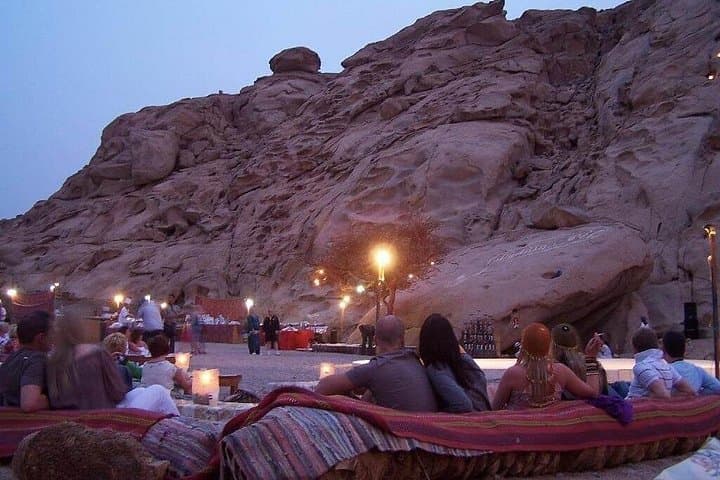
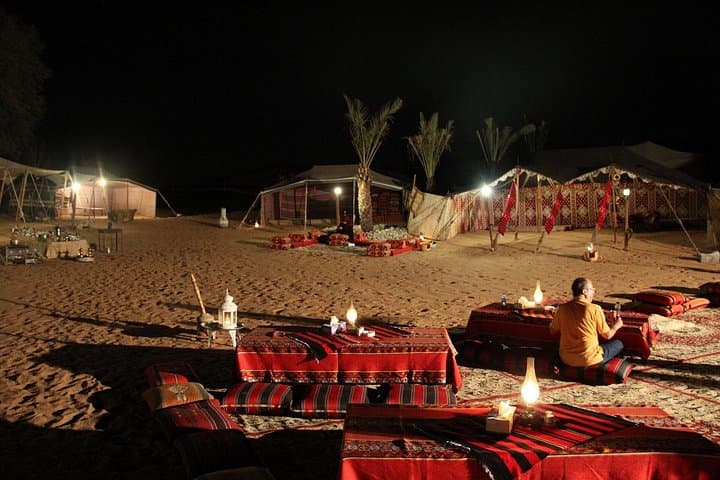
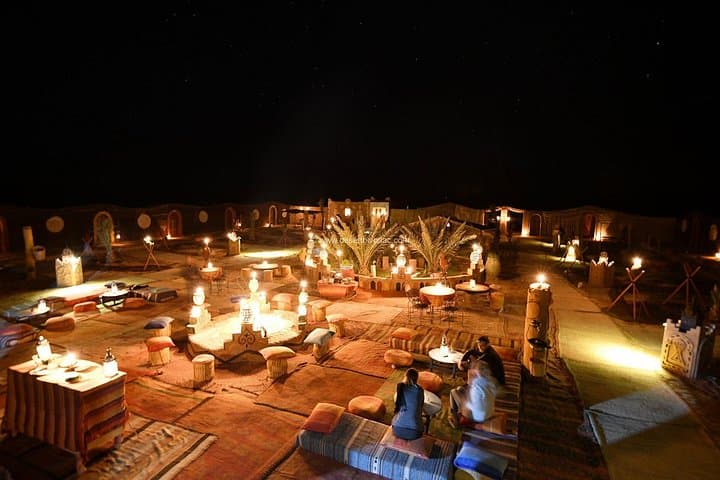
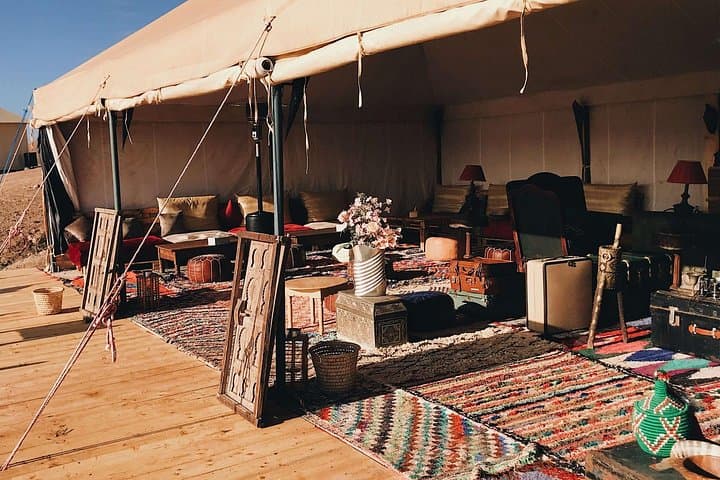
Get behind the throttle on a full-day quad-biking route from Safaga, then settle into an authentic Bedouin camp for lunch, tea, music and stories. This blend of desert riding and cultural exchange gives a grounded look at Red Sea hinterland life.
Get behind the throttle on a full-day quad-biking route from Safaga, then settle into an authentic Bedouin camp for lunch, tea, music and stories. This blend of desert riding and cultural exchange gives a grounded look at Red Sea hinterland life.
A morning of hard-edged engine notes and sun hitting sand throws you into the Red Sea hinterland. You climb onto a quad, throttle in hand, and the dunes around Safaga begin to move like living hills—pushing, yielding, offering lines to follow. The ride alternates between open flats that demand speed and narrow wind-sculpted ridges that require attention and balance.
Verified experiences and guided adventures in the surrounding area.
Operated by Saray El-Nile · Safaga, Red Sea Governorate
A morning of hard-edged engine notes and sun hitting sand throws you into the Red Sea hinterland. You climb onto a quad, throttle in hand, and the dunes around Safaga begin to move like living hills—pushing, yielding, offering lines to follow. The ride alternates between open flats that demand speed and narrow wind-sculpted ridges that require attention and balance.
This coast of Egypt is framed by recent geological shifts: wind-blown sediments over ancient bedrock, and dry wadis that once channeled infrequent rains. The people you meet keep older routes alive—Bedouin whose stories and songs map a different cartography than any GPS. Safaga itself has long been a Red Sea port; the desert routes nearby historically linked coastal trade with inland caravan paths.
At the camp, shared tea, music and a simple lunch are practical culture lessons—hospitality that traveled centuries across sand. Expect genuine storytelling rather than staged tourism: your hosts are as likely to show you a navigation trick as they are to offer songs.
Practical edge: this is a full-day outing (around 8–9 hours) with long sun exposure and sand in everything. Bring a reusable water bottle and multiple layers to block wind and sun. Footwear should be sturdy and enclosed; a lightweight scarf or gaiter keeps grit out of your teeth and camera. Timing matters—start early to use cooler morning light for riding and late afternoon for photos and softer sand. Stay on designated routes to protect fragile desert crust and support local guides whose livelihoods depend on respectful visitation.
No — most operators provide a safety briefing and basic instruction; guides lead the route and tailor speed to riders’ comfort.
Age policies vary; check with the operator for minimum age or weight restrictions and whether tandems are available.
Typical inclusions are a Bedouin-style lunch, traditional tea, music and storytelling; some hosts may demonstrate crafts or offer short camel introductions.
Wear closed-toe shoes, breathable long sleeves and pants to limit sun and sand exposure, a hat or buff, and bring sunglasses.
Saray El-Nile operates guided outdoor trips and adventures with an emphasis on safety, stewardship, and memorable experiences.
A morning of hard-edged engine notes and sun hitting sand throws you into the Red Sea hinterland. You climb onto a quad, throttle in hand, and the dunes around Safaga begin to move like living hills—pushing, yielding, offering lines to follow. The ride alternates between open flats that demand speed and narrow wind-sculpted ridges that require attention and balance.
A morning of hard-edged engine notes and sun hitting sand throws you into the Red Sea hinterland. You climb onto a quad, throttle in hand, and the dunes around Safaga begin to move like living hills—pushing, yielding, offering lines to follow. The ride alternates between open flats that demand speed and narrow wind-sculpted ridges that require attention and balance.
This coast of Egypt is framed by recent geological shifts: wind-blown sediments over ancient bedrock, and dry wadis that once channeled infrequent rains. The people you meet keep older routes alive—Bedouin whose stories and songs map a different cartography than any GPS. Safaga itself has long been a Red Sea port; the desert routes nearby historically linked coastal trade with inland caravan paths.
At the camp, shared tea, music and a simple lunch are practical culture lessons—hospitality that traveled centuries across sand. Expect genuine storytelling rather than staged tourism: your hosts are as likely to show you a navigation trick as they are to offer songs.
Practical edge: this is a full-day outing (around 8–9 hours) with long sun exposure and sand in everything. Bring a reusable water bottle and multiple layers to block wind and sun. Footwear should be sturdy and enclosed; a lightweight scarf or gaiter keeps grit out of your teeth and camera. Timing matters—start early to use cooler morning light for riding and late afternoon for photos and softer sand. Stay on designated routes to protect fragile desert crust and support local guides whose livelihoods depend on respectful visitation.