THE ADVENTURE COLLECTIVE® · Independent discovery and booking for outdoor travel

Spend an eight-hour dhow trip across turquoise lagoons to a pristine sandbank, snorkel vibrant reefs, climb a baobab on Kwale Island, and enjoy a seafood barbecue in the sun. Ideal for swimmers of all levels, the Safari Blue day blends marine wildlife, Swahili culture, and hands-on island time.
Spend an eight-hour dhow trip across turquoise lagoons to a pristine sandbank, snorkel vibrant reefs, climb a baobab on Kwale Island, and enjoy a seafood barbecue in the sun. Ideal for swimmers of all levels, the Safari Blue day blends marine wildlife, Swahili culture, and hands-on island time.
You step off the dhow onto a white sand bank that seems to float on the Indian Ocean — shallow water laps at your ankles and the lagoon dares you to wade further. Tropical sunlight pins patterns on the reef below while seabirds wheel and the boat rocks gently a short swim offshore.
Verified experiences and guided adventures in the surrounding area.
Operated by KHAMIS TAXI DRIVER ZANZIBAR · Zanzibar City, Zanzibar
You step off the dhow onto a white sand bank that seems to float on the Indian Ocean — shallow water laps at your ankles and the lagoon dares you to wade further. Tropical sunlight pins patterns on the reef below while seabirds wheel and the boat rocks gently a short swim offshore.
This full-day Safari Blue run follows a long Swahili tradition of dhow travel and fishing along Zanzibar’s east coast. The islands here are coral-rag and sand: ancient reef structures worn down by waves and rebuilt by living coral, creating clear lagoons and channels ideal for snorkeling and observing reef life. Kwale and Niamembe islands carry traces of local lifeways — a fallen baobab on Kwale and patches of coastal forest that hint at pre-colonial settlement patterns and the island’s spice-trade era.
Expect warm, shallow snorkeling over colorful reef flats, a seafood barbecue on the sandbank, and a stroll where hermit crabs and shorebirds compete for space. Guides often point out reef formations and explain local fishing and shell-gathering practices.
Practical notes: the trip lasts about eight hours, usually leaving mid-morning. Bring reef-safe sunscreen, a lightweight long-sleeve or rash guard for sun protection, and a dry bag for electronics. If you plan to snorkel, basic comfort in the water is helpful; guides provide masks and fins. Respect the reef: don’t stand on coral, and follow guide directions in currents. Morning departures give calmer water and clearer snorkel visibility, while midday brings the best beach-time for lunch and sunbathing.
No — guides provide basic instruction and equipment; however, being comfortable in shallow water and with your mask is helpful to enjoy the reef.
Many operators offer wheelchair-accessible transport and boarding assistance, but check pickup and boarding arrangements in advance to confirm specific accessibility needs.
A buffet-style Swahili seafood barbecue is typical, often including grilled fish, seafood, rice, salads and tropical fruit; vegetarian options can usually be arranged with advance notice.
Some channels can have currents; guides choose sheltered snorkel spots and will brief you on hand signals and buddy procedures — follow their instructions at all times.
KHAMIS TAXI DRIVER ZANZIBAR operates guided outdoor trips and adventures with an emphasis on safety, stewardship, and memorable experiences.


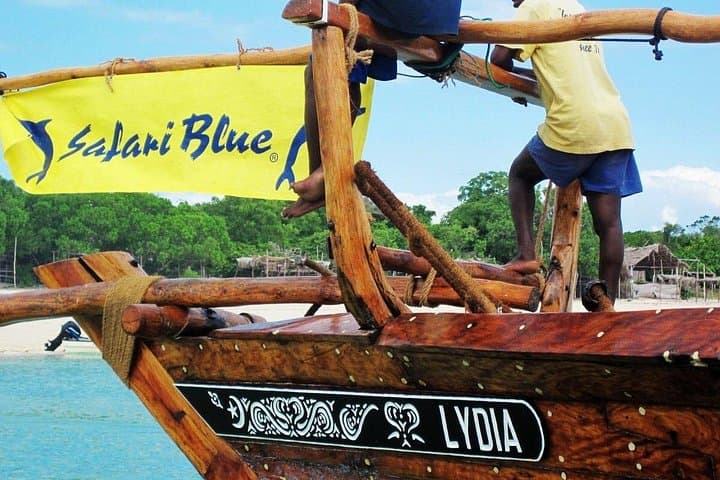
You step off the dhow onto a white sand bank that seems to float on the Indian Ocean — shallow water laps at your ankles and the lagoon dares you to wade further. Tropical sunlight pins patterns on the reef below while seabirds wheel and the boat rocks gently a short swim offshore.
You step off the dhow onto a white sand bank that seems to float on the Indian Ocean — shallow water laps at your ankles and the lagoon dares you to wade further. Tropical sunlight pins patterns on the reef below while seabirds wheel and the boat rocks gently a short swim offshore.
This full-day Safari Blue run follows a long Swahili tradition of dhow travel and fishing along Zanzibar’s east coast. The islands here are coral-rag and sand: ancient reef structures worn down by waves and rebuilt by living coral, creating clear lagoons and channels ideal for snorkeling and observing reef life. Kwale and Niamembe islands carry traces of local lifeways — a fallen baobab on Kwale and patches of coastal forest that hint at pre-colonial settlement patterns and the island’s spice-trade era.
Expect warm, shallow snorkeling over colorful reef flats, a seafood barbecue on the sandbank, and a stroll where hermit crabs and shorebirds compete for space. Guides often point out reef formations and explain local fishing and shell-gathering practices.
Practical notes: the trip lasts about eight hours, usually leaving mid-morning. Bring reef-safe sunscreen, a lightweight long-sleeve or rash guard for sun protection, and a dry bag for electronics. If you plan to snorkel, basic comfort in the water is helpful; guides provide masks and fins. Respect the reef: don’t stand on coral, and follow guide directions in currents. Morning departures give calmer water and clearer snorkel visibility, while midday brings the best beach-time for lunch and sunbathing.