THE ADVENTURE COLLECTIVE® · Independent discovery and booking for outdoor travel

A four-day trek through Sagada and the Ifugao terraces that pairs cave exploration and cliffside culture with the amphitheater hikes of Batad. Expect rugged stone steps, village trails, and deeply rooted rice-farming traditions.
A four-day trek through Sagada and the Ifugao terraces that pairs cave exploration and cliffside culture with the amphitheater hikes of Batad. Expect rugged stone steps, village trails, and deeply rooted rice-farming traditions.
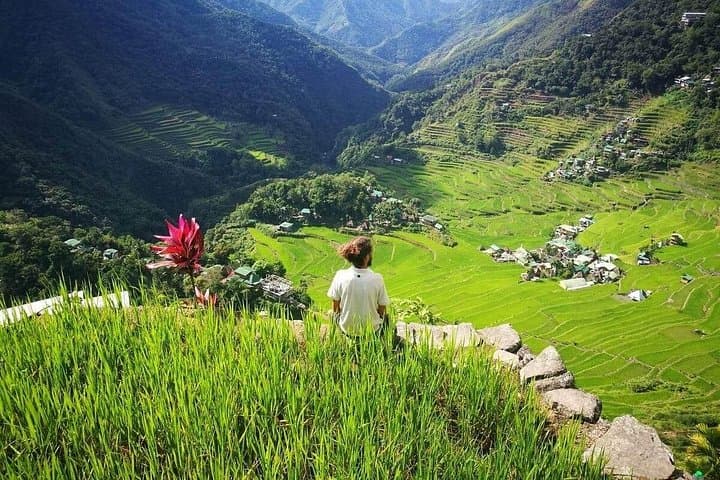
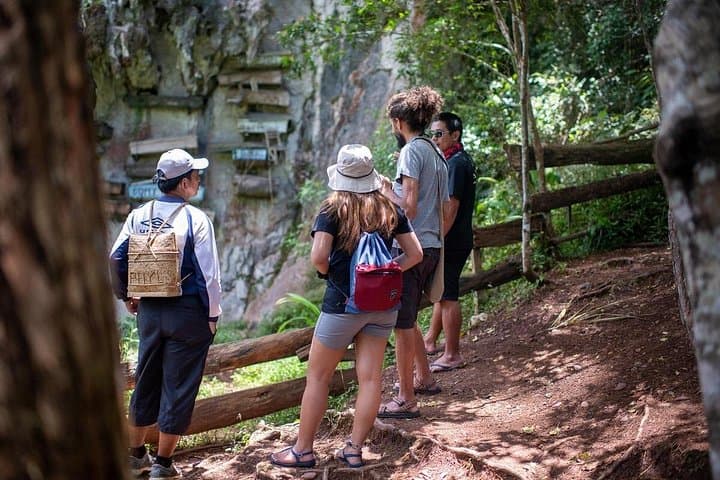
You step off a night bus into a cool, thin air where fog threads through pine forests and cliff faces thrust up like carved walls. In Sagada the town hums with small cafés and the smell of roasted Sagada coffee; stone steps lead to Echo Valley and the cliff edge where the Igorot practice of hanging coffins keeps its quiet, visible presence. Days later the landscape opens into the amphitheater of Batad—an engineered bowl of rice terraces that hold water like stepped mirrors and drain to a ribbon of waterfall below.
Verified experiences and guided adventures in the surrounding area.
Operated by Abraham Tours Philippines · Banaue, Ifugao
You step off a night bus into a cool, thin air where fog threads through pine forests and cliff faces thrust up like carved walls. In Sagada the town hums with small cafés and the smell of roasted Sagada coffee; stone steps lead to Echo Valley and the cliff edge where the Igorot practice of hanging coffins keeps its quiet, visible presence. Days later the landscape opens into the amphitheater of Batad—an engineered bowl of rice terraces that hold water like stepped mirrors and drain to a ribbon of waterfall below.
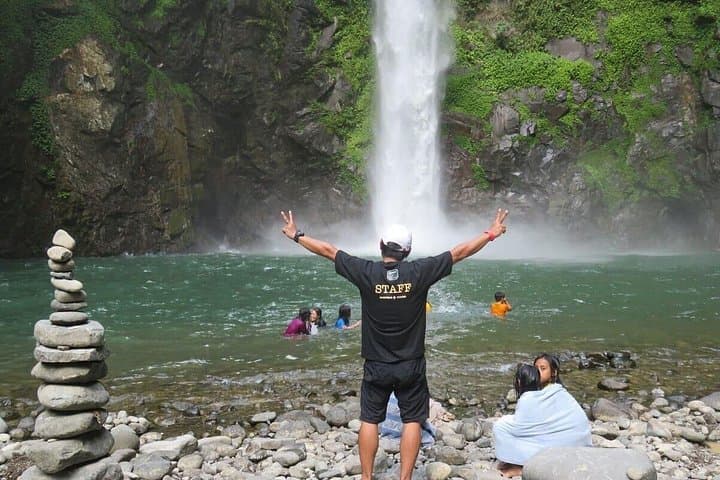
These terraces are living archaeology: centuries-old earthworks carved by Ifugao hands, fed by gravity-fed irrigation and maintained by families who still plant by hand. Geologically the highlands are weathered volcanic slopes and shale that become staircases under human hands; trails switch between packed earth, slate steps and muddy river crossings. Caves like Sumaguing offer tight passages and chambers revered by locals, while Tappiya Falls delivers a cool, powerful drop after steep switchbacks.
Practically, expect short approaches (about 15–30 minutes) to trailheads, sustained hikes of 1–3 hours within villages and a longer 3‑hour hike to Bangaan on day four. Elevation ranges from roughly 1,000–1,600 m, with several hundred meters of ascent/descent on Batad approaches. Wear grippy boots, layer for sun and sudden rain, bring a headlamp for cave passages, carry cash for village purchases, and hire a local guide where signage is limited. Travel is rustic—guesthouses, local food, unpaved paths—and richly rewarded by living culture and landscape that literally grows beneath your feet.
Moderate—expect daily hikes of 1–3 hours on uneven terrain with several steep sections; a basic level of fitness and sure-footedness is required.
Yes—guides improve navigation, interpret cultural sites, and arrange village logistics; they also support local communities.
Cave routes can be slippery and require bending or scrambling; follow guides, wear good footwear, and avoid unlit side passages.
Coverage is patchy in highland villages and ATMs are primarily in Banaue or Manila, so carry sufficient cash for the trip.
Abraham Tours Philippines operates guided outdoor trips and adventures with an emphasis on safety, stewardship, and memorable experiences.
You step off a night bus into a cool, thin air where fog threads through pine forests and cliff faces thrust up like carved walls. In Sagada the town hums with small cafés and the smell of roasted Sagada coffee; stone steps lead to Echo Valley and the cliff edge where the Igorot practice of hanging coffins keeps its quiet, visible presence. Days later the landscape opens into the amphitheater of Batad—an engineered bowl of rice terraces that hold water like stepped mirrors and drain to a ribbon of waterfall below.
You step off a night bus into a cool, thin air where fog threads through pine forests and cliff faces thrust up like carved walls. In Sagada the town hums with small cafés and the smell of roasted Sagada coffee; stone steps lead to Echo Valley and the cliff edge where the Igorot practice of hanging coffins keeps its quiet, visible presence. Days later the landscape opens into the amphitheater of Batad—an engineered bowl of rice terraces that hold water like stepped mirrors and drain to a ribbon of waterfall below.
These terraces are living archaeology: centuries-old earthworks carved by Ifugao hands, fed by gravity-fed irrigation and maintained by families who still plant by hand. Geologically the highlands are weathered volcanic slopes and shale that become staircases under human hands; trails switch between packed earth, slate steps and muddy river crossings. Caves like Sumaguing offer tight passages and chambers revered by locals, while Tappiya Falls delivers a cool, powerful drop after steep switchbacks.
Practically, expect short approaches (about 15–30 minutes) to trailheads, sustained hikes of 1–3 hours within villages and a longer 3‑hour hike to Bangaan on day four. Elevation ranges from roughly 1,000–1,600 m, with several hundred meters of ascent/descent on Batad approaches. Wear grippy boots, layer for sun and sudden rain, bring a headlamp for cave passages, carry cash for village purchases, and hire a local guide where signage is limited. Travel is rustic—guesthouses, local food, unpaved paths—and richly rewarded by living culture and landscape that literally grows beneath your feet.