THE ADVENTURE COLLECTIVE® · Independent discovery and booking for outdoor travel

Cross the High Atlas, walk narrow limestone canyons, and ride camels into the orange dunes of Erg Chebbi on this compact 4-day Sahara Adventure. Expect long drives, dramatic geology, and authentic Berber hospitality with practical tips for desert conditions.
Cross the High Atlas, walk narrow limestone canyons, and ride camels into the orange dunes of Erg Chebbi on this compact 4-day Sahara Adventure. Expect long drives, dramatic geology, and authentic Berber hospitality with practical tips for desert conditions.
The first breath of the trip comes on the High Atlas: cold, thin air at Tizi n'Tichka (2,260 m) and a ribbon of road cutting across wind-swept scree.
Verified experiences and guided adventures in the surrounding area.
Operated by View Morocco - DMC Adventure Travel Company · Merzouga, Drâa-Tafilalet
The first breath of the trip comes on the High Atlas: cold, thin air at Tizi n'Tichka (2,260 m) and a ribbon of road cutting across wind-swept scree.
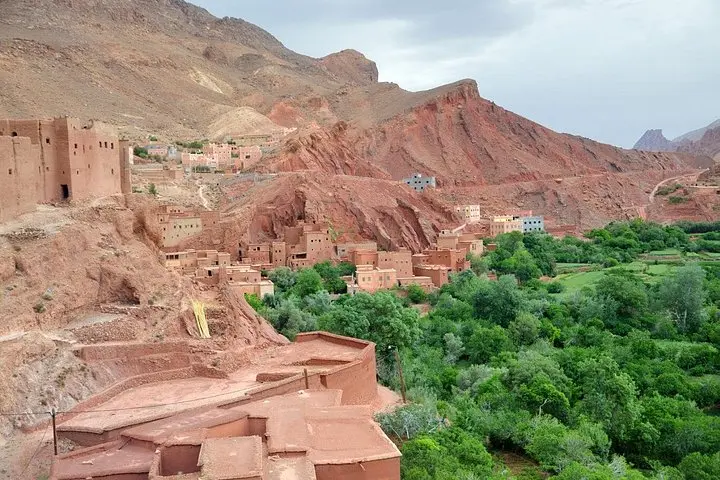
From Marrakech the route drops into ochre valleys, passes the crumbling clay towers of Telouet and the fortified kasbah of Aït Benhaddou, then follows caravan tracks east toward Ouarzazate and the river-carved Dades and Todgha gorges. Todgha’s limestone walls rise in near-vertical slabs—300 m cliffs that attract climbers—before the landscape opens to the orange seas of Erg Chebbi at Merzouga.
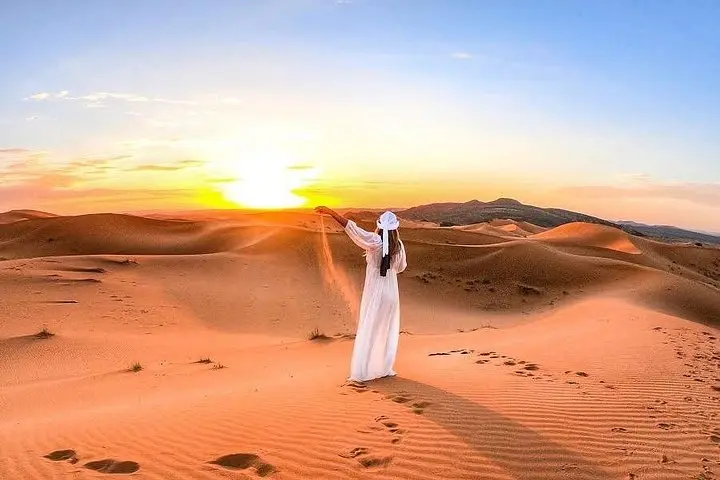
Geology here is literal: folded High Atlas ranges of Paleozoic and Mesozoic rock give way to river-cut canyons and wind-built dunes of quartz sand that can reach 100–150 m in height. Culturally, the corridor is Berber country—kasbahs, tile courtyards, and mint tea hospitality remain central to local life.
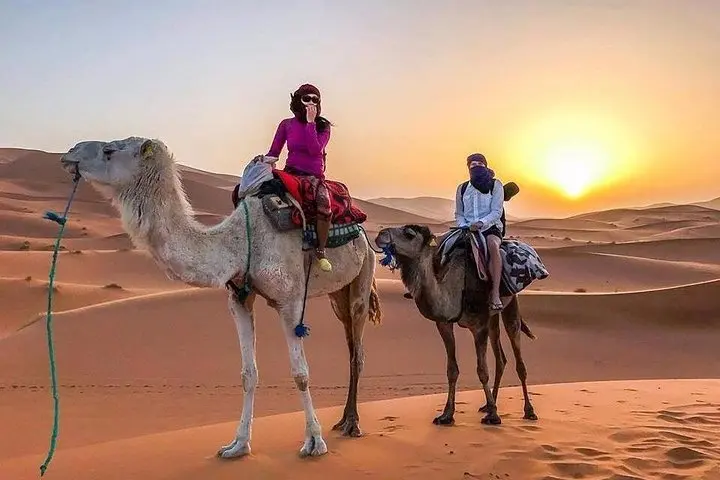
Expect long drives broken by short, active stops: canyon walks measured in kilometers, dune approaches on foot and short camel treks at sunset, and a night in a nomad-style tent beneath a wide southern sky.
Practical guidance: carry at least 2–3 liters of water, a wide-brim hat and sunscreen, and wear sturdy shoes for rocky gorges and loose sand. Travel days include sustained road time (Marrakech to Ouarzazate ~4–5 hours); desert walking involves uphill sand sections of 10–30 minutes. Temperatures swing widely—early starts are common for sunrise on the dunes. Respect private kasbah sites and local guides; stick to marked tracks to protect fragile desert crusts and fossil-rich outcrops.
Camel rides are guided and brief (sunset/sunrise legs); riders should be able to mount with assistance and handle short periods sitting in a saddle—no prior experience required.
Tizi n'Tichka reaches about 2,260 m; most travelers experience mild effects if any—stay hydrated and avoid strenuous activity immediately after the climb.
Typical nomad-style tents provide mats or low beds, blankets, and a shared toilet area; meals are often communal and locally prepared (confirm specifics with the operator).
Basic clinics exist in larger towns (Ouarzazate, Tinghir, Erfoud); travelers with medical concerns should carry medications and ensure travel insurance covers remote evacuation.
View Morocco - DMC Adventure Travel Company operates guided outdoor trips and adventures with an emphasis on safety, stewardship, and memorable experiences.
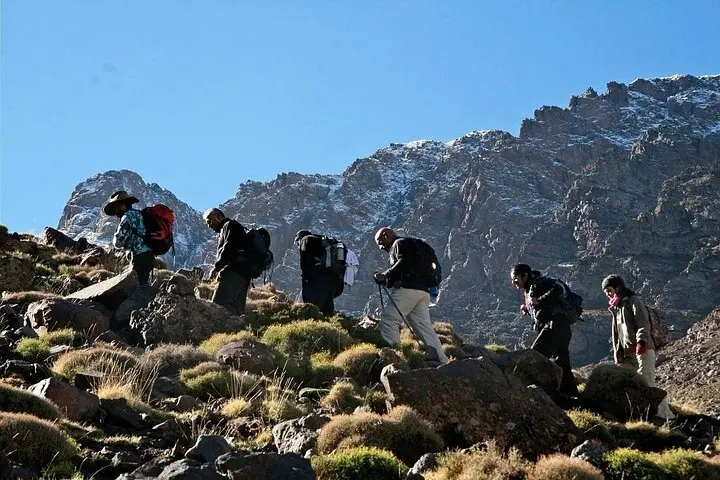
The first breath of the trip comes on the High Atlas: cold, thin air at Tizi n'Tichka (2,260 m) and a ribbon of road cutting across wind-swept scree.
The first breath of the trip comes on the High Atlas: cold, thin air at Tizi n'Tichka (2,260 m) and a ribbon of road cutting across wind-swept scree.
From Marrakech the route drops into ochre valleys, passes the crumbling clay towers of Telouet and the fortified kasbah of Aït Benhaddou, then follows caravan tracks east toward Ouarzazate and the river-carved Dades and Todgha gorges. Todgha’s limestone walls rise in near-vertical slabs—300 m cliffs that attract climbers—before the landscape opens to the orange seas of Erg Chebbi at Merzouga.
Geology here is literal: folded High Atlas ranges of Paleozoic and Mesozoic rock give way to river-cut canyons and wind-built dunes of quartz sand that can reach 100–150 m in height. Culturally, the corridor is Berber country—kasbahs, tile courtyards, and mint tea hospitality remain central to local life.
Expect long drives broken by short, active stops: canyon walks measured in kilometers, dune approaches on foot and short camel treks at sunset, and a night in a nomad-style tent beneath a wide southern sky.
Practical guidance: carry at least 2–3 liters of water, a wide-brim hat and sunscreen, and wear sturdy shoes for rocky gorges and loose sand. Travel days include sustained road time (Marrakech to Ouarzazate ~4–5 hours); desert walking involves uphill sand sections of 10–30 minutes. Temperatures swing widely—early starts are common for sunrise on the dunes. Respect private kasbah sites and local guides; stick to marked tracks to protect fragile desert crusts and fossil-rich outcrops.